
 EN
EN



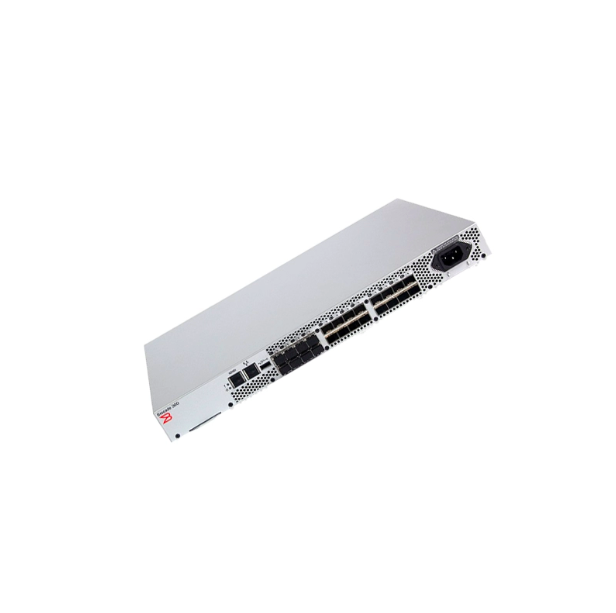
Server HDDs form the backbone of redundant storage configurations, delivering enterprise-grade reliability and performance that keeps critical business data protected and accessible. When organizations implement redundant storage systems, the choice of storage drives becomes fundamental to achieving seamless failover capabilities, maintaining data integrity, and ensuring continuous operations even when individual components fail.
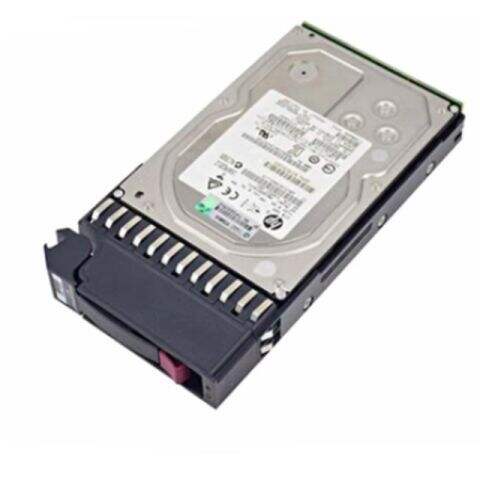
Understanding the specific advantages that server HDDs provide in redundant environments helps IT professionals make informed decisions about storage infrastructure investments. These specialized drives offer enhanced durability, superior error correction capabilities, and optimized performance characteristics that directly support the demanding requirements of fault-tolerant storage architectures.
Enhanced Reliability and Fault Tolerance
Built-in Error Correction and Recovery Mechanisms
Server HDDs incorporate advanced error correction algorithms that detect and automatically correct data corruption before it affects system performance or data integrity. These drives feature sophisticated Error Correction Code (ECC) mechanisms that identify bit-level errors and reconstruct corrupted data using redundant information stored across multiple sectors. The enhanced error detection capabilities of server HDDs significantly reduce the likelihood of silent data corruption that could compromise redundant storage arrays.
The built-in recovery mechanisms in server HDDs work continuously in the background, performing preventive maintenance operations that identify potential failure points before they cause system disruptions. These proactive error correction features complement the redundancy provided by RAID configurations, creating multiple layers of protection against data loss. Enterprise-grade server HDDs also implement advanced bad sector remapping that automatically relocates data from failing sectors to healthy spare sectors without interrupting normal operations.
Extended Mean Time Between Failures
Professional server HDDs demonstrate significantly higher Mean Time Between Failures (MTBF) ratings compared to consumer-grade drives, typically exceeding 2.5 million hours of continuous operation. This enhanced reliability translates directly into reduced maintenance requirements and lower total cost of ownership for redundant storage deployments. The extended MTBF characteristics of server HDDs ensure that redundant arrays can maintain protection levels for longer periods without requiring drive replacements.
The superior reliability metrics of server HDDs support the mathematical assumptions underlying RAID protection schemes, where the probability of simultaneous drive failures must remain extremely low to maintain data protection. Organizations implementing redundant storage configurations benefit from the predictable failure patterns and extended operational lifespans that characterize enterprise server HDDs. These reliability advantages become particularly important in large-scale deployments where hundreds or thousands of drives operate simultaneously.
Optimized Performance for Concurrent Operations
Multi-User Access Optimization
Server HDDs feature firmware optimizations specifically designed to handle multiple concurrent read and write operations efficiently, making them ideal for redundant storage environments where data must be simultaneously written to multiple drives. The command queuing capabilities in server HDDs allow the drive controller to reorder and optimize multiple pending operations, reducing seek times and improving overall throughput in multi-user environments.
These performance optimizations ensure that redundant storage systems can maintain acceptable response times even when serving multiple applications and users simultaneously. The intelligent caching algorithms in server HDDs prioritize frequently accessed data and anticipate future read requests, reducing latency for critical operations. Advanced thermal management features in server HDDs also prevent performance throttling during sustained high-activity periods common in redundant storage deployments.
Consistent Performance Under Load
Server HDDs maintain consistent performance characteristics even under heavy sustained workloads, avoiding the performance degradation that affects consumer drives during extended high-utilization periods. The robust mechanical components and enhanced cooling systems in server HDDs enable sustained operation at maximum rated speeds without thermal throttling or performance penalties. This consistent performance behavior supports the predictable operation required for effective load balancing across redundant storage arrays.
The vibration resistance features built into server HDDs prevent performance fluctuations when multiple drives operate in close proximity within storage enclosures. Enterprise server HDDs incorporate rotational vibration sensors that detect mechanical interference and automatically adjust head positioning to maintain optimal read/write accuracy. These performance stability features ensure that redundant storage configurations can deliver predictable service levels regardless of varying operational conditions.
Advanced Data Protection and Security Features
Hardware-Based Encryption Capabilities
Modern server HDDs include built-in hardware encryption engines that provide full-disk encryption without performance penalties, adding an essential security layer to redundant storage configurations. The encryption capabilities in server HDDs operate transparently to the host system, ensuring that all data stored on the drives remains protected even if drives are physically removed or stolen. These hardware-based security features complement the data protection provided by redundancy, addressing both availability and confidentiality requirements.
The self-encrypting drive (SED) features in server HDDs support secure erase operations that cryptographically destroy all data when drives are decommissioned or repurposed. This capability becomes particularly valuable in redundant storage environments where drives may need replacement or reallocation over time. Server HDDs with hardware encryption also support centralized key management systems that simplify security administration across large redundant storage deployments.
Enhanced Write Verification and Data Integrity
Server HDDs implement comprehensive write verification mechanisms that confirm successful data storage before acknowledging write completion to the host system. These verification processes include immediate read-after-write operations and cyclic redundancy checks that ensure data integrity at the hardware level. The enhanced data integrity features in server HDDs work synergistically with RAID algorithms to provide multiple verification layers that detect and correct storage errors.
The advanced servo systems in server HDDs maintain precise head positioning accuracy even in vibration-prone environments, ensuring consistent data placement and retrieval. Server HDDs also feature enhanced media certification processes that identify and map out marginal sectors before they can cause data corruption. These proactive integrity measures reduce the risk of cascading failures that could compromise redundant storage protection schemes.
Enterprise-Grade Durability and Environmental Resilience
Extended Operating Temperature Ranges
Server HDDs operate reliably across extended temperature ranges typically from 10°C to 55°C, accommodating the varying environmental conditions found in enterprise data centers and server rooms. The enhanced thermal tolerance of server HDDs ensures consistent operation even when cooling systems experience temporary fluctuations or when drives are installed in high-density configurations. This temperature resilience supports continuous operation in redundant storage arrays where maintaining availability is critical.
The thermal management features in server HDDs include advanced temperature sensors and adaptive performance algorithms that optimize operation based on ambient conditions. Server HDDs can automatically adjust their operational parameters to maintain reliability when operating near temperature limits, preventing thermal damage that could compromise redundant storage protection. These environmental adaptations ensure that server HDDs can maintain their rated performance specifications across diverse deployment scenarios.
Shock and Vibration Resistance
Enterprise server HDDs incorporate enhanced mechanical designs that withstand operational shock levels up to 70G and non-operational shock levels exceeding 300G, providing superior durability compared to standard desktop drives. The reinforced construction of server HDDs includes improved head parking mechanisms and strengthened actuator assemblies that resist damage from mechanical impacts. This enhanced durability reduces the risk of simultaneous drive failures that could compromise redundant storage protection.
The vibration resistance capabilities of server HDDs enable reliable operation in high-density storage enclosures where multiple drives create significant mechanical interference. Server HDDs feature advanced isolation systems and dampening mechanisms that minimize the impact of external vibrations on read/write accuracy. These mechanical resilience features ensure that redundant storage arrays can maintain optimal performance even in challenging physical environments.
Cost-Effective Scalability and Management
Simplified Maintenance and Replacement Procedures
Server HDDs support hot-swappable installation procedures that allow drive replacement without shutting down redundant storage systems, minimizing service interruptions during maintenance operations. The standardized form factors and interface specifications of server HDDs ensure compatibility across diverse storage platforms, simplifying inventory management and reducing procurement costs. These operational advantages translate into lower total cost of ownership for organizations implementing large-scale redundant storage infrastructure.
The predictive failure analysis capabilities built into server HDDs provide early warning indicators that allow administrators to schedule proactive drive replacements before failures occur. Server HDDs report detailed health metrics through SMART (Self-Monitoring, Analysis, and Reporting Technology) systems that integrate with storage management software for automated monitoring. These management features enable efficient capacity planning and maintenance scheduling for redundant storage deployments.
Long-Term Availability and Support
Enterprise server HDDs typically receive extended warranty coverage and long-term availability commitments from manufacturers, ensuring consistent replacement part availability throughout the operational lifecycle of redundant storage systems. The extended support timelines for server HDDs align with the multi-year depreciation schedules common in enterprise IT environments, reducing the risk of forced infrastructure upgrades due to component obsolescence.
The stable product roadmaps for server HDDs provide predictable upgrade paths that support long-term capacity expansion planning for redundant storage environments. Manufacturers typically maintain backward compatibility across server HDD generations, allowing organizations to incrementally upgrade storage capacity without requiring complete system replacements. These lifecycle management advantages help organizations maximize their investment returns from redundant storage infrastructure.
FAQ
How do server HDDs improve the reliability of RAID configurations?
Server HDDs enhance RAID reliability through superior error correction capabilities, extended MTBF ratings, and proactive failure prediction features that reduce the probability of simultaneous drive failures. The enhanced durability and consistent performance characteristics of server HDDs support the mathematical assumptions underlying RAID protection schemes, ensuring that redundant arrays can maintain data protection levels over extended operational periods.
What performance advantages do server HDDs provide in redundant storage systems?
Server HDDs offer optimized firmware for concurrent operations, consistent performance under load, and advanced command queuing capabilities that improve throughput in multi-user environments. These performance features enable redundant storage systems to maintain acceptable response times while simultaneously serving multiple applications and managing the overhead associated with maintaining data redundancy across multiple drives.
Are server HDDs more expensive than standard drives, and do they justify the cost?
While server HDDs typically carry higher initial purchase prices than consumer drives, they provide superior total cost of ownership through extended warranties, predictable failure patterns, and reduced maintenance requirements. The enhanced reliability and performance characteristics of server HDDs reduce operational costs and minimize business disruption risks, making them cost-effective for enterprise redundant storage deployments.
Can consumer HDDs be used effectively in redundant storage configurations?
Consumer HDDs lack the enterprise-grade features necessary for reliable operation in redundant storage environments, including advanced error correction, vibration resistance, and thermal management capabilities. While consumer drives may function temporarily in redundant configurations, they increase the risk of simultaneous failures and performance degradation that can compromise data protection and system availability in business-critical applications.
Table of Contents
- Enhanced Reliability and Fault Tolerance
- Optimized Performance for Concurrent Operations
- Advanced Data Protection and Security Features
- Enterprise-Grade Durability and Environmental Resilience
- Cost-Effective Scalability and Management
-
FAQ
- How do server HDDs improve the reliability of RAID configurations?
- What performance advantages do server HDDs provide in redundant storage systems?
- Are server HDDs more expensive than standard drives, and do they justify the cost?
- Can consumer HDDs be used effectively in redundant storage configurations?