
 EN
EN



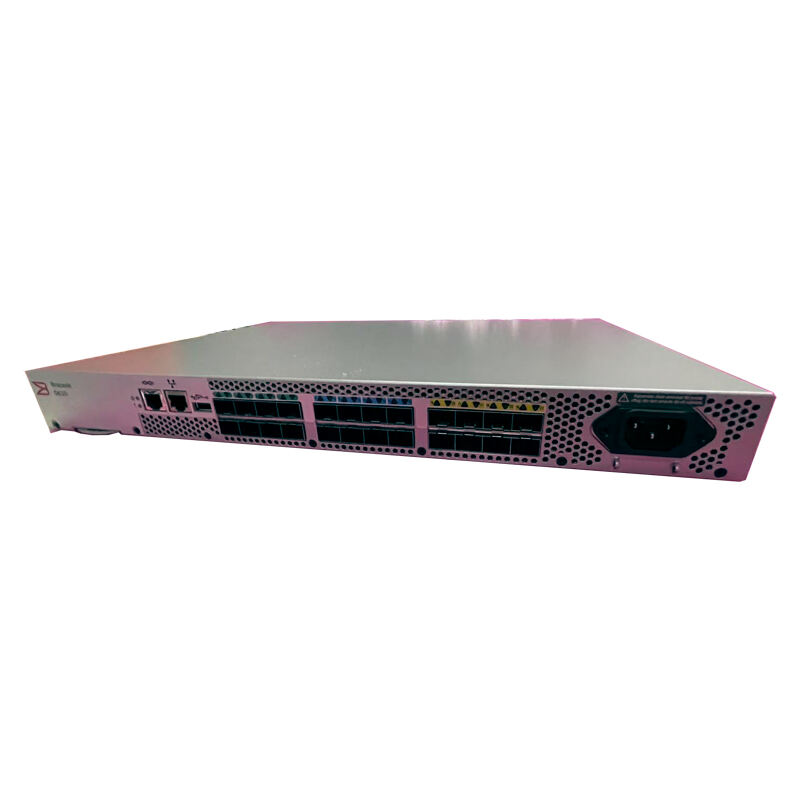
HPE servers deliver scalable solutions for virtualization and cloud computing through advanced hardware architectures, intelligent resource management, and flexible deployment options that adapt to growing business demands. These enterprise-grade systems combine high-performance processors, expandable memory configurations, and software-defined capabilities to create virtualized environments that can scale seamlessly from small workloads to massive cloud infrastructures.
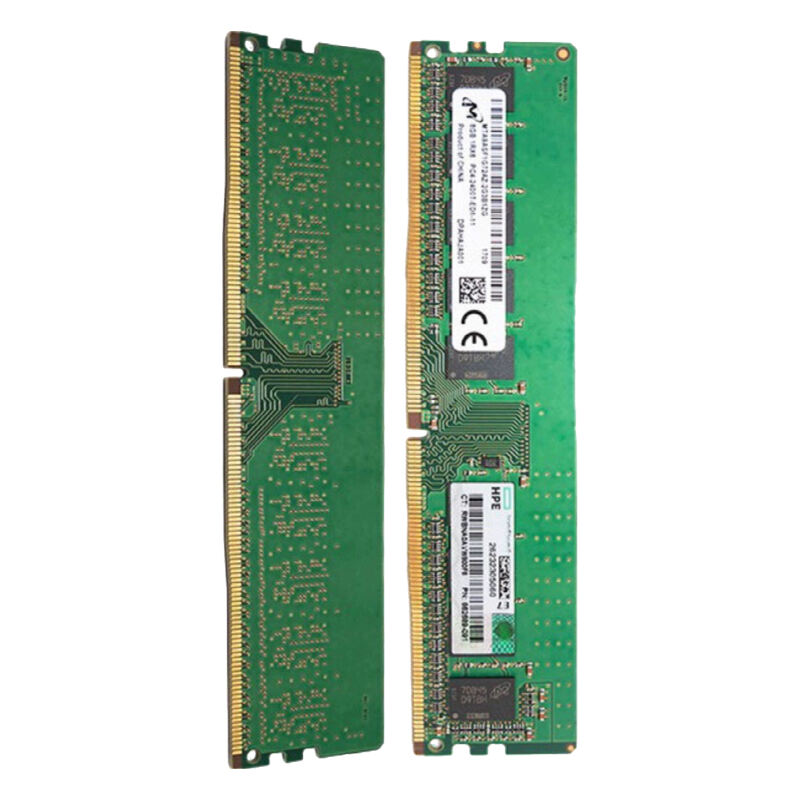
The scalability mechanisms within HPE servers operate through multiple integrated layers including processor scaling, memory expansion, storage flexibility, and network adaptability. This comprehensive approach enables organizations to start with modest virtualization requirements and progressively expand their infrastructure as cloud computing needs evolve, ensuring consistent performance and resource availability throughout the scaling process.
Core Scalability Architecture in HPE Server Systems
Processor and Compute Scaling Mechanisms
HPE servers implement scalable compute architectures through multi-socket processor designs that allow organizations to increase processing power incrementally. The server platforms support various Intel Xeon and AMD EPYC processors, enabling businesses to select appropriate compute density based on virtualization workload requirements and scale up by adding processors or upgrading to higher-core-count models as demands increase.
These systems utilize advanced processor interconnect technologies that maintain consistent performance characteristics even as compute resources expand. The scaling methodology ensures that virtual machines and containerized applications continue operating efficiently regardless of the underlying processor configuration changes, providing transparent scalability for cloud computing environments.
Resource allocation algorithms within HPE servers dynamically distribute computing tasks across available processor cores, optimizing utilization rates and preventing performance bottlenecks during scale-up operations. This intelligent workload distribution ensures that virtualization platforms can accommodate increased virtual machine density without compromising individual VM performance or system stability.
Memory Expansion and Management Capabilities
Memory scalability represents a critical component of HPE servers' virtualization capabilities, with systems supporting substantial RAM configurations that can grow from basic requirements to enterprise-scale deployments. The servers accommodate various memory technologies including DDR4 and DDR5 modules, allowing organizations to optimize memory performance while maintaining expansion flexibility for future growth.
Advanced memory management features within HPE servers include error correction, memory mirroring, and intelligent provisioning that ensures reliable operation as memory capacity increases. These capabilities are particularly important for virtualization environments where multiple virtual machines share physical memory resources and require consistent access to allocated memory pools.
The memory architecture supports both scale-up and scale-out scenarios, enabling organizations to add memory modules to individual servers or distribute memory resources across clustered server configurations. This flexibility allows cloud computing infrastructures to adapt memory resources based on application requirements and virtual machine memory consumption patterns without requiring complete system redesigns.
Virtualization Platform Integration and Optimization
Hypervisor Compatibility and Performance Enhancement
HPE servers provide comprehensive support for major virtualization platforms including VMware vSphere, Microsoft Hyper-V, and open-source hypervisors like KVM and Xen. This broad compatibility ensures that organizations can select virtualization software based on technical requirements and business preferences while maintaining confidence in underlying hardware scalability and performance optimization.
Hardware-assisted virtualization features built into HPE servers enhance hypervisor efficiency through processor virtualization extensions, memory virtualization support, and I/O virtualization capabilities. These features reduce virtualization overhead and improve virtual machine performance, enabling higher VM density per physical server and more efficient resource utilization across scaled virtualization deployments.
Performance monitoring and optimization tools integrated with HPE servers provide real-time visibility into virtualization resource consumption, enabling administrators to identify scaling opportunities and potential bottlenecks before they impact virtual machine performance. This proactive monitoring capability supports effective capacity planning and ensures smooth scaling operations as virtualization requirements grow.
Container Orchestration and Microservices Support
Modern HPE servers support containerized applications and microservices architectures that form the foundation of contemporary cloud computing platforms. The hardware optimization features specifically target container workloads, providing enhanced networking performance, storage efficiency, and resource isolation that enable containers to scale effectively across server clusters.
Kubernetes and Docker orchestration platforms operate efficiently on HPE servers through optimized networking capabilities, persistent storage integration, and compute resource management that supports dynamic container scaling. These capabilities enable organizations to implement cloud-native applications that can automatically scale based on demand while maintaining performance consistency across the infrastructure.
The server platforms include specialized features for microservices deployment including network virtualization, service mesh support, and distributed storage capabilities that enable complex application architectures to scale seamlessly. This infrastructure foundation supports modern cloud computing patterns including auto-scaling, load balancing, and distributed application deployment across multiple server nodes.
Storage and Networking Scalability Features
Storage Architecture and Expansion Options
HPE servers implement flexible storage architectures that accommodate various scaling scenarios from local storage expansion to distributed storage networks. The systems support multiple storage interfaces including SATA, SAS, NVMe, and fabric-attached storage options, enabling organizations to optimize storage performance and capacity based on virtualization and cloud computing requirements.
Software-defined storage capabilities within HPE servers enable storage resources to scale independently of compute resources, supporting storage scaling scenarios where virtualization environments require additional capacity without necessarily increasing processing power. This separation allows for more cost-effective scaling strategies and better resource optimization across virtualized infrastructures.
The storage scaling mechanisms include support for storage tiering, automated data placement, and distributed storage clustering that enable storage resources to grow seamlessly as cloud computing demands increase. These features ensure that virtual machines and containerized applications maintain consistent storage performance regardless of underlying storage configuration changes or capacity expansions.
Network Infrastructure and Connectivity Scaling
Network scalability within HPE servers supports growing virtualization and cloud computing requirements through multiple high-speed network interfaces, advanced networking protocols, and software-defined networking capabilities. The systems accommodate various network speeds from 1GbE to 100GbE and beyond, ensuring that network performance scales appropriately with compute and storage resources.
Virtual networking capabilities built into HPE servers support complex network topologies required for scaled virtualization deployments including VLANs, overlay networks, and network function virtualization. These capabilities enable virtual machines and containers to maintain network connectivity and security isolation even as the underlying physical infrastructure scales across multiple servers and network segments.
Network resource allocation and quality of service features ensure that critical virtualization traffic maintains priority during scaling operations, preventing network congestion from impacting virtual machine performance or cloud application availability. This intelligent network management supports reliable scaling operations and maintains consistent user experience during infrastructure expansion periods.
Management and Orchestration Capabilities
Centralized Infrastructure Management
HPE servers integrate with comprehensive management platforms that provide centralized control over scaled virtualization and cloud computing environments. These management tools enable administrators to monitor resource utilization, plan capacity expansions, and execute scaling operations across multiple servers through unified interfaces that simplify complex infrastructure management tasks.
Automated provisioning capabilities within HPE server management systems accelerate the deployment of new virtual machines, containers, and cloud services as scaling requirements emerge. These automation features reduce manual configuration overhead and ensure consistent deployment standards across expanded infrastructure, supporting rapid response to changing business demands.
Integration with popular infrastructure orchestration tools including Ansible, Terraform, and cloud management platforms enables HPE servers to participate in larger automation frameworks that coordinate scaling operations across hybrid cloud environments. This integration capability supports complex scaling scenarios that involve multiple infrastructure components and cloud service providers.
Performance Monitoring and Capacity Planning
Advanced monitoring capabilities within HPE servers provide detailed insights into resource consumption patterns, performance trends, and capacity utilization that inform effective scaling decisions. These monitoring systems track processor utilization, memory consumption, storage performance, and network throughput to identify optimal scaling timing and resource allocation strategies.
Predictive analytics features integrated with HPE servers analyze historical performance data to forecast future scaling requirements, enabling proactive capacity planning that prevents performance degradation during demand spikes. This predictive capability supports better budgeting and resource allocation planning for growing virtualization and cloud computing environments.
The monitoring and analytics platforms provide actionable recommendations for scaling operations including suggested hardware configurations, resource allocation adjustments, and performance optimization opportunities. These recommendations help organizations make informed decisions about infrastructure investments and scaling strategies that align with business objectives and technical requirements.
FAQ
What makes HPE servers particularly suitable for virtualization scaling compared to other server platforms?
HPE servers offer specialized virtualization optimization features including hardware-assisted virtualization support, advanced memory management capabilities, and integrated management tools specifically designed for virtualized environments. The combination of flexible hardware architectures, comprehensive hypervisor support, and intelligent resource allocation mechanisms enables HPE servers to scale virtualization workloads more efficiently than generic server platforms while maintaining consistent performance across scaling operations.
How do HPE servers handle the transition from virtualization to cloud computing architectures?
HPE servers support seamless transitions from traditional virtualization to cloud computing through hybrid deployment capabilities that accommodate both virtual machines and containerized applications on the same hardware platform. The servers include features for container orchestration, microservices support, and cloud-native networking that enable organizations to migrate applications gradually while maintaining existing virtualized workloads, ensuring continuity during architectural transitions.
What are the typical scaling limits for virtualization environments on HPE servers?
HPE servers can scale virtualization environments from small deployments with dozens of virtual machines to enterprise-scale implementations supporting thousands of VMs across clustered configurations. The specific scaling limits depend on the server model, processor configuration, memory capacity, and storage architecture, but enterprise-grade HPE servers typically support hundreds of virtual machines per physical server while maintaining performance standards through advanced resource management and optimization features.
How do HPE servers ensure performance consistency during scaling operations?
HPE servers maintain performance consistency during scaling through intelligent workload distribution algorithms, dynamic resource allocation mechanisms, and advanced quality of service features that prioritize critical applications during infrastructure changes. The systems include performance monitoring capabilities that detect potential bottlenecks before they impact operations, while automated load balancing ensures that new resources are integrated smoothly without disrupting existing virtual machines or cloud services.
Table of Contents
- Core Scalability Architecture in HPE Server Systems
- Virtualization Platform Integration and Optimization
- Storage and Networking Scalability Features
- Management and Orchestration Capabilities
-
FAQ
- What makes HPE servers particularly suitable for virtualization scaling compared to other server platforms?
- How do HPE servers handle the transition from virtualization to cloud computing architectures?
- What are the typical scaling limits for virtualization environments on HPE servers?
- How do HPE servers ensure performance consistency during scaling operations?