DDR5 Registered Memory: Next-Generation Performance and Reliability for Enterprise Computing

Get a Free Quote

Our representative will contact you soon.
Email
Phone/WhatsApp/WeChat
Name
Company Name
Message
0/1000

ddr5 registered memory

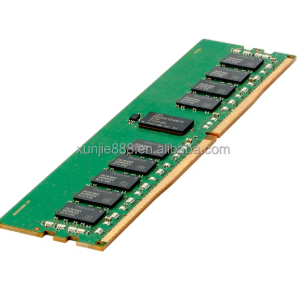
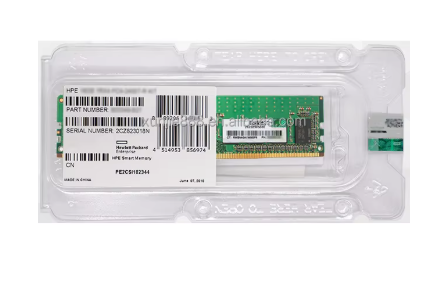
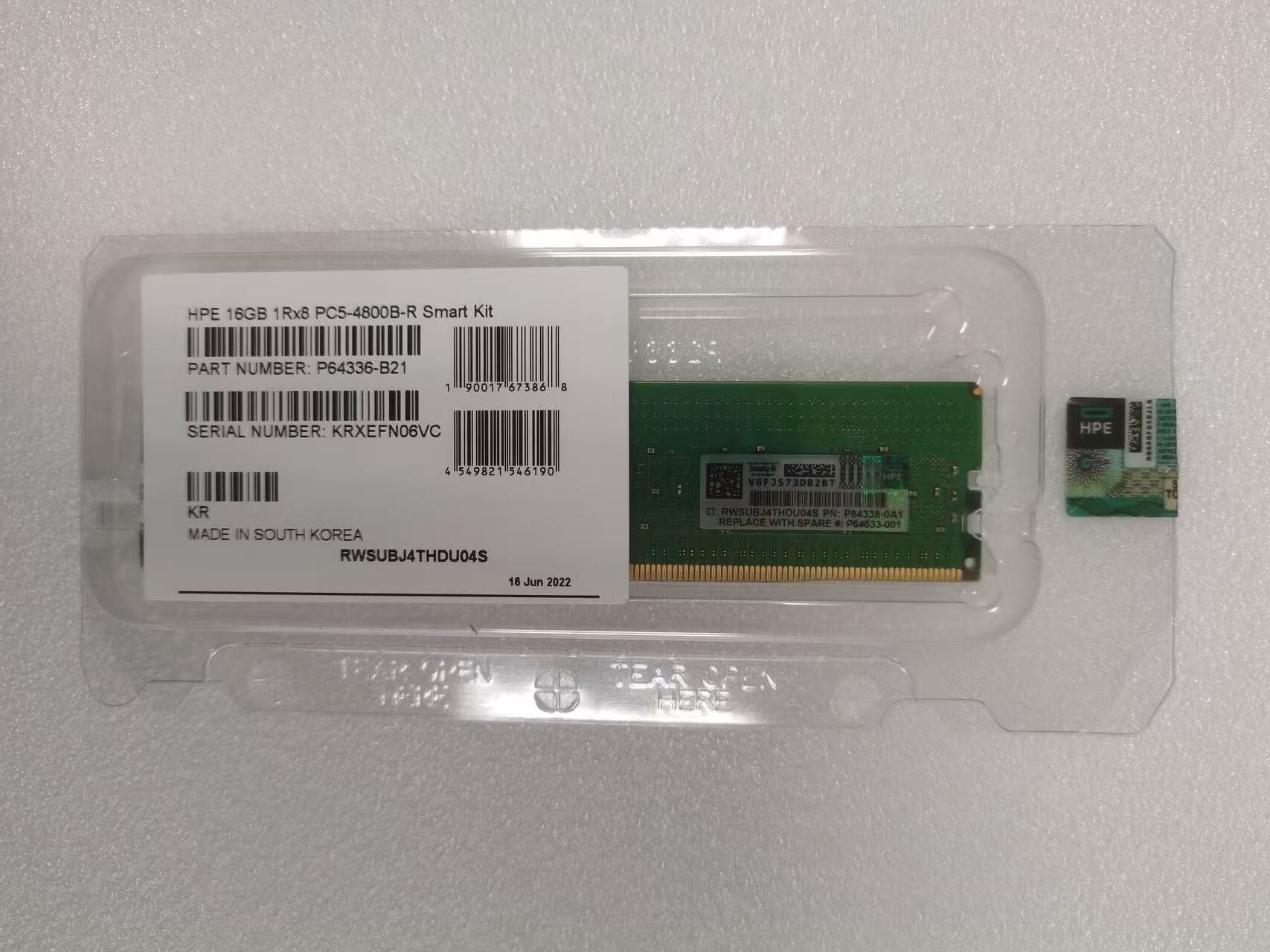
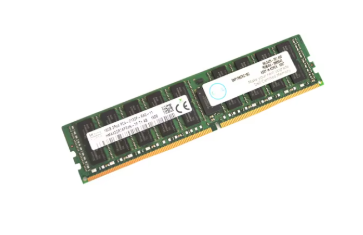
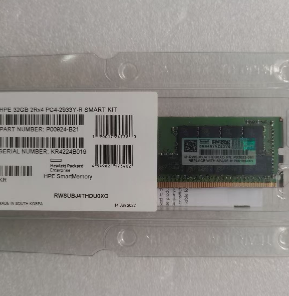
DDR5 registered memory represents a significant advancement in computer memory technology, offering unprecedented performance and reliability for enterprise systems and data centers. This cutting-edge memory architecture incorporates an advanced register between the memory controller and DRAM chips, effectively managing command and address signals for improved stability. Operating at base speeds starting from 4800 MT/s and scaling up to 8400 MT/s, DDR5 registered memory delivers double the bandwidth of its DDR4 predecessor. The technology features enhanced error correction capabilities through on-die ECC, along with decision feedback equalization, which ensures data integrity even at higher speeds. Each memory module operates with two independent 40-bit channels, enabling more efficient parallel processing and improved memory access patterns. The power management has been moved onto the module itself, with a voltage reduction from 1.2V to 1.1V, contributing to better energy efficiency and thermal performance. These modules are specifically designed for high-performance computing environments, supporting mission-critical applications where reliability and performance are paramount.
Popular Products

DDR5 registered memory offers several compelling advantages that make it an essential component for modern computing systems. First, its significantly increased bandwidth capabilities enable faster data transfer rates, allowing systems to handle more demanding workloads efficiently. The improved power management system, featuring integrated voltage regulation, results in more stable operation and reduced system complexity. This architecture provides better signal integrity and allows for higher memory densities, supporting up to 512GB per module. The dual-channel architecture effectively doubles the memory access capabilities, enabling simultaneous read and write operations that significantly enhance overall system performance. Enhanced reliability features, including advanced error detection and correction mechanisms, ensure data integrity in critical applications. The reduced operating voltage of 1.1V contributes to lower power consumption while maintaining higher performance levels. The technology also supports on-die termination and command/address latching, which improves signal quality and enables higher operating frequencies. For data centers and enterprise environments, these advantages translate into improved server performance, enhanced system reliability, and better energy efficiency. The scalability of DDR5 registered memory allows for future performance improvements through higher speed grades, making it a future-proof investment for growing computing needs. Additionally, the technology's advanced thermal management capabilities help maintain optimal operating temperatures, even under heavy workloads.

Tips And Tricks

DDR4 Memory: The Ultimate Guide to Boosting Your Server Performance

27

Jun

DDR4 Memory: The Ultimate Guide to Boosting Your Server Performance

View More
Unlocking the Potential of DDR4 Memory for Modern Data Centers

27

Jun

Unlocking the Potential of DDR4 Memory for Modern Data Centers

View More
How DDR4 Memory Enhances Server Efficiency and Reliability

27

Jun

How DDR4 Memory Enhances Server Efficiency and Reliability

View More
Top 5 Benefits of DDR4 Memory for Your Server Infrastructure

27

Jun

Top 5 Benefits of DDR4 Memory for Your Server Infrastructure

View More

Get a Free Quote

Our representative will contact you soon.
Email
Phone/WhatsApp/WeChat
Name
Company Name
Message
0/1000

ddr5 registered memory

Superior Performance Architecture

Superior Performance Architecture

DDR5 registered memory introduces a revolutionary performance architecture that fundamentally transforms data handling capabilities. The implementation of dual 40-bit channels per module effectively doubles the available bandwidth compared to previous generations, enabling simultaneous read and write operations that significantly reduce memory access bottlenecks. This architecture is complemented by advanced decision feedback equalization, which maintains signal integrity at higher frequencies, allowing for reliable operation at speeds exceeding 4800 MT/s. The same channel architecture supports burst lengths of 16 bits, twice that of DDR4, resulting in more efficient data transfers and improved system performance. This enhanced design particularly benefits applications requiring high memory bandwidth, such as artificial intelligence, machine learning, and large-scale data analytics.
Advanced Reliability Features

Advanced Reliability Features

The reliability features integrated into DDR5 registered memory represent a significant advancement in data integrity protection. The implementation of on-die ECC provides an additional layer of error detection and correction directly at the DRAM level, before data reaches the system's ECC mechanisms. This dual-layer error protection approach significantly reduces the likelihood of data corruption and system crashes. The registered buffer chip manages command and address signals more effectively, reducing signal integrity issues and enabling more stable operation at higher frequencies. These reliability features are particularly crucial for enterprise environments where data integrity is paramount, ensuring continuous operation of critical systems and minimizing potential downtime due to memory-related issues.
Efficient Power Management

Efficient Power Management

DDR5 registered memory incorporates a sophisticated power management system that revolutionizes how memory modules handle power distribution. The integration of voltage regulation directly onto the memory module represents a significant advancement over previous generations, where voltage regulation was handled by the motherboard. This on-module power management enables more precise voltage control and better power delivery, resulting in improved stability and reduced noise. The reduction in operating voltage to 1.1V, combined with intelligent power management features, leads to significant improvements in energy efficiency. This is particularly beneficial for data centers and large-scale computing environments, where power consumption and thermal management are critical considerations for operational costs and system reliability.

Get a Free Quote

Our representative will contact you soon.
Email
Phone/WhatsApp/WeChat
Name
Company Name
Message
0/1000