
 EN
EN



Enterprise organizations face unprecedented demands for server infrastructure that can grow seamlessly with their business needs. The challenge lies in finding server solutions that not only meet current requirements but can efficiently scale to handle future workloads without compromising performance or increasing complexity. HPE servers have emerged as a leading solution for organizations seeking to build scalable infrastructure that adapts to changing business demands while maintaining optimal performance and cost-effectiveness.
Understanding how HPE servers improve scalability requires examining the fundamental architecture and design principles that enable these systems to grow efficiently. From modular hardware design to intelligent management software, HPE servers provide multiple pathways for scaling server infrastructure both vertically and horizontally. This comprehensive approach ensures that organizations can respond quickly to increased demand while maintaining system stability and operational efficiency throughout the scaling process.
Architectural Foundation for Scalability
Modular Server Design Philosophy
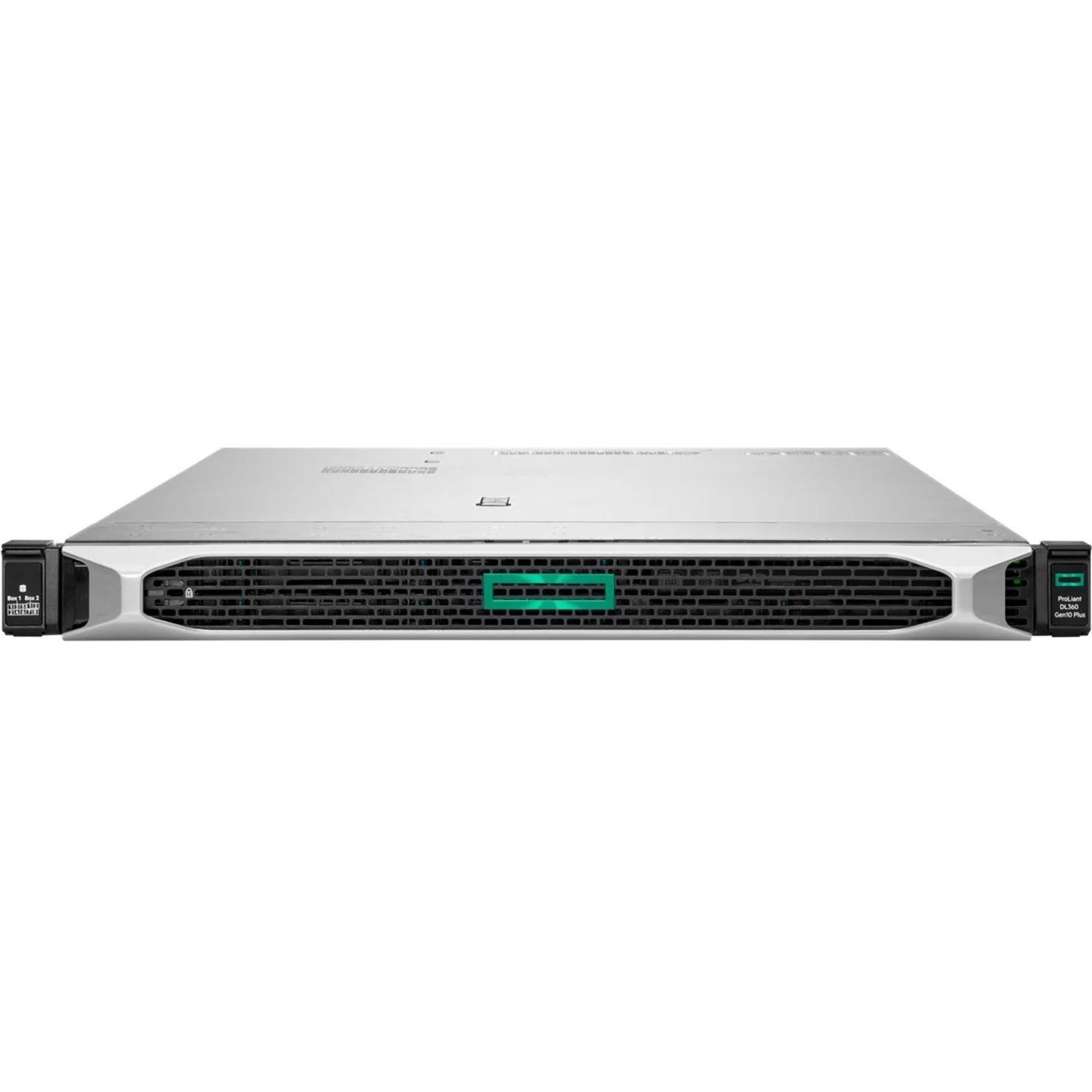
HPE servers are built with modularity at their core, enabling organizations to scale their infrastructure incrementally rather than requiring complete system replacements. This modular approach allows businesses to add processing power, memory, and storage capacity as needed without disrupting existing operations. The design philosophy behind HPE servers emphasizes component-level scalability, where individual elements can be upgraded or expanded independently to meet specific performance requirements.
The modular architecture of HPE servers extends beyond hardware components to include software and management layers. This comprehensive modularity ensures that scaling decisions can be made at the appropriate level for each specific use case. Whether organizations need additional compute capacity, expanded memory resources, or enhanced storage capabilities, HPE servers provide the flexibility to scale precisely where needed without over-provisioning other resources.
This architectural approach significantly reduces the complexity typically associated with infrastructure scaling. Instead of managing disparate systems with different interfaces and management tools, organizations can maintain consistency across their scaled environment. The uniform architecture of HPE servers ensures that operational procedures, monitoring systems, and maintenance protocols remain consistent regardless of infrastructure size.
Industry-Standard Architecture Benefits
HPE servers leverage industry-standard x86 architecture to provide maximum compatibility and scalability options. This standardized approach ensures that organizations can integrate new HPE servers seamlessly with existing infrastructure components while maintaining full compatibility with current applications and software stacks. The use of industry standards eliminates vendor lock-in concerns and provides flexibility in scaling strategies.
The commitment to industry standards in HPE servers extends to networking protocols, storage interfaces, and management APIs. This standardization enables organizations to scale their infrastructure using best-of-breed components while maintaining system coherence. The result is a scalable architecture that supports diverse technology requirements without compromising integration capabilities or operational efficiency.
Industry-standard architecture also facilitates the adoption of emerging technologies as they become available. HPE servers can incorporate new processors, memory technologies, and connectivity options as they reach market maturity. This forward-compatibility ensures that scaling investments remain viable over extended periods and can accommodate future technological advances without requiring fundamental architectural changes.
Memory and Processing Scalability Features
Advanced Memory Expansion Capabilities
Memory scalability represents one of the most critical aspects of server infrastructure growth, and HPE servers excel in providing flexible memory expansion options. These systems support high-capacity memory configurations that can be expanded incrementally as application demands increase. The memory architecture in HPE servers is designed to accommodate both current workloads and future growth requirements without performance penalties.
HPE servers support advanced memory technologies including DDR5 modules that provide enhanced bandwidth and capacity options. The HPE servers memory subsystem is optimized to deliver consistent performance across different memory configurations, ensuring that scaling memory capacity does not introduce bottlenecks or reduce system efficiency. This optimization is particularly important for memory-intensive applications that require both high capacity and sustained performance.
The memory expansion capabilities of HPE servers include support for registered and load-reduced memory modules, providing options for different capacity and performance requirements. This flexibility allows organizations to optimize their memory configurations based on specific application characteristics and budget considerations. The ability to mix different memory types within supported configurations provides additional scaling flexibility for diverse workload requirements.
Multi-Socket Processing Architecture
Processing scalability in HPE servers is enabled through multi-socket architectures that support incremental processor additions as computational demands increase. This design allows organizations to start with single-socket configurations and expand to dual-socket or quad-socket systems as processing requirements grow. The multi-socket architecture maintains cache coherency and memory access optimization across all processor configurations.
The processing architecture of HPE servers is optimized for both single-threaded and multi-threaded workloads, ensuring that performance scaling is effective across diverse application types. Advanced processor interconnect technologies ensure that communication between multiple processors remains efficient even as the number of sockets increases. This optimization prevents the performance degradation that can occur in poorly designed multi-socket systems.
HPE servers also support heterogeneous processing configurations where different processor types can be deployed within the same system architecture. This capability enables organizations to optimize their processing resources for specific workload characteristics while maintaining system coherence. The flexibility to mix processor types provides additional scaling options for organizations with diverse computational requirements.
Storage and I/O Scaling Solutions
Flexible Storage Architecture
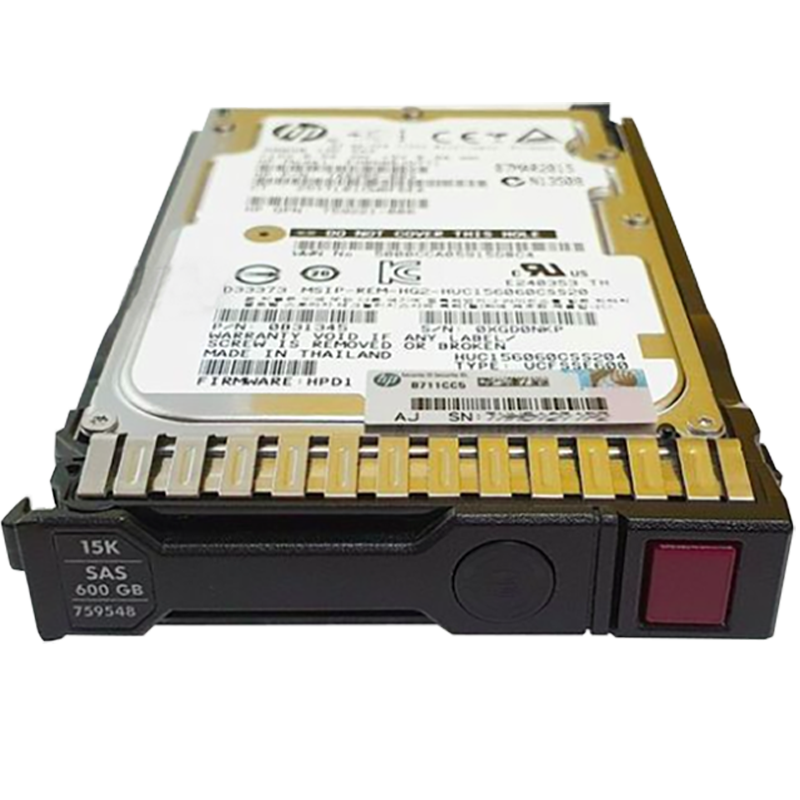
Storage scalability in HPE servers encompasses both internal storage expansion and external storage connectivity options. The internal storage architecture supports multiple drive bays that can accommodate different storage technologies including traditional hard drives, solid-state drives, and NVMe modules. This flexibility allows organizations to optimize their storage configurations for capacity, performance, or cost requirements as they scale their infrastructure.
HPE servers provide comprehensive storage controller options that support RAID configurations, hardware acceleration, and advanced storage features. These controllers are designed to scale efficiently as storage capacity increases, maintaining consistent performance and data protection capabilities. The storage subsystem architecture ensures that scaling storage capacity does not introduce single points of failure or performance bottlenecks that could impact overall system reliability.
External storage connectivity options in HPE servers include support for SAN, NAS, and direct-attached storage systems. The high-bandwidth interconnects supported by these systems enable efficient scaling to external storage resources without compromising performance. This external connectivity provides virtually unlimited storage scaling potential while maintaining the performance characteristics required for enterprise applications.
Advanced I/O Expansion Framework
Input/output scalability is crucial for maintaining system performance as infrastructure grows, and HPE servers provide extensive I/O expansion capabilities through PCIe slots and integrated connectivity options. The I/O architecture supports high-bandwidth networking, storage connectivity, and specialized accelerator cards that enable performance scaling across different application types.
HPE servers incorporate the latest PCIe generations to ensure maximum bandwidth availability for expansion cards and integrated components. This high-bandwidth I/O architecture prevents bottlenecks that could limit scaling effectiveness and ensures that additional components can be integrated without compromising existing system performance. The I/O framework is designed to support both current and future expansion requirements.
Network connectivity scaling is supported through multiple integrated network interfaces and expansion slot options for additional network cards. HPE servers can accommodate high-speed Ethernet, InfiniBand, and other networking technologies to support diverse connectivity requirements. The network architecture scales efficiently to support increased bandwidth demands as infrastructure grows and application requirements evolve.
Management and Automation for Scale
Centralized Management Capabilities
Effective infrastructure scaling requires robust management tools that can handle increased complexity without proportional increases in administrative overhead. HPE servers include integrated management processors that provide comprehensive monitoring, configuration, and control capabilities across scaled environments. These management systems enable administrators to maintain operational efficiency even as infrastructure size increases significantly.
The management framework in HPE servers supports both individual server management and fleet-level operations through centralized management platforms. This capability ensures that scaling infrastructure does not result in management complexity that could offset the benefits of increased capacity. Administrators can maintain consistent operational procedures and monitoring protocols across servers of different generations and configurations.
HPE servers integrate with enterprise management ecosystems including cloud management platforms, configuration management tools, and monitoring systems. This integration ensures that scaled infrastructure can be managed using existing operational frameworks and does not require specialized management approaches. The compatibility with standard management protocols enables seamless integration with automated provisioning and configuration systems.
Intelligent Automation Features
Automation capabilities in HPE servers reduce the operational burden associated with infrastructure scaling by providing self-configuring and self-healing capabilities. These intelligent systems can automatically adjust configurations based on workload requirements and can detect and resolve many common issues without manual intervention. The automation features become increasingly valuable as infrastructure scale increases and manual management becomes impractical.
HPE servers support policy-based automation that enables organizations to define scaling behaviors and operational parameters that are automatically enforced across the infrastructure. This capability ensures consistent configurations and behaviors as new servers are added to the environment. The policy framework supports both performance optimization and compliance requirements that are essential in scaled enterprise environments.
The automation capabilities extend to capacity planning and resource optimization, helping organizations make informed scaling decisions based on actual usage patterns and performance metrics. HPE servers provide detailed telemetry and analytics that support predictive scaling strategies and resource optimization initiatives. This data-driven approach to scaling ensures that infrastructure investments are aligned with actual business requirements.
FAQ
Can HPE servers scale both vertically and horizontally?
Yes, HPE servers support both vertical scaling through component upgrades within individual servers and horizontal scaling through the addition of multiple servers to the infrastructure. The modular architecture enables organizations to choose the most appropriate scaling approach based on their specific requirements and budget considerations. Both scaling methods maintain system coherence and management consistency.
What memory capacity limits should I consider when planning HPE server scalability?
HPE servers support memory capacities ranging from basic configurations to several terabytes per server, depending on the specific model and processor architecture. The memory architecture supports incremental expansion through additional memory modules, and the system can accommodate different memory types and speeds within supported configurations. Planning should consider both current requirements and projected growth to optimize scaling investments.
How do HPE servers maintain performance consistency during scaling operations?
HPE servers maintain performance consistency through optimized architectures that prevent bottlenecks in memory, I/O, and processing subsystems. The systems include intelligent resource management capabilities that automatically adjust configurations to maintain optimal performance as components are added or upgraded. Load balancing and resource allocation features ensure that scaling operations do not negatively impact running applications.
What management tools are included to support large-scale HPE server deployments?
HPE servers include integrated Lights-Out management processors and support centralized management platforms that can handle large server fleets efficiently. These tools provide comprehensive monitoring, configuration management, firmware updates, and automated provisioning capabilities. The management framework scales effectively to support hundreds or thousands of servers while maintaining operational efficiency and reducing administrative overhead.
Table of Contents
- Architectural Foundation for Scalability
- Memory and Processing Scalability Features
- Storage and I/O Scaling Solutions
- Management and Automation for Scale
-
FAQ
- Can HPE servers scale both vertically and horizontally?
- What memory capacity limits should I consider when planning HPE server scalability?
- How do HPE servers maintain performance consistency during scaling operations?
- What management tools are included to support large-scale HPE server deployments?