
 EN
EN



Modern data centers require robust, reliable, and scalable infrastructure solutions that can handle increasingly complex workloads while maintaining operational efficiency. Among the various server technologies available, HPE servers have established themselves as critical components that support the fundamental operations of contemporary data center environments. The question of why these servers hold such a pivotal position in modern infrastructure design stems from their comprehensive approach to addressing the evolving challenges faced by enterprise IT operations, cloud service providers, and large-scale computing environments.
The backbone metaphor accurately represents how HPE servers function within data center ecosystems, providing the structural foundation that enables all other technological components to operate effectively. This foundational role encompasses not only raw computational power but also the integration capabilities, management features, and reliability standards that modern data centers demand. Understanding the specific reasons behind this backbone status requires examining the technical innovations, architectural advantages, and operational benefits that distinguish these server solutions in today's competitive infrastructure landscape.
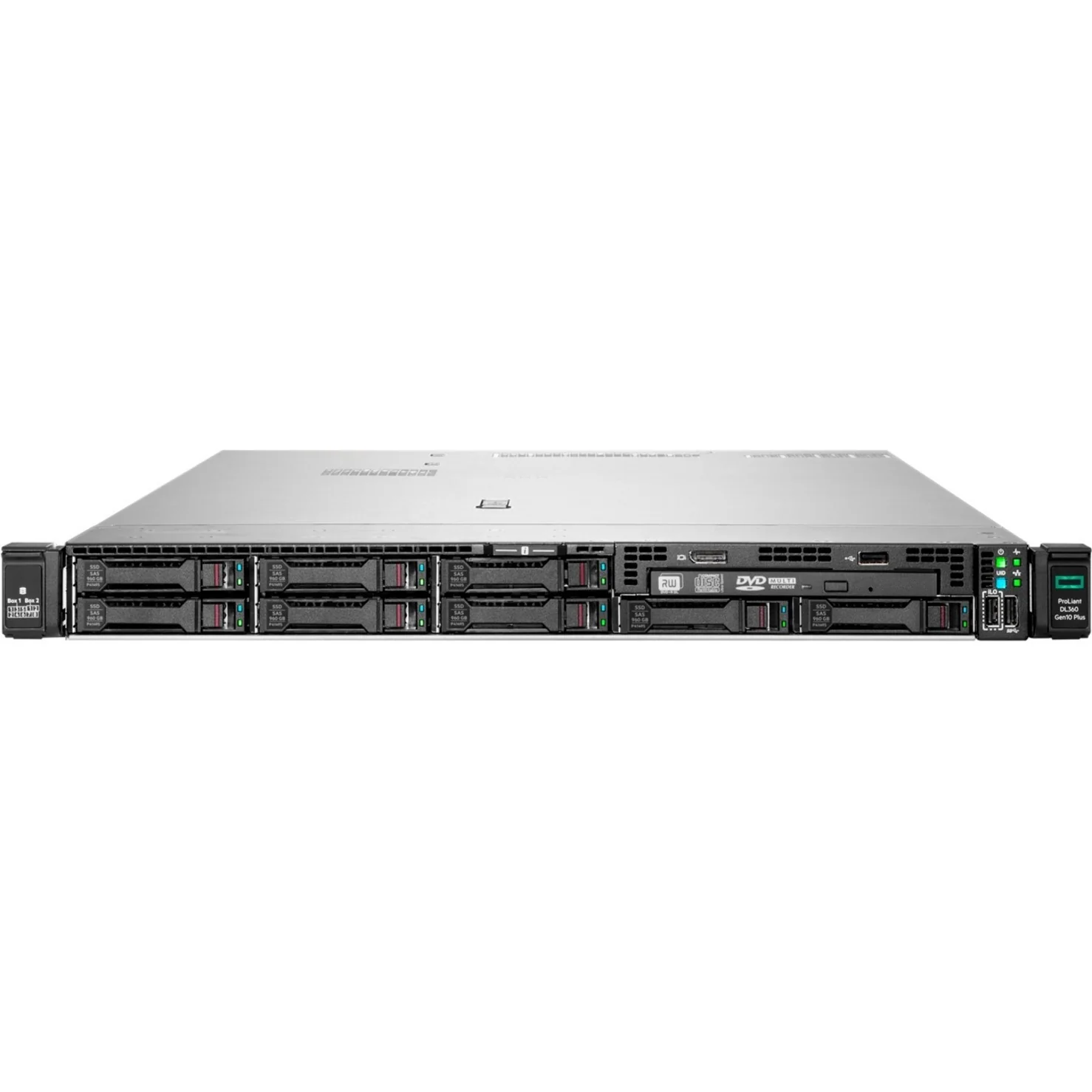
Architectural Foundation and Design Philosophy
Scalable Infrastructure Architecture
HPE servers demonstrate their backbone characteristics through a design philosophy centered on scalable infrastructure architecture that adapts to growing data center demands. The architectural foundation of these servers incorporates modular design principles that allow organizations to expand their computing capacity incrementally without requiring complete infrastructure overhauls. This scalability approach enables data centers to respond efficiently to changing business requirements while maintaining optimal resource utilization and cost effectiveness.
The modular architecture extends beyond simple hardware expansion to encompass integrated management systems that scale proportionally with the infrastructure growth. HPE servers utilize standardized components and interfaces that facilitate seamless integration with existing data center environments while providing clear upgrade paths for future technology adoption. This architectural consistency reduces complexity in multi-server deployments and simplifies the maintenance procedures that are essential for large-scale data center operations.
Furthermore, the architectural design incorporates advanced power management features that optimize energy consumption across varying workload patterns. The intelligent power distribution systems within HPE servers automatically adjust power allocation based on real-time processing demands, contributing to the overall efficiency that modern data centers require for sustainable operations. This power-aware architecture reduces operational costs while supporting environmental sustainability initiatives that are increasingly important in contemporary data center planning.
Reliability and Fault Tolerance Engineering
The backbone designation for HPE servers stems significantly from their engineered reliability features that ensure continuous operation in mission-critical environments. These servers incorporate multiple layers of fault tolerance mechanisms, including redundant power supplies, error-correcting memory systems, and predictive failure analysis capabilities that minimize unplanned downtime. The reliability engineering approach focuses on identifying potential failure points before they impact system availability, maintaining the stable foundation that data center operations depend upon.
Advanced diagnostic systems continuously monitor server health parameters and provide early warning indicators for components approaching end-of-life conditions. This proactive monitoring capability enables data center administrators to perform preventive maintenance during scheduled windows rather than responding to unexpected failures. The comprehensive health monitoring extends to thermal management systems that maintain optimal operating temperatures across varying environmental conditions and workload intensities.
The fault tolerance capabilities also include sophisticated data protection mechanisms that safeguard against information loss during hardware failures. HPE servers implement multiple redundancy levels for critical system components, ensuring that single points of failure do not compromise overall system integrity. These protection mechanisms work seamlessly with enterprise backup and disaster recovery solutions to provide comprehensive data security frameworks that modern data centers require for regulatory compliance and business continuity planning.
Performance Optimization and Workload Management
Computational Performance Characteristics
HPE servers achieve their backbone status through superior computational performance characteristics that address the diverse processing requirements of modern data center workloads. The performance optimization begins with processor selection and configuration options that support everything from high-frequency computing tasks to massively parallel processing applications. These servers utilize the latest processor technologies while maintaining backward compatibility with existing software ecosystems, ensuring smooth migration paths for organizations upgrading their infrastructure.
Memory architecture plays a crucial role in the performance advantages that position HPE servers as infrastructure backbones. The servers support high-capacity memory configurations with advanced error correction and performance optimization features that enhance application responsiveness and system stability. The memory subsystems are designed to handle the intensive data access patterns characteristic of modern applications, including real-time analytics, artificial intelligence workloads, and large-scale database operations.
Storage performance integration represents another critical aspect of the computational capabilities that make HPE servers essential backbone components. The servers provide flexible storage connectivity options that support both traditional storage systems and emerging storage technologies, enabling data centers to optimize their storage architectures for specific application requirements. This storage flexibility ensures that HPE servers can adapt to evolving data management strategies without requiring fundamental infrastructure changes.
Virtualization and Container Support
Modern data centers rely heavily on virtualization and containerization technologies to maximize resource utilization and application deployment flexibility, making virtualization support a key reason why HPE servers serve as infrastructure backbones. These servers are optimized for virtualization workloads with hardware-assisted virtualization features that improve performance and security isolation between virtual machines. The virtualization optimization includes specialized processor features and memory management capabilities that reduce the overhead typically associated with virtualized environments.
Container orchestration support extends the virtualization capabilities to include modern application deployment methodologies that are increasingly prevalent in cloud-native environments. HPE servers provide the computational resources and network connectivity required for container platforms while maintaining the performance characteristics necessary for production container workloads. This container support enables data centers to implement hybrid cloud strategies and microservices architectures that require flexible, scalable infrastructure foundations.
The integration between virtualization platforms and HPE servers includes management tools that simplify the deployment and maintenance of virtualized infrastructure. These management capabilities enable administrators to monitor resource utilization across virtual machines and containers while optimizing the allocation of physical resources to maximize overall system efficiency. The comprehensive virtualization support ensures that HPE servers can serve as effective platforms for both traditional enterprise applications and modern cloud-native workloads.
Integration and Ecosystem Connectivity
Network Infrastructure Integration
The backbone role of HPE servers in modern data centers is reinforced by their comprehensive network infrastructure integration capabilities that support complex connectivity requirements. These servers incorporate advanced network interface options that enable high-bandwidth connections to storage networks, management networks, and application traffic networks simultaneously. The network integration includes support for emerging network technologies such as software-defined networking and network function virtualization that are becoming standard in modern data center deployments.
Network redundancy features ensure that connectivity remains available even during network component failures or maintenance activities. HPE servers support multiple network interface configurations that provide automatic failover capabilities and load balancing across available network paths. This network resilience is essential for maintaining the continuous connectivity that modern applications require, particularly in environments supporting real-time processing and high-availability services.
The network management capabilities extend to include comprehensive monitoring and configuration tools that simplify network administration in large-scale deployments. HPE servers provide centralized network management interfaces that enable administrators to monitor network performance and configure network settings across multiple servers simultaneously. This centralized management reduces the administrative overhead associated with network maintenance while ensuring consistent network configurations across the data center infrastructure.
Storage System Connectivity
Storage system connectivity represents a fundamental aspect of why HPE servers function as data center backbones, providing the essential link between computational resources and data storage infrastructure. These servers support multiple storage connectivity protocols including traditional block storage interfaces and modern object storage APIs, enabling integration with diverse storage architectures. The storage connectivity flexibility allows data centers to implement tiered storage strategies that optimize cost and performance based on application requirements.
High-performance storage connectivity options enable HPE servers to support applications with intensive data access requirements such as database systems, analytics platforms, and content delivery networks. The servers include dedicated storage network interfaces that isolate storage traffic from general network traffic, ensuring consistent storage performance even during periods of high network utilization. This storage network isolation is particularly important in environments supporting multiple applications with varying storage performance requirements.
The integration with enterprise storage management systems simplifies storage provisioning and management across multiple servers and applications. HPE servers work seamlessly with storage orchestration platforms that automate storage allocation and backup procedures while maintaining the data protection policies required for enterprise environments. This storage integration reduces the complexity of data management while ensuring that storage resources are utilized efficiently across the data center infrastructure.
Management and Operational Efficiency
Centralized Management Capabilities
HPE servers establish their backbone position through sophisticated centralized management capabilities that streamline data center operations and reduce administrative complexity. The management systems provide unified interfaces for monitoring, configuring, and maintaining multiple servers from centralized locations, enabling efficient administration of large-scale deployments. These management capabilities include automated deployment tools that accelerate server provisioning and ensure consistent configurations across the infrastructure.
Remote management features enable administrators to perform maintenance tasks and troubleshooting procedures without requiring physical access to server hardware. The remote management capabilities include console access, power management, and diagnostic functions that support comprehensive server administration from any network location. This remote accessibility is particularly valuable for data centers with distributed locations or facilities that require restricted physical access for security reasons.
The management systems integrate with enterprise IT service management platforms to provide comprehensive monitoring and alerting capabilities that support proactive infrastructure maintenance. HPE servers generate detailed performance metrics and health status information that can be integrated with monitoring dashboards and automated response systems. This integration enables data center operations teams to identify and address potential issues before they impact application performance or system availability.
Automation and Orchestration Support
Modern data centers rely on automation and orchestration technologies to manage complex infrastructure environments efficiently, making automation support a critical factor in the backbone role of HPE servers. These servers include APIs and integration capabilities that enable automated provisioning, configuration management, and lifecycle management through popular orchestration platforms. The automation support reduces manual administrative tasks while ensuring consistent infrastructure configurations and deployment procedures.
Infrastructure as code capabilities enable data center teams to define server configurations and deployment procedures using standardized templates and scripts. HPE servers support configuration management tools that automate the deployment of operating systems, applications, and security policies across multiple servers simultaneously. This automation capability accelerates deployment timelines while reducing the risk of configuration errors that can impact system stability and security.
The orchestration integration extends to include support for cloud management platforms that enable hybrid cloud deployments and workload mobility between on-premises and cloud environments. HPE servers provide the consistent management interfaces and performance characteristics required for seamless workload migration and hybrid cloud operations. This orchestration support enables organizations to implement flexible IT strategies that leverage both on-premises infrastructure and cloud services based on application requirements and business objectives.
FAQ
What makes HPE servers more reliable than other server brands for data center use?
HPE servers incorporate multiple layers of reliability features including redundant power supplies, advanced error-correcting memory, predictive failure analysis, and comprehensive health monitoring systems. These features work together to minimize unplanned downtime and provide early warning of potential component failures, enabling proactive maintenance that keeps data centers running smoothly.
How do HPE servers support modern virtualization and cloud technologies?
HPE servers are optimized for virtualization with hardware-assisted virtualization features, support for container orchestration platforms, and integration with cloud management systems. They provide the computational resources and network connectivity required for virtual machines and containers while maintaining performance characteristics necessary for production workloads in both private and hybrid cloud environments.
What scalability advantages do HPE servers offer for growing data centers?
HPE servers feature modular architecture that allows incremental capacity expansion without complete infrastructure overhauls. They support standardized components and interfaces for seamless integration, provide clear upgrade paths for future technologies, and include management systems that scale with infrastructure growth, making them ideal for data centers that need to adapt to changing business requirements.
How do HPE servers integrate with existing data center infrastructure?
HPE servers support multiple network protocols, storage connectivity options, and management interfaces that enable integration with diverse data center environments. They include comprehensive APIs for automation platforms, support for enterprise management systems, and compatibility with existing storage and network infrastructure, allowing organizations to incorporate them into their current environments without major architectural changes.
Table of Contents
- Architectural Foundation and Design Philosophy
- Performance Optimization and Workload Management
- Integration and Ecosystem Connectivity
- Management and Operational Efficiency
-
FAQ
- What makes HPE servers more reliable than other server brands for data center use?
- How do HPE servers support modern virtualization and cloud technologies?
- What scalability advantages do HPE servers offer for growing data centers?
- How do HPE servers integrate with existing data center infrastructure?