
 EN
EN



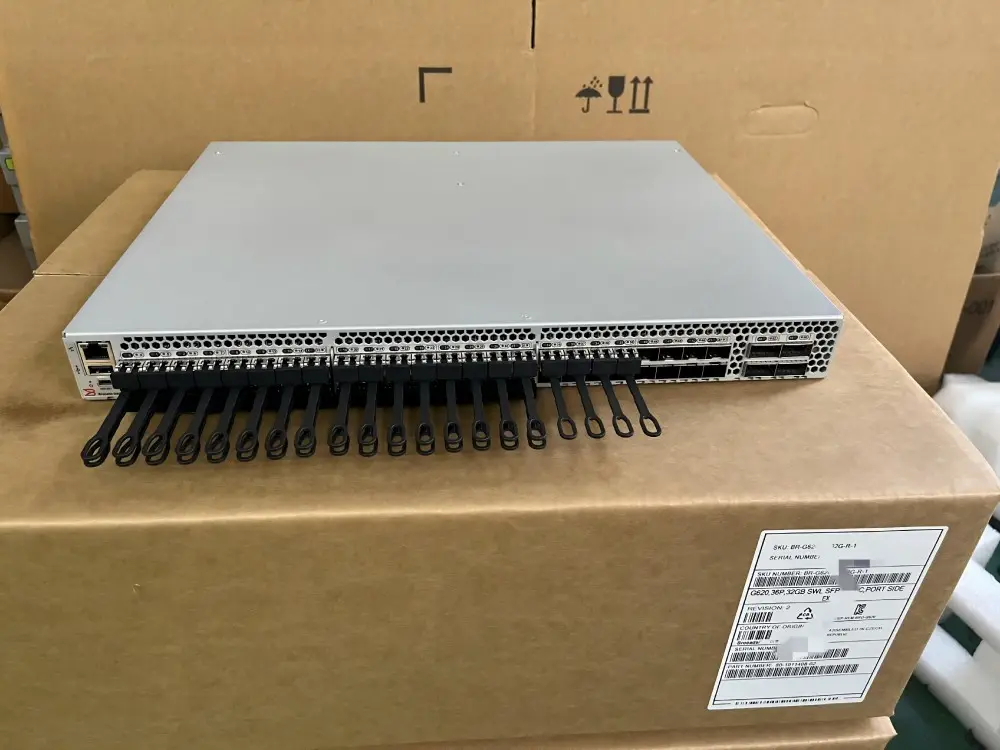
راهحلهای شبکه سازمانی: تحلیل رهبران صنعت
در محیط کسبوکار امروزی که مبتنی بر داده است، انتخاب تجهیزات شبکه میتواند به طور قابل توجهی بر عملکرد و سودآوری یک سازمان تأثیر بگذارد. شبکههای سازمانی نیازمند راهحلهای قابل اعتماد و با عملکرد بالا هستند، و دو بازیگر عمده همواره در بازار برجسته میشوند: سوئیچ بروکید فناوری و سیستمهای سیسکو. این مقایسه جامع ویژگیهای متمایز، مزایا و ملاحظات هر دو راهحل شبکهای را بررسی خواهد کرد تا به سازمانها در تصمیمگیری آگاهانه کمک کند.
فناوری هستهای و معماری
زیرساخت سختافزاری و طراحی
معماری سوئیچ برودیک تأکید بر راهاندازی و مدیریت سادهشده دارد و در عین حال عملکردی در سطح سازمانی ارائه میدهد. این سوئیچها از معماری بدون مسدودسازی بهره میبرند که تأخیر کم و ثابتی را در تمام پورتها تضمین میکند. طراحی سختافزاری شامل ASICهای پیشرفته (مدارهای مجتمع اختصاصی) است که وظایف شبکهای پیچیده را با کارایی بسیار بالایی انجام میدهند. هر سوئیچ برودیک دارای منابع تغذیه و سیستمهای خنککنندهٔ ذخیرهای است که حداکثر زمان در دسترس بودن را در محیطهای حیاتی تضمین میکند.
معماری داخلی سیستمهای سوئیچ برودیک از قابلیتهای پیشرفتهای مانند فناوری VCS (سوئیچینگ خوشهای مجازی) پشتیبانی میکند که امکان این را فراهم میآورد چندین سوئیچ بهعنوان یک دستگاه منطقی واحد کار کنند. این رویکرد بهطور چشمگیری پیچیدگی مدیریت را کاهش میدهد و در عین حال انعطافپذیری و مقیاسپذیری شبکه را بهبود میبخشد. پلتفرم سختافزاری همچنین از مکانیزمهای پیشرفته QoS (کیفیت خدمات) پشتیبانی میکند که بهطور مؤثر ترافیکهای حیاتی را اولویتبندی میکنند.
تواناییهای عملکردی
هنگام بررسی معیارهای عملکرد، راهحلهای سوئیچ Brocade قابلیتهای چشمگیری در محیطهای با تراکم بالا نشان میدهند. این سوئیچها از عملکرد با سرعت سیم در تمام پورتها پشتیبانی میکنند و برخی مدلها امکان اتصال تا 100GbE را فراهم میآورند. سیستم پیشرفته مدیریت بافر، اطمینان حاصل میکند که ریزشارژها بهینه مدیریت شوند و از از دست دادن بستهها در شرایط ترافیک اوج جلوگیری میشود.
معماری عملکرد شامل پشتیبانی از پروتکلهای پیشرفته مانند TRILL (اتصال شفاف تعداد زیادی لینک) و SPB (بریجینگ کوتاهترین مسیر) است که مسیرهای داده را بهینه میکنند و تأخیر شبکه را کاهش میدهند. این ویژگیها بهویژه در مراکز دادههای مدرن ارزشمند هستند که در آنها میکروثانیهها میتوانند تفاوت چشمگیری در عملکرد برنامه ایجاد کنند.
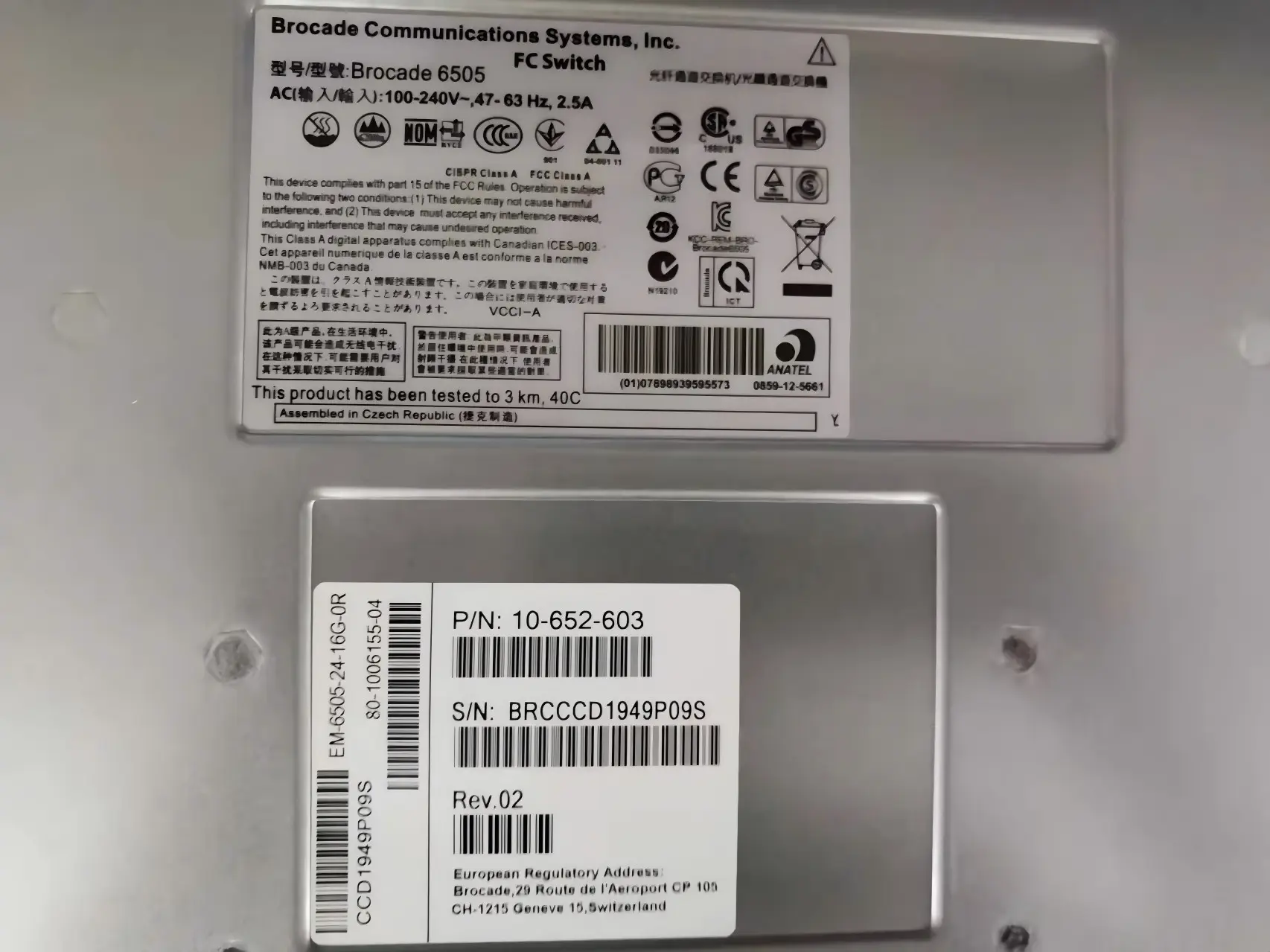
ویژگیهای مدیریت و پیکربندی
کنترل و نظارت شبکه
رابط مدیریت سوئیچ بروکد امکان دید جامعی نسبت به عملیات شبکه فراهم میکند. مدیران میتوانند با استفاده از داشبوردهای کاربرپسند و تحلیلهای دقیق، معیارهای عملکرد را پایش کرده، مشکلات را عیبیابی نموده و پیکربندی شبکه را بهینهسازی کنند. این پلتفرم از گزینههای مدیریتی مبتنی بر CLI و همچنین GUI پشتیبانی میکند و بنابراین نیازهای مختلف مدیران با سطوح مهارتی متفاوت را برآورده میسازد.
قابلیتهای پیشرفته نظارت شامل تحلیل ترافیک در زمان واقعی، آمار پورتها و ثبت رویدادهای دقیق میشود. سیستم قادر است هشدارها و گزارشهای خودکاری تولید کند که به مدیران کمک میکند تا قبل از اینکه مشکلات بر عملکرد شبکه تأثیر بگذارند، بهصورت پیشگیرانه با آنها روبرو شوند. ادغام با ابزارهای مدیریتی شخص ثالث به راحتی انجام میشود و امکان حفظ گردش کارهای عملیاتی موجود را برای سازمانها فراهم میآورد.
اتوماسیون و هماهنگسازی
مدیریت شبکه مدرن نیاز به قابلیت های پیشرفته اتوماسیون دارد و سیستم های سوئیچ بروکاد در این زمینه برجسته هستند. سوئیچ ها از رابط های قابل برنامه ریزی و API ها پشتیبانی می کنند که امکان اسکریپت های اتوماسیون سفارشی و ادغام با سیستم عامل های معروف موسیقی را فراهم می کند. مدیران شبکه می توانند وظایف معمول را خودکار کنند، هزینه های عملیاتی را کاهش دهند و خطاهای پیکربندی را به حداقل برسانند.
چارچوب اتوماسیون شامل پشتیبانی از اسکریپت های پایتون، API های REST و پروتکل های استاندارد صنعت مانند NETCONF و YANG است. این قابلیت ها پیاده سازی شبکه های مبتنی بر قصد را تسهیل می کنند و به سازمان ها کمک می کنند تا به سمت معماری های شبکه خودکار تر و خود ساز شوند.
ویژگیهای امنیتی و انطباقی
مکانیزم های حفاظت از شبکه
امنیت در شبکه های سازمانی بسیار مهم است و تکنولوژی سوئیچ بروکد شامل چندین لایه حفاظت است. سوئیچ ها از مکانیسم های معتبر پیشرفته از جمله 802.1X، RADIUS و TACACS+ پشتیبانی می کنند. لیست های کنترل دسترسی (ACL) می توانند با سرعت سیم اجرا شوند، اطمینان حاصل شود که سیاست های امنیتی بر عملکرد شبکه تأثیر نمی گذارند.
معماری امنیتی شامل پشتیبانی از رمزگذاری MACsec است که از داده های انتقال بین سوئیچ ها محافظت می کند. ویژگی های پیشرفته مانند امنیت پورت، خفاش DHCP و محافظت از منبع IP به جلوگیری از حملات شبکه ای رایج و تلاش های دسترسی غیرمجاز کمک می کند. این پلت فرم همچنین از بخش بندی شبکه پیچیده از طریق VLAN ها و VLAN های خصوصی پشتیبانی می کند.
پشتیبانی از انطباق و حسابرسی
برای سازمان هایی که در صنایع تنظیم شده فعالیت می کنند، سیستم های سوئیچ بروکاد پشتیبانی جامع از انطباق را فراهم می کنند. سوئیچ ها در حال نگهداری گزارش های دقیق حسابرسی از تمام تغییرات پیکربندی و تلاش های دسترسی هستند، که به سازمان ها کمک می کند تا نیازهای مختلف قانونی را برآورده کنند. این پلت فرم از کنترل دسترسی مبتنی بر نقش (RBAC) با مجوزهای جزئی پشتیبانی می کند، که اطمینان حاصل می کند مدیران دارای سطوح دسترسی مناسب هستند.
ابزارهای مربوط به بررسی انطباق به سازمان ها کمک می کند تا پیکربندی شبکه خود را با استانداردهای صنعت و بهترین شیوه ها تأیید کنند. به روز رسانی های امنیتی و اصلاحات منظم تضمین می کند که زیرساخت شبکه در برابر تهدیدات و آسیب پذیری های جدید محافظت شود.
ملاحظات هزینه و ارزش
هزینه کلی مالکیت
در هنگام ارزیابی راه حل های شبکه، سازمان ها باید هزینه های اولیه کسب و هزینه های عملیاتی بلند مدت را در نظر بگیرند. سیستم های سوئیچ بروکد معمولاً در مقایسه با راه حل های جایگزین قیمت رقابتی ارائه می دهند و مدل های مختلفی برای متناسب با نیازهای مختلف بودجه در دسترس هستند. معماری مدیریت ساده می تواند منجر به کاهش هزینه های عملیاتی از طریق بهبود کارایی و اتوماسیون شود.
ویژگی های بهره وری انرژی در سخت افزار سوئیچ بروکاد به کاهش مصرف برق و نیازهای خنک کننده کمک می کند و به کاهش هزینه های عملیاتی کمک می کند. دوام و قابلیت اطمینان سخت افزار، همراه با پوشش جامع گارانتی، به حداقل رساندن هزینه های تعمیرات غیر منتظره کمک می کند.
تحلیل بازده سرمایه گذاری
سازمانهایی که راهحلهای سوئیچ Brocade را پیادهسازی میکنند، اغلب بازده سرمایه مثبتی را از طریق بهبود عملکرد شبکه، کاهش زمان توقف و مدیریت سادهتر تجربه میکنند. قابلیتهای پیشرفته خودکارسازی میتوانند بار مدیریتی را بهطور قابل توجهی کاهش دهند و به کارکنان فناوری اطلاعات اجازه میدهند تا بر اقدامات استراتژیک به جای وظایف تعمیر و نگهداری روزمره تمرکز کنند.
مقیاسپذیری این پلتفرم تضمین میکند که سرمایهگذاری اولیه در برابر افزایش نیازهای شبکه حفظ شود. سازمانها میتوانند زیرساخت شبکه خود را به صورت افزایشی گسترش دهند بدون اینکه نیاز به تعویض کامل تجهیزات موجود داشته باشند.
سوالات متداول
مزایای کلیدی انتخاب سوئیچ Brocade برای شبکههای سازمانی چیست؟
سیستمهای سوئیچ Brocade چندین مزیت مشخص ارائه میدهند، از جمله مدیریت سادهشده از طریق فناوری VCS، قابلیتهای خودکارسازی پیشرفته و ویژگیهای امنیتی جامع. این پلتفرم مقیاسپذیری عالی، عملکرد قوی و هزینه کلی مالکیت رقابتی را فراهم میکند.
گارانتی و پوشش پشتیبانی در مقایسه با فروشندگان دیگر چگونه است؟
محصولات سوئیچ بروکد معمولاً دارای گارانتی جامع هستند که شامل تعویض سختافزار و بهروزرسانیهای نرمافزاری میشود. اکوسیستم پشتیبانی شامل کمک فنی 24/7، منابع آنلاین و دسترسی به بهروزرسانیهای فرمافزار و رفع اشکال امنیتی است.
گزینههای آموزشی و گواهینامه برای مدیران شبکه چیست؟
بروکد برنامههای آموزشی گسترده و مسیرهای گواهینامه حرفهای برای مدیران شبکه ارائه میدهد. این برنامهها شامل دورههای آنلاین، آزمایشگاههای عملی و مسیرهای گواهینامه حرفهای هستند که جنبههای مختلف طراحی، پیادهسازی و مدیریت شبکه را پوشش میدهند. بهروزرسانیهای منظم آموزشی تضمین میکنند که مدیران با ویژگیها و بهترین روشهای جدید همگام بمانند.