
 EN
EN



Modern businesses face increasing pressure to optimize their IT infrastructure while managing costs and improving operational efficiency. HPE servers have emerged as a leading solution for organizations seeking to transform their computing environments through advanced virtualization technologies. By leveraging the robust architecture and innovative features of HPE servers, companies can achieve unprecedented levels of resource utilization, scalability, and operational streamlining that directly impact their bottom line and competitive positioning.
The strategic implementation of HPE servers for virtualization goes beyond simple server consolidation, extending into comprehensive business transformation that touches every aspect of organizational operations. Through intelligent resource management, automated provisioning, and seamless integration capabilities, these enterprise-grade systems enable businesses to respond rapidly to changing market demands while maintaining operational stability and security. Understanding how HPE servers facilitate this transformation is crucial for IT leaders planning their infrastructure modernization initiatives.
Architectural Foundation for Virtualization Excellence
Multi-Core Processing Power and Memory Architecture
HPE servers deliver exceptional virtualization performance through their advanced multi-core processor architectures that support simultaneous execution of multiple virtual machines without performance degradation. The Intel Xeon and AMD EPYC processors found in HPE servers provide the computational foundation necessary for running complex virtualized workloads while maintaining the isolation and security required in enterprise environments. These processors feature advanced virtualization extensions that enable hardware-assisted virtualization, reducing the overhead typically associated with running multiple operating systems simultaneously.
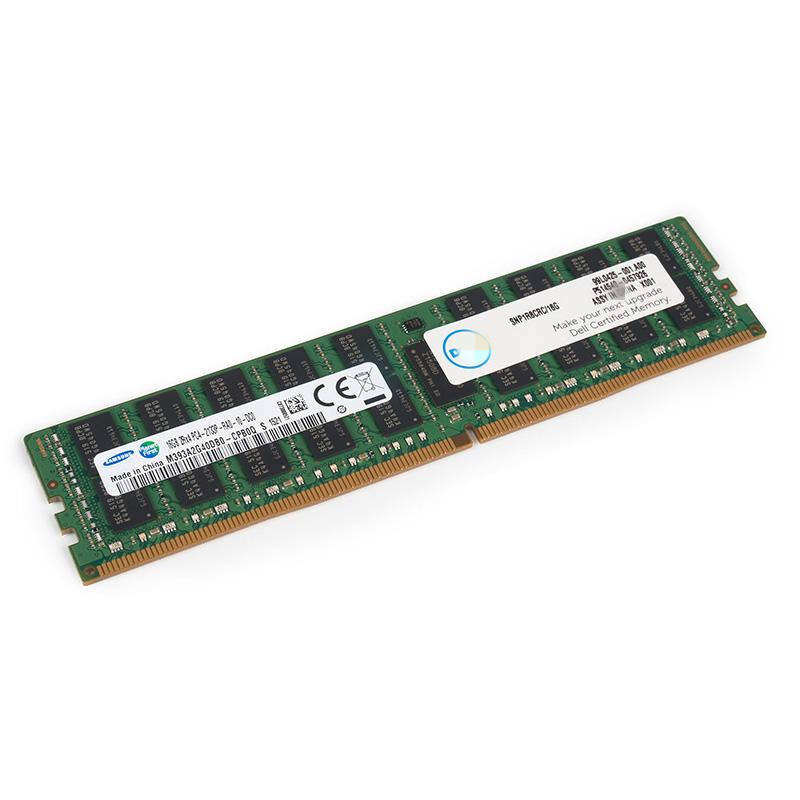
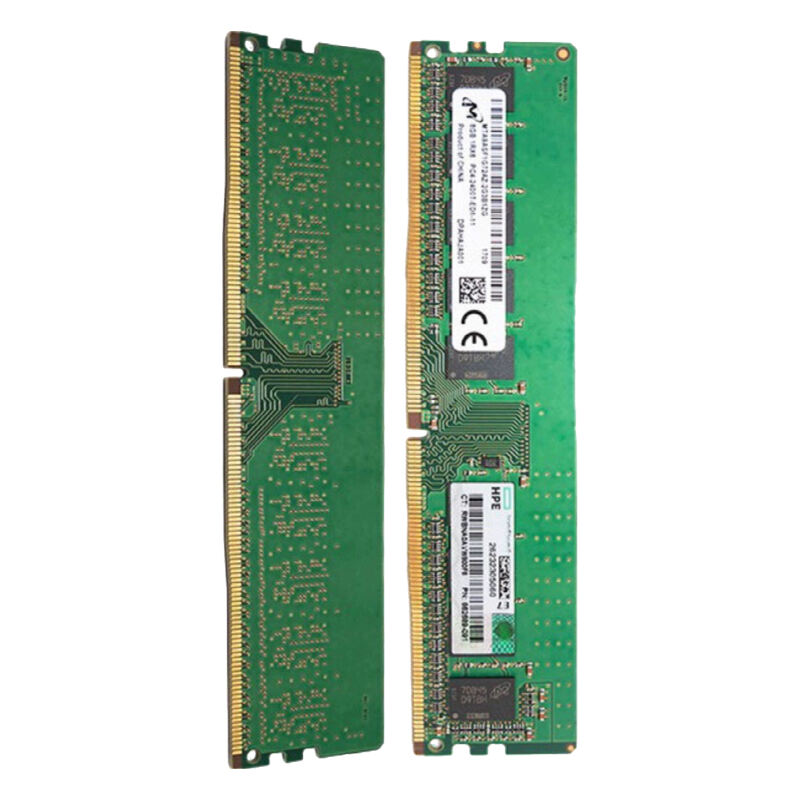
Memory subsystem design plays a crucial role in virtualization success, and HPE servers incorporate high-capacity, high-speed memory configurations that support the demanding requirements of virtualized environments. The DDR5 memory technology integrated into modern HPE servers provides increased bandwidth and reduced latency, ensuring that virtual machines can access data quickly and efficiently. This memory architecture becomes particularly important when running memory-intensive applications across multiple virtual machines, where traditional systems might experience bottlenecks that impact overall performance.
The scalable memory architecture of HPE servers allows organizations to expand their virtualization capacity as business needs grow, without requiring complete system replacement. This scalability feature ensures that initial investments in HPE servers continue to provide value as virtualization requirements evolve, making them a cost-effective solution for long-term business operations streamlining.
Storage Integration and I/O Performance
Storage performance represents a critical factor in successful virtualization implementations, and HPE servers address this challenge through integrated storage controllers and high-speed connectivity options. The Smart Array controllers found in HPE servers provide hardware-based RAID functionality that ensures data protection while delivering the throughput necessary for supporting multiple virtual machines accessing storage simultaneously. These controllers include advanced features such as read and write caching that significantly improve I/O performance in virtualized environments.
HPE servers support various storage connectivity options including SAS, SATA, and NVMe interfaces, allowing organizations to optimize their storage configuration based on specific performance and capacity requirements. The inclusion of NVMe storage support is particularly important for virtualization workloads that require low-latency access to data, as this technology can reduce storage access times by orders of magnitude compared to traditional rotating disk storage.
Network connectivity features in HPE servers ensure that virtualized workloads can communicate efficiently both within the server and across the broader network infrastructure. Integrated network controllers with advanced features such as SR-IOV enable virtual machines to access network resources directly, reducing the overhead associated with traditional virtualized networking approaches and improving overall system performance.
Virtualization Platform Optimization and Management
Hypervisor Compatibility and Performance Tuning
HPE servers demonstrate exceptional compatibility with leading virtualization platforms including VMware vSphere, Microsoft Hyper-V, and open-source solutions like KVM and Xen. This broad compatibility ensures that organizations can select the virtualization platform that best aligns with their technical requirements and operational preferences without being constrained by hardware limitations. The extensive testing and validation performed by HPE with these platforms results in optimized drivers and firmware that maximize performance and reliability in production environments.
Performance tuning capabilities built into HPE servers enable administrators to optimize system behavior for specific virtualization workloads and usage patterns. The HPE Intelligent System Tuning feature automatically adjusts system parameters based on detected workload characteristics, ensuring optimal performance without requiring manual intervention from IT staff. This automation reduces the complexity of managing virtualized environments while ensuring consistent performance across diverse application workloads.
The integration between HPE servers and virtualization management tools provides administrators with comprehensive visibility into both physical and virtual resource utilization. This visibility enables proactive capacity planning and performance optimization that prevents resource contention issues before they impact business operations. The ability to monitor and manage both hardware and virtual resources from unified management interfaces streamlines administrative tasks and reduces the expertise required to maintain complex virtualized environments.
Resource Allocation and Dynamic Scaling
Dynamic resource allocation capabilities in HPE servers enable virtual machines to automatically adjust their resource consumption based on real-time demand patterns, ensuring optimal utilization of available computing resources. This functionality allows organizations to run more virtual machines on the same physical hardware while maintaining performance levels that meet business requirements. The intelligent resource scheduling algorithms built into modern HPE servers can detect when virtual machines require additional resources and automatically allocate available capacity without manual intervention.
Memory ballooning and transparent page sharing technologies implemented in HPE servers allow for more efficient memory utilization across virtual machines, reducing the total amount of physical memory required to support a given number of virtual machines. These technologies become particularly valuable in environments where virtual machines have varying memory usage patterns throughout their operational cycles, enabling better overall resource utilization and cost efficiency.
The ability to perform live migration of virtual machines between HPE servers provides organizations with unprecedented flexibility in managing their computing resources and maintaining business continuity during maintenance activities. This capability ensures that business operations can continue uninterrupted even when individual servers require updates or maintenance, significantly reducing the planned downtime that traditionally impacts business productivity.
Business Process Integration and Automation
Application Workload Optimization
HPE servers excel at supporting diverse application workloads through virtualization by providing the necessary computing resources and optimization features required by modern business applications. Database applications, which often represent the most demanding workloads in virtualized environments, benefit from the high-memory capacity and fast storage access provided by HPE servers. The ability to allocate dedicated resources to critical database virtual machines while sharing resources among less demanding applications enables organizations to achieve better overall system utilization while maintaining application performance standards.
Enterprise resource planning systems and customer relationship management applications running on virtualized HPE servers can take advantage of the scalable computing resources and high availability features that ensure business continuity. The ability to quickly provision additional virtual machines for seasonal workload increases or new application deployments enables businesses to respond rapidly to changing operational requirements without the delays associated with physical hardware procurement and deployment.
Development and testing environments benefit significantly from the flexibility provided by HPE servers running virtualization platforms, as organizations can quickly create and destroy virtual machines as needed for software development cycles. This capability reduces the time required for application development and testing while ensuring that development environments accurately reflect production configurations, leading to higher quality software deployments and reduced troubleshooting time.
Disaster Recovery and Business Continuity
The virtualization capabilities of HPE servers provide organizations with enhanced disaster recovery options that significantly reduce both the time and cost associated with maintaining business continuity capabilities. Virtual machine snapshots and replication features enable organizations to create point-in-time copies of complete system configurations that can be rapidly restored in the event of hardware failure or data corruption. This capability reduces recovery time objectives from hours or days to minutes, minimizing the business impact of system failures.
Geographic distribution of HPE servers enables organizations to implement comprehensive disaster recovery strategies that protect against site-level disasters such as natural disasters or facility outages. The ability to replicate virtual machines between geographically separated HPE servers ensures that critical business applications can continue operating even in the event of catastrophic facility loss, providing organizations with unprecedented levels of business continuity protection.
Automated failover capabilities built into virtualization platforms running on HPE servers can detect system failures and automatically restart affected virtual machines on alternative hardware, reducing the time required for business operations to resume. This automation reduces the dependency on manual intervention during crisis situations, ensuring that business recovery procedures can execute reliably even when technical staff may not be immediately available.
Cost Optimization and Resource Efficiency
Hardware Consolidation Benefits
Server consolidation through virtualization on HPE servers delivers immediate cost savings by reducing the number of physical systems required to support business operations. Organizations typically achieve consolidation ratios of 10:1 or higher when migrating from physical servers to virtualized environments on HPE servers, resulting in significant reductions in hardware acquisition costs, power consumption, and data center space requirements. These savings compound over time as organizations avoid the need to purchase additional physical servers for new applications or capacity expansion.
Energy efficiency improvements achieved through server consolidation on HPE servers contribute to both cost savings and environmental sustainability goals. The advanced power management features built into HPE servers enable dynamic adjustment of power consumption based on actual workload demands, ensuring that systems consume only the energy required to support active virtual machines. This intelligent power management can result in energy savings of 30-50% compared to traditional physical server deployments, representing substantial operational cost reductions for organizations with significant computing infrastructure.
Maintenance and support cost reductions result from having fewer physical systems to manage and maintain, as HPE servers supporting virtualized environments require less frequent hardware maintenance compared to distributed physical server deployments. The consolidation of management activities to fewer physical systems reduces the time and expertise required for routine maintenance tasks, allowing IT staff to focus on higher-value activities that directly support business objectives.
Operational Efficiency Gains
Provisioning time for new applications and services decreases dramatically when using HPE servers for virtualization, as new virtual machines can be deployed in minutes rather than the days or weeks required for physical server procurement and configuration. This rapid provisioning capability enables organizations to respond quickly to new business opportunities and changing operational requirements, providing competitive advantages through increased agility and responsiveness to market conditions.
Administrative overhead reduction occurs through the centralized management capabilities provided by virtualization platforms running on HPE servers, as administrators can manage multiple virtual machines from unified interfaces rather than connecting to individual physical systems. This centralization reduces the time required for routine administrative tasks such as software updates, security patching, and system monitoring, enabling IT teams to manage larger environments with the same staffing levels.
Backup and recovery processes become more efficient when implemented on virtualized HPE servers, as entire virtual machines can be backed up as single units rather than requiring separate backup procedures for each application and operating system component. This approach reduces backup window requirements and simplifies recovery procedures, enabling organizations to meet more aggressive recovery time objectives while reducing the storage capacity required for backup retention.
Security and Compliance Enhancement
Isolation and Access Control
Virtual machine isolation provided by HPE servers ensures that applications and data remain separated even when running on shared physical hardware, providing security benefits that exceed those available in traditional physical server deployments. The hypervisor layer acts as a security barrier between virtual machines, preventing unauthorized access to data and applications even if individual virtual machines become compromised. This isolation capability enables organizations to run applications with different security requirements on the same physical hardware without compromising overall security posture.
Role-based access control features integrated into HPE servers and their associated virtualization platforms enable organizations to implement granular security policies that control which administrators can access specific virtual machines and perform particular management functions. This capability reduces the risk of unauthorized configuration changes or data access while enabling organizations to delegate routine administrative tasks to appropriate staff members without compromising security.
Network segmentation capabilities provided by virtualized environments on HPE servers enable organizations to implement micro-segmentation strategies that limit network communication between applications based on security policies. This approach reduces the potential impact of security breaches by preventing lateral movement of threats within the network infrastructure, providing enhanced protection for critical business applications and sensitive data.
Compliance and Audit Support
Audit trail capabilities built into HPE servers and virtualization platforms provide comprehensive logging of all administrative activities and system changes, supporting compliance requirements for industries with strict regulatory oversight. These logs include detailed information about virtual machine creation, modification, and deletion activities, as well as changes to system configurations and security settings, enabling organizations to demonstrate compliance with regulatory requirements and internal governance policies.
Template-based virtual machine deployment capabilities ensure consistent system configurations that align with organizational security standards and compliance requirements. By deploying virtual machines from approved templates, organizations can ensure that all systems include required security configurations and software versions, reducing the risk of non-compliant deployments and simplifying audit processes.
Automated compliance monitoring tools that integrate with HPE servers can continuously assess virtual machine configurations against established security baselines and compliance requirements, providing alerts when systems drift from approved configurations. This continuous monitoring capability enables organizations to maintain compliance posture without requiring constant manual oversight, reducing the administrative burden associated with regulatory compliance while improving overall security effectiveness.
FAQ
What types of virtualization workloads perform best on HPE servers?
HPE servers excel at supporting enterprise applications including database systems, ERP platforms, virtual desktop infrastructure, and development environments. The high-memory capacity and multi-core processing power of HPE servers make them particularly well-suited for memory-intensive applications and workloads requiring consistent performance across multiple virtual machines. Organizations typically see the best results when using HPE servers for business-critical applications that require high availability and scalable resource allocation.
How do HPE servers compare to other server platforms for virtualization performance?
HPE servers provide competitive virtualization performance through their optimized hardware architecture, extensive hypervisor compatibility testing, and integrated management features. The combination of Intel Xeon or AMD EPYC processors, high-speed memory subsystems, and advanced storage controllers enables HPE servers to support high virtual machine densities while maintaining consistent performance. The extensive validation testing performed with leading virtualization platforms ensures reliable operation and optimal performance tuning for production environments.
What are the key factors to consider when sizing HPE servers for virtualization projects?
Successful HPE server sizing for virtualization requires careful analysis of application resource requirements, expected virtual machine densities, and growth projections. Key factors include total memory requirements for all planned virtual machines, processing power needs based on application characteristics, storage capacity and performance requirements, and network bandwidth demands. Organizations should also consider high availability requirements, disaster recovery needs, and the potential for future capacity expansion when selecting appropriate HPE server configurations.
How can organizations ensure optimal return on investment when implementing HPE servers for virtualization?
Maximizing ROI from HPE server virtualization investments requires careful planning of consolidation ratios, implementation of automated management tools, and optimization of resource utilization patterns. Organizations should focus on migrating the most resource-intensive applications first to achieve immediate cost savings, implement comprehensive monitoring to identify optimization opportunities, and establish policies for efficient resource allocation across virtual machines. Regular assessment of virtual machine performance and resource utilization helps ensure that HPE servers continue to deliver optimal value throughout their operational lifecycle.
Table of Contents
- Architectural Foundation for Virtualization Excellence
- Virtualization Platform Optimization and Management
- Business Process Integration and Automation
- Cost Optimization and Resource Efficiency
- Security and Compliance Enhancement
-
FAQ
- What types of virtualization workloads perform best on HPE servers?
- How do HPE servers compare to other server platforms for virtualization performance?
- What are the key factors to consider when sizing HPE servers for virtualization projects?
- How can organizations ensure optimal return on investment when implementing HPE servers for virtualization?