
 EN
EN



Despite the emergence of DDR5 technology, DDR4 memory continues to dominate the mid-level server market, offering compelling advantages that make it an enduring choice for businesses seeking reliable performance without premium costs. Organizations operating mid-tier server infrastructure face unique challenges in balancing performance requirements with budget constraints, making the selection of memory technology a critical decision that impacts both operational efficiency and total cost of ownership.
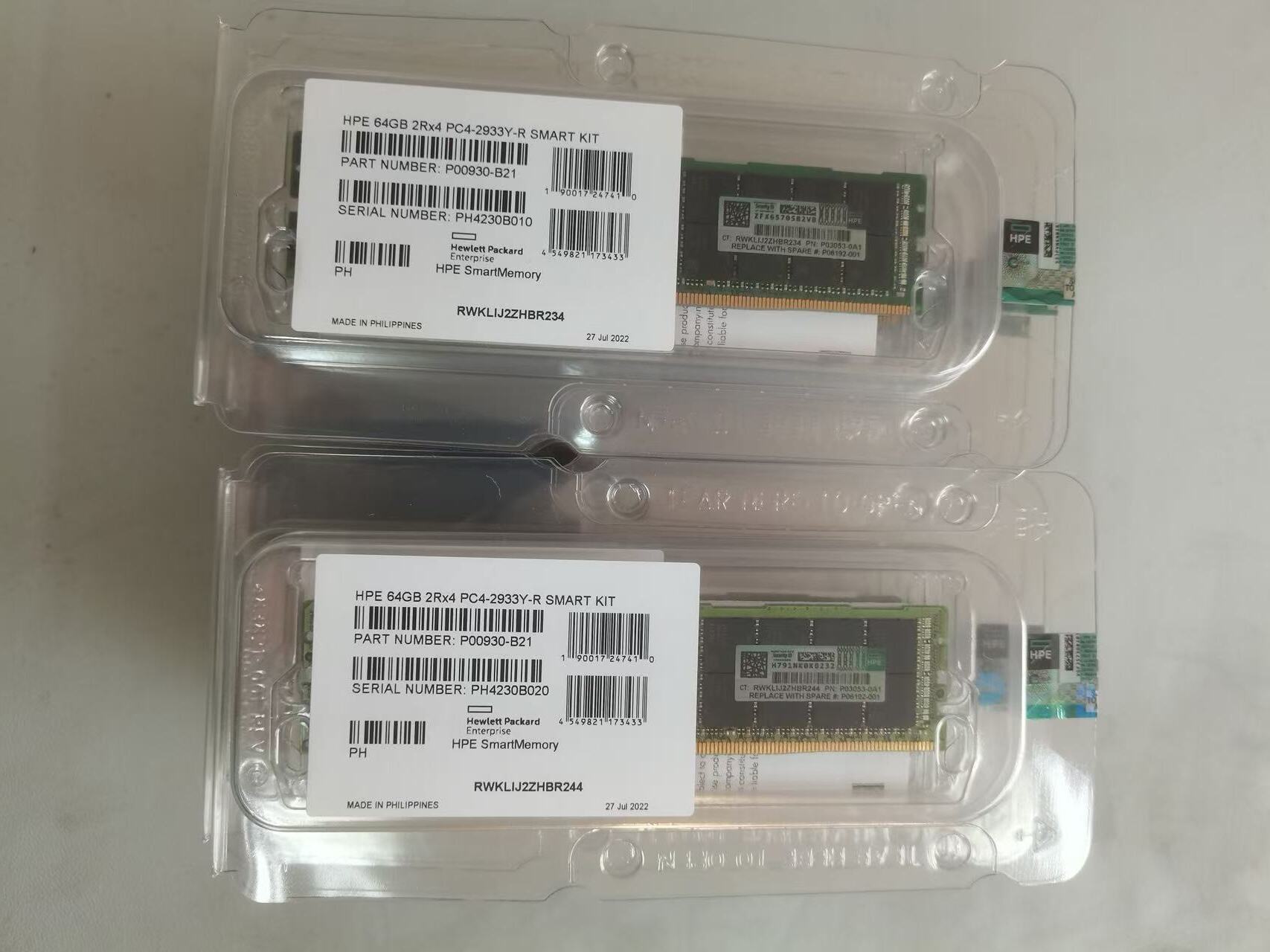
The sustained relevance of DDR4 memory in mid-level server environments stems from a combination of mature technology benefits, cost-effectiveness, and proven reliability that aligns perfectly with the operational needs of medium-scale enterprises. While DDR5 offers theoretical performance improvements, the practical advantages of DDR4 memory in real-world server applications continue to justify its widespread adoption, particularly in scenarios where extreme performance gains do not warrant the premium investment required for next-generation memory solutions.
Cost-Effectiveness and Budget Optimization
Significant Price Advantages Over DDR5
The primary driver behind DDR4 memory's continued dominance in mid-level servers is its substantial cost advantage over DDR5 alternatives. Current market pricing shows DDR4 memory modules typically cost 40-60% less than comparable DDR5 configurations, allowing organizations to maximize memory capacity within existing budget constraints. This price differential is particularly important for mid-level server deployments where IT departments must balance performance requirements against financial limitations.
For businesses operating multiple mid-level servers, the cumulative savings from choosing DDR4 memory can be redirected toward other critical infrastructure improvements. The cost savings enable organizations to deploy higher memory capacities across their server fleet, often resulting in better overall system performance than smaller amounts of premium DDR5 memory. This economic reality makes DDR4 memory an attractive proposition for companies seeking to optimize their server infrastructure investments.
The mature manufacturing ecosystem surrounding DDR4 memory has also contributed to increased availability and competitive pricing from multiple vendors. This market maturity ensures stable pricing and reliable supply chains, reducing procurement risks associated with newer memory technologies that may experience supply constraints or price volatility during their adoption phases.
Lower Total Cost of Ownership
Beyond initial procurement costs, DDR4 memory offers advantages in total cost of ownership through reduced compatibility risks and simplified deployment processes. Mid-level servers utilizing DDR4 memory benefit from extensive validation across numerous server platforms, minimizing the likelihood of compatibility issues that could require costly troubleshooting or component replacements. This reliability translates to reduced IT support overhead and fewer unplanned maintenance expenses.
The widespread adoption of DDR4 memory has also created a robust ecosystem of compatible components and support resources. IT teams can leverage extensive documentation, proven configuration guides, and established best practices when implementing DDR4 memory solutions, reducing the time and expertise required for successful deployments. This operational efficiency contributes to lower administrative costs and faster project completion times.
Additionally, the longer market presence of DDR4 memory means replacement parts and upgrade components remain readily available at competitive prices. This availability reduces the risk of costly emergency procurement situations and provides flexibility for future capacity expansions without requiring complete memory subsystem overhauls.
Performance Characteristics Suited for Mid-Level Applications
Adequate Bandwidth for Typical Server Workloads
Mid-level server applications typically operate within performance parameters where DDR4 memory provides sufficient bandwidth to prevent memory-related bottlenecks. Common workloads including web servers, database applications, file servers, and virtualization platforms generally do not require the extreme memory bandwidth that DDR5 technology provides. DDR4 memory operating at standard speeds of 2400-3200 MHz delivers adequate performance for these applications while maintaining excellent price-performance ratios.
The memory bandwidth requirements of most mid-level server workloads align well with DDR4 memory capabilities, making the additional bandwidth of DDR5 technology largely unutilized in practical scenarios. This situation creates a compelling case for DDR4 memory selection, as organizations can achieve optimal performance for their specific use cases without investing in capabilities they cannot fully exploit.
Furthermore, the latency characteristics of DDR4 memory have been optimized through years of development and manufacturing refinement. Modern DDR4 memory modules offer excellent response times that support responsive application performance, particularly important for interactive server applications and real-time processing requirements common in mid-level server environments.
Proven Stability and Reliability
The extensive deployment history of DDR4 memory in server environments has established a track record of stability and reliability that newer technologies have yet to match. Years of real-world testing and optimization have identified and resolved potential issues, resulting in mature technology that performs predictably under various operating conditions. This reliability is particularly valuable for mid-level servers that must maintain consistent uptime without the extensive redundancy systems typically found in enterprise-class installations.
DDR4 memory modules have undergone extensive validation across diverse server platforms and operating systems, ensuring compatibility and stable operation across a wide range of deployment scenarios. This validation reduces the risk of unexpected compatibility issues or performance anomalies that could impact server reliability or require costly troubleshooting efforts.
The thermal characteristics of DDR4 memory are also well-understood, allowing for precise cooling system design and reliable operation within typical server thermal envelopes. This thermal predictability helps ensure consistent performance and longevity in mid-level server environments where cooling systems may be less sophisticated than those found in high-end enterprise installations.
Compatibility and Integration Advantages
Broad Server Platform Support
The widespread adoption of DDR4 memory across server platforms provides exceptional compatibility advantages for organizations deploying mid-level server infrastructure. Virtually all current-generation server platforms support DDR4 memory, and many offer optimized performance profiles specifically designed for DDR4 configurations. This broad compatibility ensures that organizations can select servers based on their specific requirements without being constrained by memory technology limitations.
Server manufacturers have invested heavily in optimizing their platforms for DDR4 memory performance, resulting in well-tuned memory controllers and BIOS implementations that maximize the effectiveness of DDR4 memory installations. These optimizations often provide better real-world performance than theoretical specifications might suggest, particularly in applications that benefit from optimized memory access patterns.
The maturity of DDR4 memory support also means that server platforms offer extensive configuration flexibility, allowing organizations to implement memory configurations that precisely match their performance and capacity requirements. This flexibility enables cost-effective scaling strategies where memory capacity can be increased incrementally as business needs grow.
Simplified Procurement and Support
The established market presence of DDR4 memory simplifies procurement processes for IT departments managing mid-level server infrastructure. Multiple qualified vendors offer DDR4 memory solutions, creating competitive pricing environments and reducing supply chain risks. This vendor diversity also provides flexibility in selecting memory modules that meet specific technical requirements or budget constraints.
Technical support for DDR4 memory is readily available from both server manufacturers and memory vendors, ensuring that organizations can access expertise when needed for troubleshooting or optimization efforts. This support ecosystem includes comprehensive documentation, diagnostic tools, and established troubleshooting procedures that can significantly reduce problem resolution times.
The standardized nature of DDR4 memory also means that replacement or upgrade components can often be sourced from multiple suppliers, providing procurement flexibility and reducing the risk of vendor lock-in situations. This flexibility is particularly valuable for organizations operating mixed server environments or those requiring rapid component replacement capabilities.
Strategic Considerations for Mid-Level Server Deployments
Technology Lifecycle Alignment
Mid-level server deployments typically operate on 3-5 year refresh cycles, making the timing of DDR4 memory adoption strategically advantageous. Organizations implementing server infrastructure today can expect DDR4 memory to remain supported and readily available throughout their planned technology lifecycle, ensuring consistent support and upgrade paths without forced migration to newer memory technologies.
The current position of DDR4 memory in its technology lifecycle provides an optimal balance between maturity and ongoing support. While the technology is mature enough to offer proven reliability and optimized performance, it remains current enough to ensure continued vendor support and component availability throughout typical server deployment periods.
This lifecycle alignment allows organizations to implement DDR4 memory solutions with confidence that their investment will remain viable and supportable for the expected duration of their server infrastructure deployment. The timing also enables organizations to benefit from the full cost optimization potential of DDR4 memory while avoiding the risks and costs associated with early adoption of newer memory technologies.
Scalability and Future Planning
DDR4 memory provides excellent scalability options for mid-level server environments where capacity requirements may grow over time. The availability of various density options and the ability to populate additional memory slots as needed allows organizations to implement cost-effective growth strategies that align memory capacity with actual business requirements.
The predictable pricing trends of DDR4 memory also facilitate accurate budget planning for future capacity expansions. Organizations can model the costs of memory upgrades with confidence, enabling better long-term financial planning and more accurate total cost of ownership calculations for their server infrastructure investments.
Furthermore, the established ecosystem surrounding DDR4 memory ensures that organizations can implement diverse server configurations within their infrastructure while maintaining consistent memory technology. This consistency simplifies management procedures, reduces training requirements for IT staff, and enables standardized maintenance and support processes across the server environment.
FAQ
How long will DDR4 memory remain viable for new server deployments?
DDR4 memory is expected to remain viable for new server deployments for at least 3-5 years, with major server manufacturers continuing to offer DDR4-compatible platforms and memory vendors maintaining robust supply chains. The technology's maturity and widespread adoption ensure continued support throughout typical server lifecycle periods.
What performance trade-offs should be considered when choosing DDR4 over DDR5 for mid-level servers?
For most mid-level server workloads, the performance trade-offs of choosing DDR4 memory over DDR5 are minimal, as typical applications do not fully utilize the additional bandwidth that DDR5 provides. The cost savings from DDR4 memory often enable higher capacity configurations that deliver better overall system performance than smaller amounts of premium DDR5 memory.
Can DDR4 memory configurations be easily upgraded in the future?
Yes, DDR4 memory configurations can typically be upgraded by adding modules to available slots or replacing existing modules with higher-capacity options. The standardized nature of DDR4 memory and broad vendor support ensures that upgrade components remain readily available at competitive prices throughout the technology's supported lifecycle.
Are there specific DDR4 memory speeds that work best for mid-level server applications?
For mid-level server applications, DDR4 memory speeds between 2400-3200 MHz typically provide optimal price-performance ratios. Higher speeds may offer minimal performance improvements for most workloads while commanding premium prices, making standard speed grades the most cost-effective choice for mid-level deployments.
Table of Contents
- Cost-Effectiveness and Budget Optimization
- Performance Characteristics Suited for Mid-Level Applications
- Compatibility and Integration Advantages
- Strategic Considerations for Mid-Level Server Deployments
-
FAQ
- How long will DDR4 memory remain viable for new server deployments?
- What performance trade-offs should be considered when choosing DDR4 over DDR5 for mid-level servers?
- Can DDR4 memory configurations be easily upgraded in the future?
- Are there specific DDR4 memory speeds that work best for mid-level server applications?