
 EN
EN



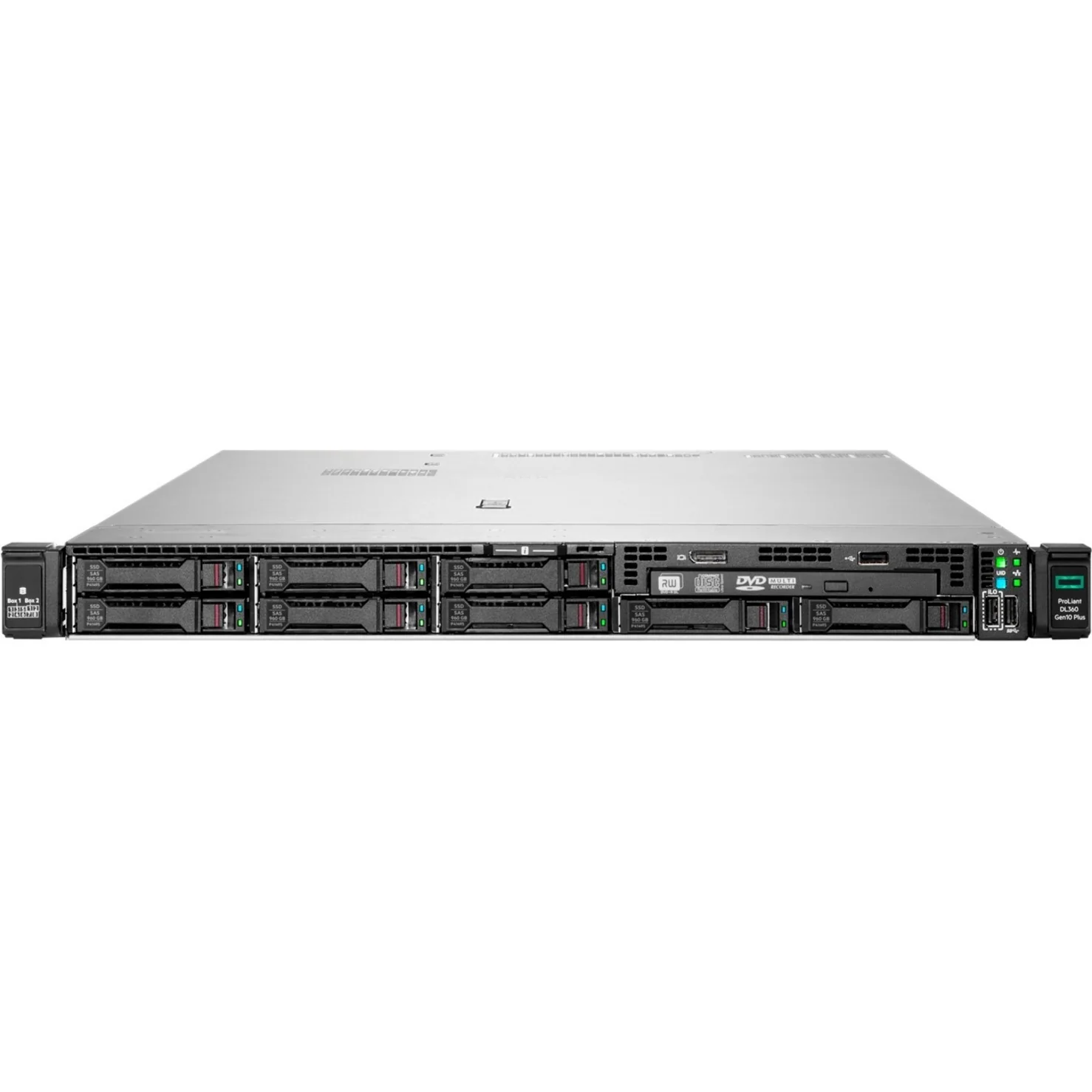
High-volume transaction environments demand exceptional server performance, where even milliseconds of delay can translate to significant business impact. The choice between DDR4 and DDR5 memory architectures fundamentally shapes how servers handle concurrent database operations, real-time payment processing, and intensive data analytics workloads. Understanding the specific performance characteristics of DDR4 and DDR5 memory in these demanding scenarios is crucial for infrastructure teams managing financial trading platforms, e-commerce systems, and enterprise resource planning environments.
Modern transaction processing systems require memory subsystems that can sustain consistent throughput while maintaining low latency characteristics under heavy concurrent access patterns. DDR4 and DDR5 memory technologies differ significantly in their approach to bandwidth delivery, power efficiency, and burst length optimization, each offering distinct advantages for specific transaction processing scenarios. The architectural differences between these memory generations directly influence server efficiency metrics including transaction throughput, response time consistency, and system scalability under peak load conditions.
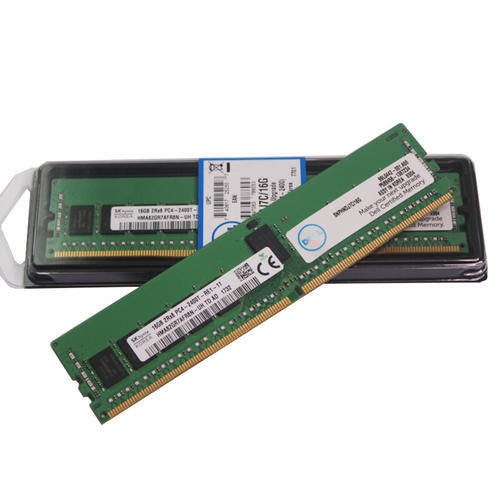
Memory Architecture Differences and Transaction Processing Impact
Bandwidth and Data Transfer Characteristics
DDR4 and DDR5 memory exhibit fundamentally different approaches to data transfer that directly impact transaction processing efficiency. DDR5 memory delivers significantly higher theoretical bandwidth, with standard configurations reaching 4800 MT/s compared to DDR4's typical 3200 MT/s speeds. This bandwidth increase translates to enhanced throughput in scenarios where servers must simultaneously process thousands of concurrent database queries or real-time financial transactions.
The burst length optimization in DDR5 memory provides particular advantages for transaction environments that handle variable-sized data packets. While DDR4 and DDR5 memory both utilize burst-oriented access patterns, DDR5's improved prefetch architecture reduces the penalty associated with non-sequential memory access patterns common in complex transaction workflows. This architectural enhancement proves especially valuable in environments processing mixed transaction types with unpredictable memory access patterns.
Server efficiency in high-volume environments benefits from DDR5's dual-channel architecture, which enables independent operation of each 32-bit subchannel. This design allows DDR4 and DDR5 memory systems to handle concurrent access requests more effectively, reducing memory controller bottlenecks that traditionally limit transaction processing scalability in demanding production environments.
Latency Characteristics Under Heavy Load
Transaction processing systems require consistent memory latency to maintain predictable response times across varying load conditions. DDR4 and DDR5 memory demonstrate different latency profiles that influence server efficiency differently depending on the specific transaction workload characteristics. DDR5 memory typically exhibits higher absolute latency values in clock cycles, but the increased operating frequency often results in similar or improved actual latency measurements in nanoseconds.
Memory access patterns in transaction environments frequently involve random access to large datasets, making memory latency a critical factor in overall system responsiveness. DDR4 and DDR5 memory systems respond differently to these access patterns, with DDR5's improved command scheduling capabilities providing better sustained performance under mixed read-write workloads typical in database transaction processing scenarios.
The impact of memory refresh operations on transaction processing reveals another distinction between DDR4 and DDR5 memory technologies. DDR5's enhanced refresh management reduces the frequency of refresh-related performance disruptions, maintaining more consistent transaction throughput during extended operational periods under high-volume processing conditions.
Power Efficiency and Thermal Management in Transaction Servers
Operating Voltage and Power Consumption Patterns
Server efficiency in transaction processing environments extends beyond pure performance metrics to include power consumption and thermal characteristics. DDR4 and DDR5 memory operate at different voltage levels, with DDR5 requiring 1.1V compared to DDR4's 1.2V standard operating voltage. This voltage reduction in DDR5 memory contributes to improved power efficiency, particularly important in dense server configurations handling continuous transaction processing workloads.
The power consumption patterns of DDR4 and DDR5 memory differ significantly during various operational phases of transaction processing. DDR5's improved power management features include more granular power states, allowing memory modules to reduce consumption during periods of lower activity while maintaining rapid response capabilities for transaction surge scenarios.
Transaction processing servers often operate in environments with strict power density limitations, making the efficiency gains from DDR5 memory particularly valuable. The cumulative power savings from deploying DDR5 memory across multiple server nodes can result in significant operational cost reductions while enabling higher transaction processing capacity within existing power infrastructure constraints.
Thermal Impact on System Reliability
High-volume transaction environments demand exceptional system reliability, where memory thermal characteristics directly influence overall server stability. DDR4 and DDR5 memory generate different thermal profiles during intensive transaction processing, with DDR5's lower operating voltage contributing to reduced heat generation despite higher performance levels.
The thermal management advantages of DDR5 memory become particularly evident in dense server configurations where multiple memory modules operate in close proximity. DDR4 and DDR5 memory systems respond differently to thermal stress, with DDR5's improved thermal design enabling sustained performance in challenging thermal environments typical of high-density transaction processing centers.
Memory thermal throttling can significantly impact transaction processing consistency, making thermal characteristics a crucial consideration in memory selection. DDR5 memory's enhanced thermal management capabilities help maintain consistent performance characteristics even during sustained high-volume transaction processing periods, reducing the risk of performance degradation during peak operational periods.
Scalability and Capacity Considerations for Transaction Workloads
Memory Density and Configuration Options
Transaction processing systems frequently require substantial memory capacity to maintain frequently accessed data in system memory, reducing dependency on slower storage systems. DDR4 and DDR5 memory technologies offer different maximum density options that directly influence server configuration flexibility and total system capacity potential in transaction processing environments.
The architectural improvements in DDR5 memory enable higher density modules while maintaining performance characteristics suitable for transaction processing workloads. DDR4 and DDR5 memory systems scale differently in terms of capacity per DIMM slot, with DDR5 offering greater potential for memory-intensive applications such as in-memory databases and real-time analytics processing commonly found in modern transaction environments.
Server efficiency benefits from higher memory density extend beyond simple capacity increases to include reduced memory module count requirements. DDR5 memory's higher density capabilities allow transaction processing servers to achieve required memory capacity with fewer physical modules, potentially improving system reliability and reducing power consumption compared to equivalent DDR4 and DDR5 memory configurations.
Multi-Channel Performance Scaling
Transaction processing servers typically utilize multi-channel memory configurations to maximize available bandwidth for concurrent database operations and real-time processing tasks. DDR4 and DDR5 memory systems demonstrate different scaling characteristics when deployed in multi-channel configurations, with DDR5's architectural improvements providing enhanced bandwidth scaling efficiency.
The memory controller interface improvements in DDR5 technology enable more efficient utilization of available memory bandwidth across multiple channels. DDR4 and DDR5 memory systems respond differently to the parallel access patterns common in high-volume transaction processing, with DDR5 generally providing better sustained throughput under concurrent multi-threaded database workloads.
Server platforms supporting both DDR4 and DDR5 memory configurations often demonstrate measurable differences in transaction processing scalability. The enhanced channel efficiency of DDR5 memory becomes particularly evident in scenarios requiring simultaneous access to large datasets, such as fraud detection systems processing real-time transaction streams alongside historical data analysis workloads.
Real-World Performance Implications in Transaction Environments
Database Query Processing Efficiency
Database-intensive transaction processing represents one of the most demanding scenarios for server memory systems, where DDR4 and DDR5 memory performance characteristics directly translate to measurable business outcomes. Complex database queries involving joins across large tables benefit significantly from DDR5's enhanced bandwidth capabilities, particularly when query execution plans require rapid access to substantial portions of the database working set.
The memory access patterns generated by modern database management systems often involve unpredictable access sequences that challenge memory subsystem efficiency. DDR4 and DDR5 memory systems respond differently to these access patterns, with DDR5's improved command queuing and scheduling capabilities providing better sustained performance during complex analytical query processing within transaction processing environments.
Transaction processing systems frequently execute mixed workloads combining online transaction processing with real-time analytics, creating complex memory access patterns that stress memory subsystem capabilities. DDR5 memory's architectural improvements provide measurable advantages in these scenarios, enabling better concurrent execution of transaction processing and analytical workloads without significant performance degradation.
Concurrency and Lock Management Impact
High-volume transaction environments rely heavily on efficient concurrency control mechanisms, where memory performance directly influences lock contention resolution and transaction isolation effectiveness. DDR4 and DDR5 memory systems exhibit different performance characteristics when supporting the rapid memory access patterns required for efficient lock management and concurrent transaction processing.
The reduced memory access latency and improved bandwidth characteristics of DDR5 memory contribute to more efficient resolution of memory-based synchronization mechanisms used in transaction processing systems. DDR4 and DDR5 memory performance differences become particularly evident during peak transaction processing periods when multiple concurrent transactions compete for shared system resources.
Transaction processing systems implementing optimistic concurrency control strategies benefit from DDR5's enhanced memory performance characteristics, enabling more efficient validation of transaction isolation requirements and reducing the overhead associated with conflict detection and resolution mechanisms critical for maintaining data consistency in high-volume processing environments.
FAQ
What specific transaction processing scenarios benefit most from DDR5 memory compared to DDR4?
DDR5 memory provides the greatest advantages in transaction processing scenarios involving large working sets, such as in-memory databases, real-time fraud detection systems, and high-frequency trading platforms. The enhanced bandwidth and improved power efficiency of DDR5 memory become particularly valuable when processing thousands of concurrent transactions requiring rapid access to substantial amounts of cached data.
How does the choice between DDR4 and DDR5 memory affect server consolidation strategies in transaction processing environments?
DDR5 memory's higher density and improved power efficiency enable greater server consolidation potential in transaction processing environments. Organizations can achieve higher transaction processing capacity per server while reducing power consumption and cooling requirements, making DDR5 memory particularly attractive for dense deployment scenarios and environments with strict power limitations.
What are the cost-performance considerations when upgrading from DDR4 to DDR5 memory in existing transaction processing infrastructure?
The cost-performance analysis for upgrading DDR4 and DDR5 memory depends heavily on specific transaction processing requirements and existing infrastructure constraints. While DDR5 memory typically commands a premium price, the improved efficiency, higher capacity options, and reduced power consumption can justify the investment in high-volume transaction environments where performance directly impacts business revenue.
Can DDR4 and DDR5 memory be mixed within the same server for transaction processing applications?
DDR4 and DDR5 memory cannot be mixed within the same server system due to fundamental electrical and architectural differences. Server platforms are designed to support either DDR4 or DDR5 memory exclusively, requiring complete memory subsystem replacement when transitioning between these technologies in transaction processing environments.
Table of Contents
- Memory Architecture Differences and Transaction Processing Impact
- Power Efficiency and Thermal Management in Transaction Servers
- Scalability and Capacity Considerations for Transaction Workloads
- Real-World Performance Implications in Transaction Environments
-
FAQ
- What specific transaction processing scenarios benefit most from DDR5 memory compared to DDR4?
- How does the choice between DDR4 and DDR5 memory affect server consolidation strategies in transaction processing environments?
- What are the cost-performance considerations when upgrading from DDR4 to DDR5 memory in existing transaction processing infrastructure?
- Can DDR4 and DDR5 memory be mixed within the same server for transaction processing applications?