
 EN
EN



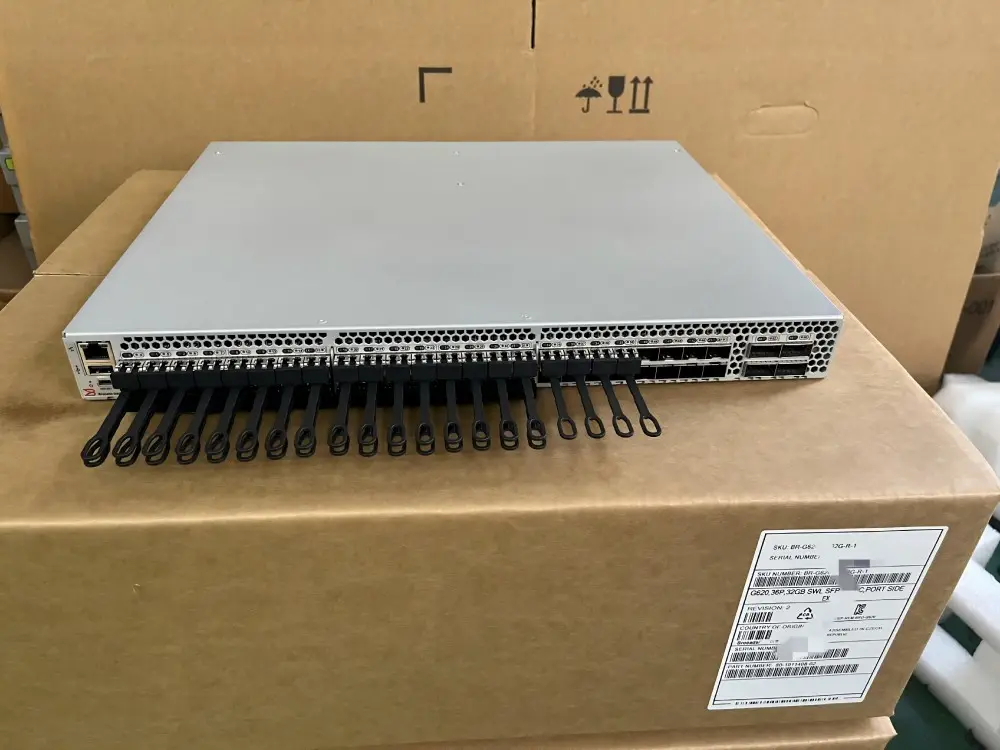
DDR5 memory represents a significant leap forward in server performance technology, fundamentally transforming how servers handle boot sequences and application loading processes. This fifth-generation memory standard delivers substantially higher bandwidth, reduced latency, and improved power efficiency compared to its predecessors, directly impacting the speed at which servers initialize and applications become operational. Understanding the specific mechanisms through which DDR5 memory accelerates these critical processes is essential for IT professionals evaluating server infrastructure upgrades.
The performance improvements achieved through DDR5 memory stem from several key technological advances that work synergistically to reduce system initialization times and accelerate application loading. These enhancements include doubled data transfer rates, improved memory architecture, and advanced power management features that collectively enable servers to process boot sequences more efficiently while simultaneously preparing system resources for faster application deployment.
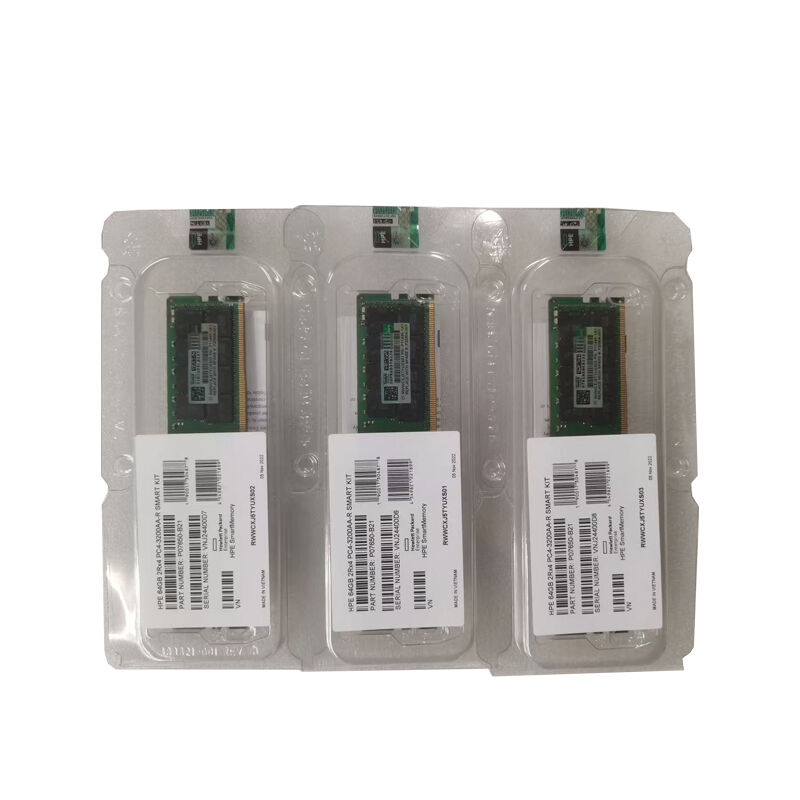
Memory Bandwidth Enhancement and Boot Sequence Acceleration
Doubled Data Transfer Rates in Server Boot Processes
DDR5 memory achieves data transfer rates starting at 4800 MT/s, representing a 50% increase over DDR4's maximum speeds. During server boot sequences, this enhanced bandwidth allows the system to load firmware, operating system components, and essential drivers significantly faster. The increased data throughput enables the processor to access critical boot files more efficiently, reducing the time required for POST (Power-On Self-Test) procedures and initial hardware detection routines.
The boot process benefits particularly from DDR5 memory's ability to handle multiple concurrent memory operations more effectively. Modern server boot sequences involve simultaneous loading of various system components, including BIOS initialization, hardware enumeration, and driver loading. The enhanced bandwidth provided by DDR5 memory ensures that these parallel processes do not create memory bottlenecks that would otherwise extend boot times.
Server administrators observe measurable improvements in cold boot times when upgrading from DDR4 to DDR5 configurations. The increased memory bandwidth translates directly into faster completion of memory-intensive boot operations, particularly in systems with large amounts of installed memory that require extensive initialization procedures.
Prefetch Architecture Improvements
DDR5 memory incorporates a 16-bit prefetch architecture, doubling the prefetch width compared to DDR4's 8-bit design. This architectural enhancement enables the memory controller to anticipate and pre-load larger blocks of data that are likely to be accessed during boot and application loading sequences. The improved prefetch capability reduces memory access latency by ensuring that required data is readily available when the processor requests it.
During server boot operations, the enhanced prefetch architecture proves particularly beneficial for loading sequential data structures such as device driver files, system libraries, and configuration databases. The memory controller can more efficiently predict and prepare these sequential access patterns, resulting in smoother and faster boot progression through various initialization stages.
Application loading scenarios also benefit from the improved prefetch architecture, especially when launching memory-intensive server applications that require substantial amounts of code and data to be loaded into system memory. The DDR5 memory system can anticipate application memory requirements more accurately, reducing the number of memory stalls that would otherwise delay application initialization.
Latency Reduction Mechanisms in System Initialization
Command and Control Signal Optimization
DDR5 memory introduces significant improvements in command and control signal processing that directly impact system boot performance. The enhanced command structure allows memory controllers to issue multiple commands more efficiently, reducing the overhead associated with memory access operations during boot sequences. This optimization is particularly noticeable during the initial phases of server startup when the system rapidly accesses various memory locations to load essential components.
The improved signal integrity in DDR5 memory modules enables more reliable high-speed operation, which translates into consistent performance during critical boot operations. Unlike DDR4 configurations that may experience slight variations in access timing under different conditions, DDR5 memory maintains more stable performance characteristics throughout the boot process, ensuring predictable initialization times.
Server boot reliability improves with DDR5 memory's enhanced error detection and correction capabilities integrated into the command structure. These features help prevent boot failures caused by transient memory errors, while simultaneously reducing the time required for memory validation procedures during system initialization.
Bank Group Architecture Enhancements
The refined bank group architecture in DDR5 memory enables more efficient parallel access to different memory segments during boot and application loading operations. This architectural improvement allows the memory controller to better distribute memory access requests across multiple bank groups, reducing conflicts and wait times that could otherwise slow down system initialization processes.
During server boot sequences, the operating system and various system components often require simultaneous access to different areas of memory. DDR5 memory's improved bank group design ensures that these concurrent memory requests can be serviced more efficiently, preventing bottlenecks that would extend boot times in systems with high memory utilization requirements.
Application loading benefits from the enhanced bank group architecture when multiple applications or services are launched simultaneously during system startup. The improved memory access distribution capabilities of DDR5 memory help prevent resource contention that could otherwise delay application initialization in complex server environments.
Power Efficiency and Thermal Management Impact
Reduced Power Consumption During Boot Operations
DDR5 memory operates at a lower voltage (1.1V) compared to DDR4's 1.2V requirement, resulting in reduced power consumption during boot operations. This power efficiency improvement has direct implications for boot time performance, as lower power consumption generates less heat and allows the memory to maintain optimal operating conditions throughout the initialization process. Cooler operating temperatures enable DDR5 memory to sustain peak performance levels during demanding boot sequences.
The power savings achieved with DDR5 memory become particularly significant in high-density server configurations where multiple memory modules operate simultaneously during boot procedures. Lower overall system power consumption reduces thermal stress on the entire memory subsystem, enabling more consistent and predictable boot performance across different environmental conditions.
Server systems equipped with DDR5 memory demonstrate improved boot reliability under varying power supply conditions. The reduced voltage requirements make the memory less sensitive to power supply fluctuations that might otherwise cause initialization delays or failures during critical boot phases.
Thermal Design Considerations for Performance
The improved thermal characteristics of DDR5 memory contribute to sustained performance during extended boot operations and application loading cycles. Better thermal management ensures that memory performance does not degrade due to temperature-related throttling, which could otherwise extend boot times in systems with demanding thermal environments.
DDR5 memory's enhanced thermal design enables more aggressive performance settings during boot operations without risking thermal-induced errors or performance degradation. This capability allows system designers to optimize boot sequences for maximum speed while maintaining reliable operation under various thermal conditions.
Server environments benefit from DDR5 memory's improved thermal efficiency through reduced cooling requirements during peak memory utilization periods such as system boot and large-scale application deployment. Lower cooling demands contribute indirectly to faster boot times by ensuring consistent memory performance throughout the initialization process.
Application Loading Performance Improvements
Memory Channel Utilization Optimization
DDR5 memory's enhanced memory channel architecture enables more efficient utilization of available memory bandwidth during application loading operations. The improved channel design allows applications to access required code and data more rapidly, reducing the time between application launch commands and full operational readiness. This enhancement proves particularly valuable in server environments where multiple applications must be loaded simultaneously during system startup procedures.
Modern server applications often require substantial amounts of memory for proper initialization, including code segments, data structures, and runtime libraries. DDR5 memory's improved channel utilization ensures that these memory-intensive loading operations can proceed without creating bandwidth bottlenecks that would otherwise delay application startup sequences.
Database applications and enterprise software packages demonstrate notable improvements in loading times when operating with DDR5 memory configurations. The enhanced memory channel performance allows these applications to initialize their memory structures more rapidly, enabling faster transition from launch to operational status.
Cache Performance and Memory Hierarchy Optimization
DDR5 memory's improved integration with processor cache hierarchies enables more efficient memory hierarchy utilization during application loading processes. The enhanced memory performance characteristics allow processors to maintain fuller cache utilization while simultaneously loading application data, resulting in more efficient overall system performance during application initialization phases.
Application loading scenarios benefit from DDR5 memory's ability to serve cache miss operations more rapidly. When applications require data that is not present in processor caches, the faster memory access times provided by DDR5 technology reduce the performance penalty associated with cache misses, enabling smoother application loading progression.
Complex server applications that utilize multiple processor cores during initialization phases experience improved loading performance due to DDR5 memory's enhanced ability to service concurrent memory requests from multiple cores simultaneously. This capability ensures that multi-threaded application loading operations can proceed efficiently without memory access bottlenecks.
System Architecture Integration Benefits
Memory Controller Interface Improvements
The enhanced memory controller interface design optimized for DDR5 memory enables more sophisticated memory access scheduling during boot and application loading operations. Modern memory controllers can better predict and optimize memory access patterns required for efficient system initialization, resulting in measurable improvements in overall boot performance characteristics.
DDR5 memory's improved interface design enables memory controllers to implement more advanced queuing and scheduling algorithms that prioritize critical boot operations while maintaining efficient handling of concurrent memory requests. This sophisticated scheduling capability ensures that essential system components receive priority memory access during time-critical initialization phases.
Server platforms equipped with DDR5-optimized memory controllers demonstrate improved boot consistency across different system configurations and loading scenarios. The enhanced interface design provides more predictable memory performance characteristics that enable system designers to optimize boot sequences for reliable operation under various conditions.
Platform Integration and Compatibility Advantages
DDR5 memory's integration with modern server platforms enables enhanced boot sequence optimization through improved coordination between memory subsystems and other platform components. The standardized interface design ensures consistent performance characteristics across different server manufacturers and configurations, enabling predictable boot performance improvements regardless of specific platform implementation details.
The forward-compatible design of DDR5 memory ensures that boot performance benefits will continue to improve as platform vendors implement enhanced memory controller features and optimization algorithms. This compatibility advantage provides long-term value for server infrastructure investments by enabling continued performance improvements through firmware and software updates.
Enterprise server environments benefit from DDR5 memory's standardized approach to performance enhancement, which enables consistent boot and application loading improvements across heterogeneous server deployments. This standardization simplifies performance planning and capacity management in complex data center environments where consistent system behavior is essential for operational efficiency.
FAQ
What specific boot time improvements can be expected when upgrading from DDR4 to DDR5 memory?
Server boot time improvements typically range from 15-30% when upgrading from DDR4 to DDR5 memory, depending on system configuration and memory capacity. The most significant improvements occur during POST procedures, driver loading, and operating system initialization phases where memory bandwidth directly impacts loading speed. Larger memory configurations tend to show more dramatic improvements due to DDR5's enhanced ability to handle extensive memory initialization procedures efficiently.
How does DDR5 memory affect application startup times in virtualized server environments?
In virtualized environments, DDR5 memory provides substantial benefits for application startup times due to its improved ability to handle concurrent memory requests from multiple virtual machines. The enhanced bandwidth and reduced latency characteristics enable hypervisors to more efficiently allocate memory resources during application loading, resulting in faster application initialization across multiple virtual machines simultaneously. Memory-intensive applications show the most significant improvements in loading times.
Are there specific server workloads that benefit more from DDR5 memory's boot and loading performance improvements?
Database servers, enterprise resource planning applications, and high-performance computing workloads demonstrate the most significant benefits from DDR5 memory's boot and loading performance improvements. These workloads typically require extensive memory initialization during startup and benefit directly from the increased bandwidth and reduced latency that DDR5 provides. Applications that load large datasets or complex code structures during initialization show particularly notable performance improvements.
Does DDR5 memory require specific BIOS or firmware optimizations to achieve maximum boot performance benefits?
While DDR5 memory provides performance improvements with standard configurations, optimal boot performance benefits require BIOS and firmware updates that include DDR5-specific optimizations. Modern server platforms include memory controller optimizations and boot sequence enhancements specifically designed to leverage DDR5's advanced features. Regular firmware updates ensure that systems can fully utilize DDR5's enhanced capabilities for boot and application loading performance.
Table of Contents
- Memory Bandwidth Enhancement and Boot Sequence Acceleration
- Latency Reduction Mechanisms in System Initialization
- Power Efficiency and Thermal Management Impact
- Application Loading Performance Improvements
- System Architecture Integration Benefits
-
FAQ
- What specific boot time improvements can be expected when upgrading from DDR4 to DDR5 memory?
- How does DDR5 memory affect application startup times in virtualized server environments?
- Are there specific server workloads that benefit more from DDR5 memory's boot and loading performance improvements?
- Does DDR5 memory require specific BIOS or firmware optimizations to achieve maximum boot performance benefits?