
 EN
EN



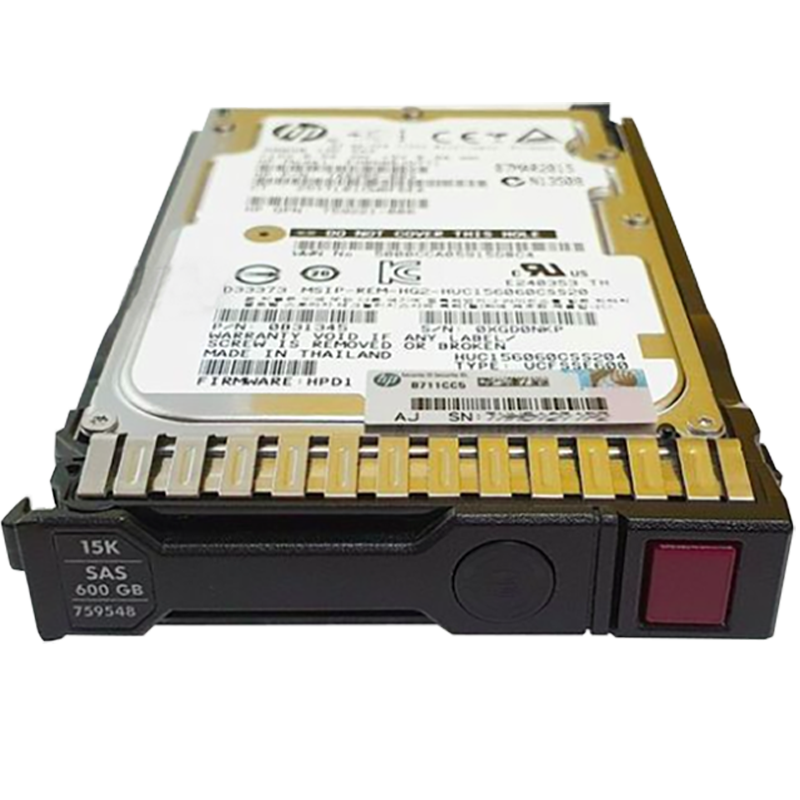
Enterprise data backup operations require robust, reliable storage infrastructure capable of handling massive volumes of information across distributed systems. Server HDDs form the backbone of these critical backup processes, providing the high-capacity, cost-effective storage foundation that modern businesses depend on for data protection and business continuity. Understanding how server HDDs enable large-scale backup operations is essential for IT administrators and decision-makers responsible for enterprise data management strategies.
The architectural design and performance characteristics of server HDDs directly influence backup efficiency, data integrity, and recovery capabilities in enterprise environments. These specialized storage devices incorporate advanced features specifically engineered to support continuous operation, high throughput demands, and the reliability requirements that distinguish enterprise backup systems from consumer-grade storage solutions. By examining the technical mechanisms and deployment strategies surrounding server HDDs, organizations can optimize their backup infrastructure for maximum performance and data protection.
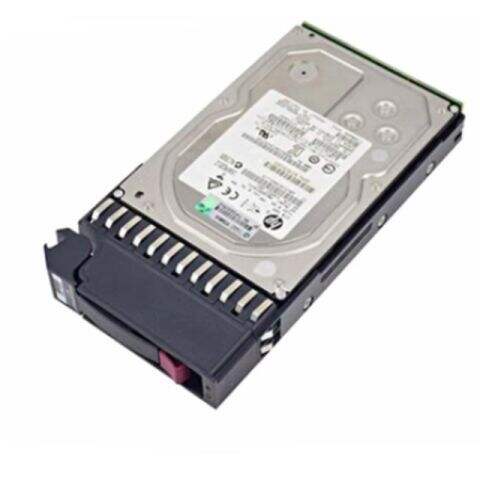
Storage Capacity and Density Advantages for Enterprise Backup
High-Capacity Drive Configurations
Server HDDs provide substantial storage capacity advantages that directly support large-scale backup operations through their ability to accommodate multiple terabytes of data per drive unit. Modern enterprise server HDDs typically offer capacities ranging from 2TB to 18TB or higher, enabling organizations to store extensive backup datasets without requiring excessive physical space or complex drive arrays. This high-capacity design reduces the total number of drives needed for backup storage, simplifying management overhead while maintaining comprehensive data protection coverage.
The density benefits of server HDDs become particularly valuable in enterprise environments where backup windows must accommodate growing data volumes without proportional increases in storage infrastructure. Higher capacity drives allow backup systems to maintain longer retention periods for historical data while supporting more frequent backup cycles for critical business information. Server HDDs achieve these capacity advantages through advanced recording technologies and optimized platter designs that maximize storage density without compromising reliability or performance characteristics essential for backup operations.
Scalable Storage Architecture
Enterprise backup systems leverage server HDDs within scalable storage architectures that accommodate business growth and evolving data protection requirements. Server HDDs support various RAID configurations and storage pooling strategies that enable organizations to expand backup capacity incrementally as data volumes increase. This scalability ensures that backup infrastructure can grow alongside business needs without requiring complete system redesigns or disruptive migration processes that could compromise data protection during transition periods.
The modular nature of server HDD deployments allows enterprises to implement tiered storage strategies where different types of server HDDs handle specific backup workloads based on performance and capacity requirements. Primary backup operations may utilize high-performance server HDDs optimized for speed and reliability, while long-term archival storage can leverage higher-capacity drives designed for cost-effective data retention. This architectural flexibility enables organizations to optimize backup costs while maintaining appropriate performance levels for different data protection scenarios.
Performance Characteristics Supporting Backup Operations
Sequential Write Performance Optimization
Server HDDs deliver optimized sequential write performance that directly supports the continuous data streaming requirements typical of large-scale backup operations. Backup workloads primarily involve writing large amounts of data sequentially to storage media, making the sustained write performance of server HDDs a critical factor in backup efficiency. Modern server HDDs achieve sequential write speeds exceeding 250 MB/s, enabling backup systems to process substantial data volumes within acceptable time windows while maintaining system responsiveness for other enterprise operations.
The write performance characteristics of server HDDs include specialized buffering and caching mechanisms that smooth out data flow variations during backup operations. These performance optimizations help maintain consistent throughput even when backup systems encounter mixed workloads or temporary spikes in data generation. Server HDDs also incorporate advanced write optimization algorithms that minimize head movement and optimize platter access patterns, reducing the mechanical overhead associated with storing large backup datasets efficiently.
Concurrent Access and Multi-Stream Support
Enterprise backup environments often require server HDDs to handle multiple concurrent backup streams from different systems or applications simultaneously. Server HDDs support this requirement through enhanced queuing mechanisms and command scheduling algorithms that efficiently manage multiple I/O requests without significant performance degradation. This capability enables backup systems to consolidate multiple data sources onto shared storage infrastructure while maintaining adequate performance levels for each backup stream.
The multi-stream support provided by server HDDs becomes particularly valuable in virtualized environments where backup operations must accommodate multiple virtual machines or distributed applications with overlapping backup schedules. Advanced server HDDs incorporate intelligent workload balancing features that prioritize backup I/O operations while maintaining system stability and preventing resource contention that could impact backup completion times or data integrity during the backup process.
Reliability and Durability Features
Enterprise-Grade Error Correction
Server HDDs incorporate sophisticated error correction and detection mechanisms specifically designed to maintain data integrity during the high-volume write operations characteristic of enterprise backup processes. These drives utilize advanced error correction codes (ECC) and redundant data verification systems that detect and correct data errors before they can compromise backup integrity. The error correction capabilities of server HDDs significantly exceed those found in desktop drives, providing the reliability levels required for mission-critical backup operations where data loss could result in substantial business impact.
The enhanced error correction features of server HDDs include real-time monitoring and reporting capabilities that alert backup systems to potential drive health issues before they result in data loss or backup failures. This proactive error detection enables IT administrators to implement preventive maintenance and drive replacement strategies that minimize the risk of backup system downtime. Server HDDs also maintain detailed error logs and performance metrics that support comprehensive backup system monitoring and troubleshooting processes.
Advanced server HDDs incorporate predictive failure analysis algorithms that continuously monitor drive performance parameters and identify trends that may indicate impending hardware failures. This predictive capability allows backup systems to automatically redirect backup operations to alternative storage resources when drive health indicators suggest potential problems, ensuring backup operations continue without interruption while replacement drives are installed and configured.
Continuous Operation Design
Enterprise backup operations often require continuous operation capabilities that exceed the design specifications of consumer-grade storage devices. Server HDDs are engineered for 24/7 operation with enhanced bearing systems, improved thermal management, and reinforced mechanical components that support sustained high-utilization workloads typical of enterprise backup environments. This continuous operation design ensures that server HDDs maintain consistent performance and reliability throughout extended backup cycles and high-demand periods.
The thermal management systems integrated into server HDDs help maintain optimal operating temperatures during intensive backup operations that generate significant heat loads. Effective thermal management prevents performance throttling and extends drive lifespan while maintaining data integrity under the demanding conditions present in enterprise data centers. Server HDDs also incorporate enhanced vibration resistance and shock protection features that maintain reliable operation in high-density server environments where multiple drives operate in close proximity.
Integration with Enterprise Backup Software and Systems
Protocol Compatibility and Interface Standards
Server HDDs support advanced interface protocols and standards that facilitate seamless integration with enterprise backup software and storage management systems. Modern server HDDs typically utilize SAS (Serial Attached SCSI) or SATA interfaces that provide high-bandwidth connectivity and support for advanced storage management features required by enterprise backup applications. These interface standards enable backup software to leverage sophisticated drive management capabilities including command queuing, error reporting, and performance monitoring functions that optimize backup efficiency.
The protocol compatibility of server HDDs extends to support for industry-standard management frameworks that enable centralized monitoring and configuration of storage resources across distributed backup infrastructure. Server HDDs provide detailed telemetry data and status information that backup management software can utilize to optimize backup scheduling, monitor system health, and implement automated failover procedures when storage issues arise. This integration capability ensures that server HDDs operate as fully manageable components within comprehensive backup management ecosystems.
Storage Management and Monitoring Integration
Enterprise backup systems rely on server HDDs that provide comprehensive management and monitoring capabilities through standardized interfaces and protocols. Server HDDs support SMART (Self-Monitoring, Analysis, and Reporting Technology) monitoring systems that continuously track drive health parameters and provide early warning indicators for potential failures. This monitoring integration enables backup software to implement intelligent data placement strategies and proactive maintenance scheduling that minimizes the risk of backup failures due to storage hardware issues.
Advanced server HDDs also support enterprise storage management protocols that enable backup systems to implement sophisticated data lifecycle management policies. These capabilities allow backup software to automatically migrate older backup data to more cost-effective storage tiers while maintaining immediate access to recent backups on high-performance server HDDs. The storage management integration provided by server HDDs enables organizations to implement comprehensive information lifecycle management strategies that optimize backup costs while maintaining appropriate data protection levels.
Cost Optimization and Total Cost of Ownership Benefits
Capacity-to-Cost Ratios
Server HDDs provide favorable capacity-to-cost ratios that enable enterprises to implement comprehensive backup strategies without excessive capital investment in storage infrastructure. The cost per gigabyte for server HDDs remains significantly lower than alternative storage technologies while providing the capacity and reliability characteristics required for enterprise backup operations. This cost advantage enables organizations to implement longer data retention policies and more frequent backup cycles without proportional increases in storage infrastructure costs.
The economic benefits of server HDDs extend beyond initial acquisition costs to include reduced operational expenses through simplified management and maintenance requirements. Higher capacity server HDDs reduce the total number of drives required for backup storage, decreasing power consumption, cooling requirements, and physical space utilization in data center environments. These operational cost reductions contribute to improved total cost of ownership calculations that make server HDDs an attractive choice for budget-conscious enterprises requiring reliable backup storage solutions.
Long-Term Value and Lifecycle Management
Server HDDs deliver long-term value through extended operational lifespans and predictable replacement cycles that support effective budget planning for backup infrastructure maintenance. Enterprise-grade server HDDs typically provide longer warranty periods and higher reliability ratings compared to consumer storage devices, reducing the frequency of drive replacements and associated maintenance costs. This reliability advantage translates to reduced total cost of ownership over the operational lifecycle of backup systems.
The lifecycle management benefits of server HDDs include support for planned obsolescence strategies that align drive replacement schedules with technology refresh cycles and capacity expansion requirements. Server HDDs maintain backward compatibility with existing storage infrastructure while providing migration paths to newer technologies as they become available. This compatibility ensures that organizations can implement gradual backup infrastructure upgrades without requiring complete system replacements that could disrupt ongoing backup operations or require significant additional investment.
FAQ
What makes server HDDs different from regular desktop drives for backup applications?
Server HDDs incorporate enhanced reliability features, continuous operation capabilities, and advanced error correction mechanisms specifically designed for enterprise environments. They support 24/7 operation with improved thermal management, higher workload ratings, and sophisticated monitoring capabilities that exceed desktop drive specifications. Server HDDs also provide better vibration resistance, longer warranty periods, and enterprise-grade firmware optimizations that ensure consistent performance during demanding backup operations.
How do server HDDs handle multiple concurrent backup streams efficiently?
Server HDDs utilize advanced command queuing mechanisms and intelligent workload scheduling algorithms that optimize performance when handling multiple concurrent I/O requests. These drives support enhanced buffering systems and cache management strategies that prevent performance degradation when multiple backup streams operate simultaneously. The sophisticated firmware in server HDDs prioritizes backup operations while maintaining system stability and preventing resource contention that could impact backup completion times.
What capacity considerations should enterprises evaluate when selecting server HDDs for backup systems?
Enterprises should evaluate current data volumes, growth projections, and retention requirements to determine appropriate server HDD capacities for backup systems. Higher capacity drives reduce the total number of drives needed while simplifying management overhead, but organizations must balance capacity against performance requirements and cost constraints. Consider implementing tiered storage strategies using different capacity server HDDs for various backup workloads to optimize both performance and cost-effectiveness across the backup infrastructure.
How do server HDDs contribute to backup system reliability and business continuity?
Server HDDs enhance backup system reliability through predictive failure analysis, comprehensive error correction, and continuous health monitoring capabilities that prevent data loss and minimize downtime. These drives support automatic failover mechanisms and provide early warning indicators that enable proactive maintenance before failures occur. The enhanced durability and continuous operation design of server HDDs ensure that backup systems maintain consistent availability for critical data protection operations that support overall business continuity requirements.
Table of Contents
- Storage Capacity and Density Advantages for Enterprise Backup
- Performance Characteristics Supporting Backup Operations
- Reliability and Durability Features
- Integration with Enterprise Backup Software and Systems
- Cost Optimization and Total Cost of Ownership Benefits
-
FAQ
- What makes server HDDs different from regular desktop drives for backup applications?
- How do server HDDs handle multiple concurrent backup streams efficiently?
- What capacity considerations should enterprises evaluate when selecting server HDDs for backup systems?
- How do server HDDs contribute to backup system reliability and business continuity?