
 EN
EN



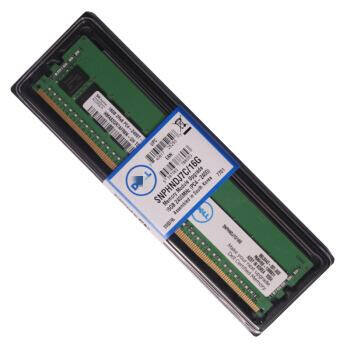
Enterprise data centers face mounting pressure to deliver higher performance while controlling operational costs. The transition to DDR5 memory represents a critical inflection point where initial hardware investments can generate substantial long-term financial returns. Understanding the comprehensive cost benefits of DDR5 memory upgrades enables IT decision-makers to build compelling business cases for infrastructure modernization that directly impacts the bottom line.
The financial implications of DDR5 memory adoption extend far beyond the upfront procurement costs. Server operators who strategically implement DDR5 memory can realize significant operational savings through reduced power consumption, improved server consolidation ratios, and enhanced application performance that translates to measurable productivity gains. This comprehensive analysis examines the quantifiable cost benefits that make DDR5 memory upgrades a financially sound investment for modern server environments.
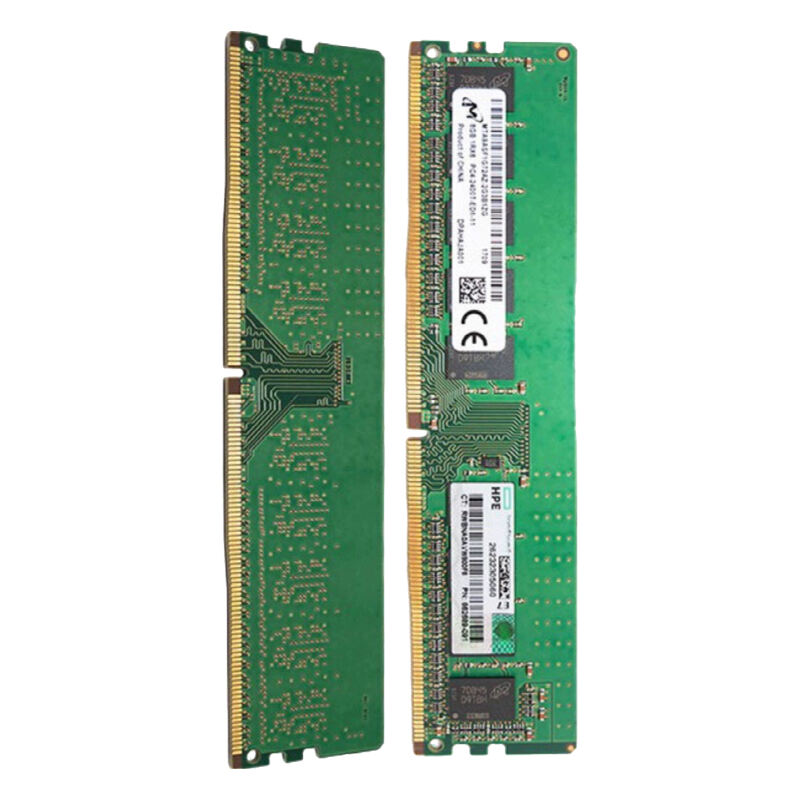
Direct Hardware Cost Savings Through DDR5 Memory Implementation
Server Consolidation and Reduced Hardware Footprint
DDR5 memory enables substantial server consolidation opportunities that directly reduce hardware acquisition costs. The improved bandwidth and capacity characteristics of DDR5 memory allow organizations to handle equivalent workloads with fewer physical servers. A typical enterprise running memory-intensive applications on DDR4 systems can often consolidate three legacy servers into two DDR5-equipped systems while maintaining or improving performance levels.
This consolidation translates to immediate capital expenditure savings ranging from 20% to 35% on new server purchases. Organizations planning datacenter expansions can significantly reduce the total number of server units required when deploying DDR5 memory configurations. The higher memory density and performance characteristics mean that fewer servers can handle the same computational workloads that previously required larger hardware deployments.
The reduced hardware footprint also generates ongoing savings in rack space utilization, cooling infrastructure requirements, and network switching capacity. Each eliminated server represents savings in power distribution units, network connections, and physical datacenter real estate. These cumulative hardware cost reductions often justify the premium price differential between DDR4 and DDR5 memory within the first year of deployment.
Extended Hardware Lifecycle and Depreciation Benefits
DDR5 memory significantly extends the useful lifecycle of server hardware investments. Servers equipped with DDR5 memory demonstrate superior performance headroom that delays obsolescence and extends depreciation schedules. Organizations typically achieve 18 to 24 months of additional productive service life from DDR5-equipped servers compared to equivalent DDR4 configurations.
The enhanced performance characteristics of DDR5 memory ensure that servers remain competitive with evolving application demands for extended periods. This extended lifecycle reduces the frequency of major hardware refresh cycles, spreading capital investments over longer timeframes. The improved performance also maintains adequate service levels as application workloads naturally increase over time.
Financial planning benefits from this extended lifecycle include reduced annual depreciation expenses and improved return on invested capital. Organizations can defer major server replacement projects while maintaining competitive performance levels. The extended useful life also provides more time to accumulate replacement funding and plan strategic technology transitions.
Operational Cost Reductions from DDR5 Memory Efficiency
Power Consumption and Energy Cost Savings
DDR5 memory delivers measurable power efficiency improvements that generate ongoing operational cost savings. The advanced power management features and optimized voltage requirements of DDR5 memory reduce per-server power consumption by approximately 10% to 15% compared to equivalent DDR4 configurations. This power reduction compounds across entire server fleets to generate substantial energy cost savings.
The power efficiency gains become particularly significant in large-scale deployments where hundreds or thousands of servers operate continuously. A typical enterprise datacenter with 500 servers can realize annual electricity cost savings of $25,000 to $40,000 through DDR5 memory deployment. These savings continue throughout the entire server lifecycle, creating cumulative financial benefits that often exceed the initial memory upgrade costs.
Reduced power consumption also decreases cooling infrastructure requirements, creating additional operational savings. The lower heat generation from DDR5 memory reduces HVAC system workload and extends cooling equipment lifespan. These secondary power savings can add another 5% to 8% to the total energy cost reduction achieved through DDR5 memory adoption.
Maintenance and Support Cost Optimization
DDR5 memory incorporates advanced error correction and reliability features that reduce maintenance costs and support overhead. The enhanced error correction capabilities minimize system downtime and reduce the frequency of memory-related hardware failures. Organizations typically experience 30% to 40% fewer memory-related support incidents after upgrading to DDR5 memory configurations.
The improved reliability characteristics translate to reduced IT support staff time spent on troubleshooting and hardware replacement activities. The advanced diagnostic capabilities built into DDR5 memory modules enable faster problem identification and resolution when issues do occur. This efficiency improvement reduces both internal support costs and external service contract expenses.
Proactive monitoring capabilities in DDR5 memory systems enable predictive maintenance strategies that prevent costly unplanned downtime. The ability to identify potential memory issues before they cause system failures reduces emergency support costs and minimizes business disruption. These reliability improvements contribute significantly to the total cost of ownership benefits realized through DDR5 memory adoption.
Performance-Driven Financial Returns from DDR5 Memory
Application Performance and Productivity Gains
The superior performance characteristics of DDR5 memory generate measurable productivity improvements that translate directly to financial returns. Database applications, virtualization platforms, and analytics workloads demonstrate 15% to 25% performance improvements when migrated to DDR5 memory configurations. These performance gains enable organizations to process more transactions, support additional users, and complete computational tasks faster.
The productivity improvements from DDR5 memory deployment often justify the upgrade costs through increased business throughput alone. Organizations running customer-facing applications can serve more concurrent users without additional server investments. Backend processing systems complete batch jobs faster, enabling more frequent data updates and improved business intelligence capabilities.
Memory-intensive applications particularly benefit from the increased bandwidth and reduced latency characteristics of DDR5 memory. Scientific computing, financial modeling, and real-time analytics applications demonstrate significant performance improvements that enable new business capabilities. The ability to process larger datasets or run more complex models can create competitive advantages that generate substantial revenue opportunities.
Virtualization Density and License Cost Optimization
DDR5 memory enables higher virtualization density ratios that optimize software licensing costs. The improved performance and capacity characteristics allow organizations to run more virtual machines per physical server while maintaining adequate performance levels. This increased density reduces the number of processor licenses required for enterprise software deployments.
Software licensing represents a significant ongoing operational expense for most enterprise organizations. The ability to achieve equivalent virtual machine counts with fewer physical servers directly reduces per-socket licensing costs for database management systems, enterprise applications, and virtualization platforms. These licensing savings can amount to thousands of dollars annually per eliminated server.
The enhanced memory performance also enables more aggressive resource allocation strategies in virtualized environments. Virtual machines can be provisioned with higher memory allocations without degrading overall system performance. This capability improves application performance and user satisfaction while maximizing the utilization of expensive software licenses.
Strategic Financial Planning Benefits of DDR5 Memory Investment
Budget Predictability and Capital Efficiency
DDR5 memory investments provide improved budget predictability through extended hardware lifecycles and reduced maintenance costs. Organizations can develop more accurate long-term capital expenditure forecasts when deploying DDR5 memory configurations. The extended useful life and improved reliability characteristics reduce the uncertainty associated with hardware replacement timing and emergency repair expenses.
The superior performance headroom provided by DDR5 memory enables organizations to defer server upgrades while maintaining competitive application performance. This deferral capability provides flexibility in capital budget allocation and enables strategic timing of major infrastructure investments. Organizations can align hardware refresh cycles with business growth patterns and budget availability rather than being forced by performance constraints.
Capital efficiency improvements from DDR5 memory deployment enable organizations to redirect IT budget resources toward strategic initiatives rather than maintenance activities. The reduced operational overhead frees up funding for innovation projects, application development, and business expansion activities. This strategic budget reallocation can generate significant competitive advantages and revenue growth opportunities.
Risk Mitigation and Financial Contingency Benefits
DDR5 memory deployment reduces financial risks associated with hardware failures and performance inadequacy. The enhanced reliability characteristics minimize the probability of costly emergency repairs and unplanned replacement expenses. Organizations experience fewer budget surprises and emergency procurement situations when operating DDR5 memory configurations.
The superior performance characteristics of DDR5 memory provide a financial safety margin against unexpected workload increases or application demands. Organizations can accommodate business growth and changing requirements without immediate additional hardware investments. This performance buffer reduces the financial risk of inadequate infrastructure capacity during critical business periods.
Disaster recovery and business continuity planning also benefit from DDR5 memory investments. The faster recovery times and improved reliability characteristics reduce the potential financial impact of system failures and data center outages. The enhanced performance enables more efficient backup and replication processes, reducing the infrastructure requirements for disaster recovery sites.
FAQ
How quickly can organizations expect to see return on investment from DDR5 memory upgrades?
Most organizations realize positive return on investment from DDR5 memory upgrades within 12 to 18 months. The combination of power savings, reduced hardware requirements, and improved performance typically generates sufficient cost savings to offset the initial upgrade investment. Organizations with high-density server deployments or energy-intensive operations often achieve ROI in as little as 8 to 12 months.
What percentage of total server costs can be reduced through DDR5 memory implementation?
DDR5 memory implementation typically reduces total cost of ownership by 15% to 25% over a three-year period. This reduction comes from combined savings in hardware consolidation, power consumption, maintenance costs, and software licensing optimization. Organizations with memory-intensive workloads often achieve even higher cost reduction percentages due to the substantial performance improvements.
Are the cost benefits of DDR5 memory consistent across different server configurations and workloads?
Cost benefits vary based on specific workload characteristics and server configurations, but DDR5 memory consistently delivers financial advantages across most enterprise scenarios. Memory-intensive applications, virtualized environments, and high-transaction workloads typically achieve the highest cost benefits. Even general-purpose server applications demonstrate measurable cost reductions through improved power efficiency and reliability.
How do DDR5 memory cost benefits compare to other server upgrade options?
DDR5 memory upgrades often provide superior cost-benefit ratios compared to processor upgrades or storage system improvements. The combination of immediate performance gains and ongoing operational savings makes memory upgrades particularly attractive from a financial perspective. DDR5 memory investments also complement other infrastructure improvements by maximizing the effectiveness of existing processor and storage investments.
Table of Contents
- Direct Hardware Cost Savings Through DDR5 Memory Implementation
- Operational Cost Reductions from DDR5 Memory Efficiency
- Performance-Driven Financial Returns from DDR5 Memory
- Strategic Financial Planning Benefits of DDR5 Memory Investment
-
FAQ
- How quickly can organizations expect to see return on investment from DDR5 memory upgrades?
- What percentage of total server costs can be reduced through DDR5 memory implementation?
- Are the cost benefits of DDR5 memory consistent across different server configurations and workloads?
- How do DDR5 memory cost benefits compare to other server upgrade options?