
 EN
EN



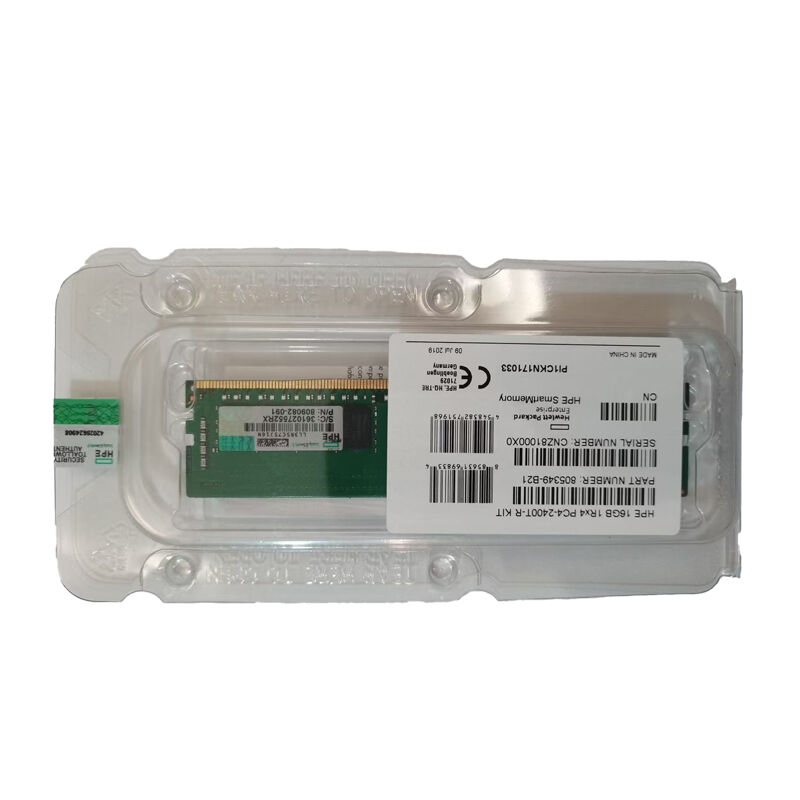
High-frequency server operations demand unprecedented levels of memory performance, bandwidth, and efficiency to handle modern computational workloads. As enterprise environments increasingly rely on real-time data processing, virtualization, and high-performance computing applications, the memory subsystem has become a critical bottleneck that directly impacts overall system performance. DDR5 memory represents a transformative leap forward in server memory technology, offering substantial improvements over previous generations that specifically address the demanding requirements of high-frequency server operations.
The transition to DDR5 memory technology brings measurable benefits that directly translate to enhanced server performance, improved operational efficiency, and better resource utilization in enterprise computing environments. Understanding these specific advantages enables IT decision-makers to make informed choices about memory upgrades and new server deployments. This comprehensive analysis explores the concrete benefits that DDR5 memory delivers for high-frequency server operations, examining both immediate performance gains and long-term operational advantages.
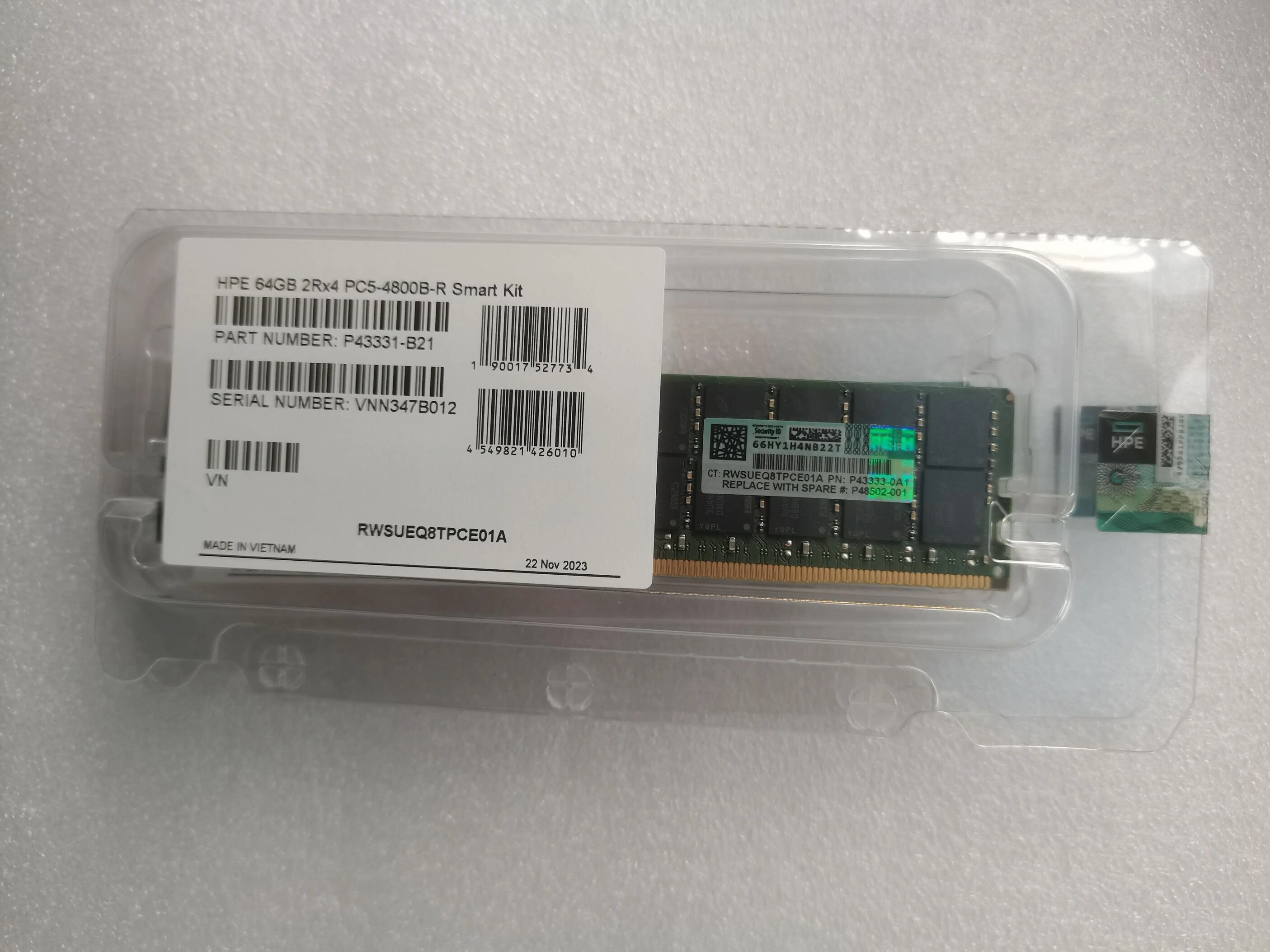
Enhanced Bandwidth and Data Transfer Capabilities
Doubled Data Transfer Rates
DDR5 memory delivers significantly higher data transfer rates compared to DDR4, with standard speeds starting at 4800 MT/s and extending to 6400 MT/s and beyond. This represents a substantial improvement over DDR4's typical operating range of 2133-3200 MT/s. For high-frequency server operations, this increased bandwidth translates directly to faster data movement between the CPU and memory subsystem, reducing wait times and improving overall system responsiveness.
The enhanced data transfer capabilities of DDR5 memory become particularly evident in applications that require continuous high-volume data processing. Database servers, analytics platforms, and real-time transaction processing systems benefit from the increased throughput, as more data can be moved per clock cycle. This improvement reduces memory-bound bottlenecks that commonly limit performance in data-intensive server applications.
High-frequency server operations often involve multiple concurrent processes accessing memory simultaneously. DDR5 memory addresses this challenge with improved bank group architecture and enhanced prefetch capabilities, allowing for more efficient parallel data access patterns that support demanding multi-threaded server workloads.
Improved Memory Channel Efficiency
DDR5 memory incorporates architectural improvements that enhance memory channel utilization efficiency. The technology features improved command scheduling and optimized burst lengths that reduce idle cycles and maximize useful data transmission. These enhancements are particularly beneficial for server applications that exhibit irregular memory access patterns or require frequent random memory operations.
Server virtualization environments benefit significantly from DDR5 memory's improved channel efficiency. When multiple virtual machines compete for memory resources, the enhanced scheduling capabilities help maintain consistent performance across all virtual instances. This results in more predictable response times and better quality of service for critical applications running in virtualized server environments.
The architectural improvements in DDR5 memory also include enhanced error correction capabilities and improved signal integrity mechanisms. These features contribute to more reliable data transmission at higher frequencies, ensuring that the increased bandwidth comes with maintained data integrity and system stability essential for mission-critical server operations.
Superior Power Efficiency and Thermal Management
Reduced Operating Voltage Requirements
DDR5 memory operates at a reduced voltage of 1.1V compared to DDR4's 1.2V requirement, representing a significant improvement in power efficiency. This voltage reduction, combined with improved manufacturing processes, results in lower power consumption per bit of data processed. For high-frequency server operations running continuously, this translates to measurable reductions in operational costs and improved energy efficiency ratings.
The power efficiency benefits of DDR5 memory extend beyond simple voltage reductions. The technology incorporates advanced power management features including improved deep sleep modes and more granular power state controls. These capabilities enable servers to reduce memory power consumption during periods of lower activity while maintaining rapid wake-up times when full performance is required.
Data centers operating large numbers of servers equipped with DDR5 memory can realize substantial aggregate power savings. The reduced power consumption translates directly to lower electricity costs and reduced cooling requirements, making DDR5 memory an environmentally responsible choice for sustainable data center operations while maintaining high-performance capabilities.
Enhanced Thermal Characteristics
The improved power efficiency of DDR5 memory results in lower heat generation during operation, which is particularly important for high-density server configurations. Reduced thermal output helps maintain optimal operating temperatures within server chassis, contributing to improved system reliability and component longevity. This thermal advantage becomes increasingly important as server configurations incorporate higher memory densities.
High-frequency server operations often require sustained peak performance over extended periods. DDR5 memory's superior thermal characteristics enable servers to maintain consistent performance without thermal throttling that could impact critical applications. The reduced heat generation also allows for more aggressive server configurations without compromising thermal management requirements.
The thermal benefits of DDR5 memory contribute to improved overall system reliability in demanding server environments. Lower operating temperatures reduce thermal stress on memory modules and surrounding components, potentially extending hardware lifecycle and reducing maintenance requirements. This reliability improvement is particularly valuable for servers supporting mission-critical applications that require high availability.
Increased Memory Capacity and Scalability
Higher Density Memory Modules
DDR5 memory technology supports significantly higher memory densities per module compared to DDR4, with individual modules available in capacities up to 128GB and potentially higher. This increased density enables servers to achieve greater total memory capacity within the same physical constraints, supporting applications that require large memory footprints for optimal performance.
The higher density capabilities of DDR5 memory are particularly beneficial for applications such as in-memory databases, large-scale analytics platforms, and high-performance computing workloads. These applications can maintain larger datasets in active memory, reducing reliance on slower storage systems and improving overall application response times. The increased capacity also supports more virtual machines per physical server in virtualized environments.
Server configurations utilizing DDR5 memory can achieve memory capacities that were previously impractical with DDR4 technology. This scalability advantage enables organizations to deploy fewer physical servers while maintaining the same aggregate memory capacity, resulting in reduced data center footprint and simplified infrastructure management.
Improved Memory Architecture Flexibility
DDR5 memory incorporates architectural improvements that provide greater flexibility in memory configuration and optimization. The technology supports more sophisticated memory interleaving schemes and improved bank group organization that can be tuned for specific application requirements. This flexibility enables system administrators to optimize memory configurations for particular workload characteristics.
The enhanced architecture of DDR5 memory includes support for more memory channels per processor, enabling higher aggregate bandwidth and improved parallelism for memory-intensive applications. High-frequency server operations benefit from this increased parallelism through reduced memory access latencies and improved concurrent processing capabilities.
Advanced memory management features in DDR5 memory include improved refresh mechanisms and enhanced error correction capabilities. These features contribute to better memory reliability and data integrity, which are essential requirements for servers supporting critical business applications and high-frequency transaction processing systems.
Performance Optimization for Specific Server Workloads
Database and Analytics Performance Enhancement
Database servers and analytics platforms represent primary beneficiaries of DDR5 memory performance improvements. The increased bandwidth and reduced latency characteristics of DDR5 memory directly translate to faster query execution times and improved concurrent user support. Database applications that frequently access large datasets experience measurable performance improvements when migrating to DDR5 memory configurations.
Real-time analytics applications particularly benefit from DDR5 memory's enhanced performance characteristics. The ability to process larger datasets in memory combined with faster data access speeds enables more sophisticated analytical operations within acceptable time constraints. This capability is increasingly important for applications requiring real-time business intelligence and decision support.
The improved memory bandwidth of DDR5 memory supports more efficient data compression and decompression operations commonly used in database and analytics applications. Higher memory throughput enables these applications to maintain performance while utilizing compression techniques that reduce storage requirements and improve overall system efficiency.
Virtualization and Cloud Computing Benefits
Server virtualization environments realize significant benefits from DDR5 memory deployment, particularly in supporting higher virtual machine densities and improved resource utilization. The increased memory capacity and bandwidth enable individual physical servers to support more virtual machines while maintaining acceptable performance levels for each instance.
Cloud computing platforms benefit from DDR5 memory's improved power efficiency and performance characteristics when supporting multi-tenant environments. The enhanced performance consistency helps maintain service level agreements across multiple customers while the improved power efficiency contributes to operational cost reductions that can be passed on to customers.
Container orchestration platforms and microservices architectures benefit from DDR5 memory's lower latency and higher bandwidth characteristics. These modern application deployment patterns often involve frequent memory allocation and deallocation operations that benefit from improved memory subsystem performance and efficiency.
FAQ
How much performance improvement can servers expect when upgrading from DDR4 to DDR5 memory?
Servers upgrading from DDR4 to DDR5 memory typically experience 15-30% performance improvements in memory-intensive applications, with specific gains varying based on workload characteristics. Applications with high memory bandwidth requirements, such as database servers and analytics platforms, often see performance improvements at the higher end of this range. The actual performance gain depends on factors including the specific DDR4 and DDR5 speeds being compared, application memory access patterns, and overall system configuration.
Is DDR5 memory compatible with existing DDR4 server platforms?
DDR5 memory is not backward compatible with DDR4 server platforms due to different physical pin configurations, electrical requirements, and architectural changes. Upgrading to DDR5 memory requires new server hardware specifically designed to support DDR5 technology, including compatible motherboards, processors, and memory controllers. Organizations planning DDR5 adoption must factor in complete system upgrades rather than simple memory module replacements.
What are the cost considerations for implementing DDR5 memory in server environments?
DDR5 memory currently carries a premium cost compared to mature DDR4 technology, though pricing continues to decrease as production volumes increase. The initial investment in DDR5 memory and compatible server platforms should be evaluated against the performance benefits, power savings, and potential consolidation opportunities that DDR5 enables. Many organizations find that the operational efficiency gains and improved application performance justify the additional investment, particularly for performance-critical server applications.
When should organizations consider migrating to DDR5 memory for their server infrastructure?
Organizations should consider DDR5 memory migration when deploying new servers for memory-intensive applications, expanding virtualization environments, or when existing servers approach end-of-life replacement cycles. The decision should be based on specific application requirements, performance constraints with current DDR4 systems, and total cost of ownership considerations including power savings and improved efficiency. Organizations running high-frequency trading systems, real-time analytics, or large-scale databases typically benefit most from early DDR5 adoption.
Table of Contents
- Enhanced Bandwidth and Data Transfer Capabilities
- Superior Power Efficiency and Thermal Management
- Increased Memory Capacity and Scalability
- Performance Optimization for Specific Server Workloads
-
FAQ
- How much performance improvement can servers expect when upgrading from DDR4 to DDR5 memory?
- Is DDR5 memory compatible with existing DDR4 server platforms?
- What are the cost considerations for implementing DDR5 memory in server environments?
- When should organizations consider migrating to DDR5 memory for their server infrastructure?