
 EN
EN



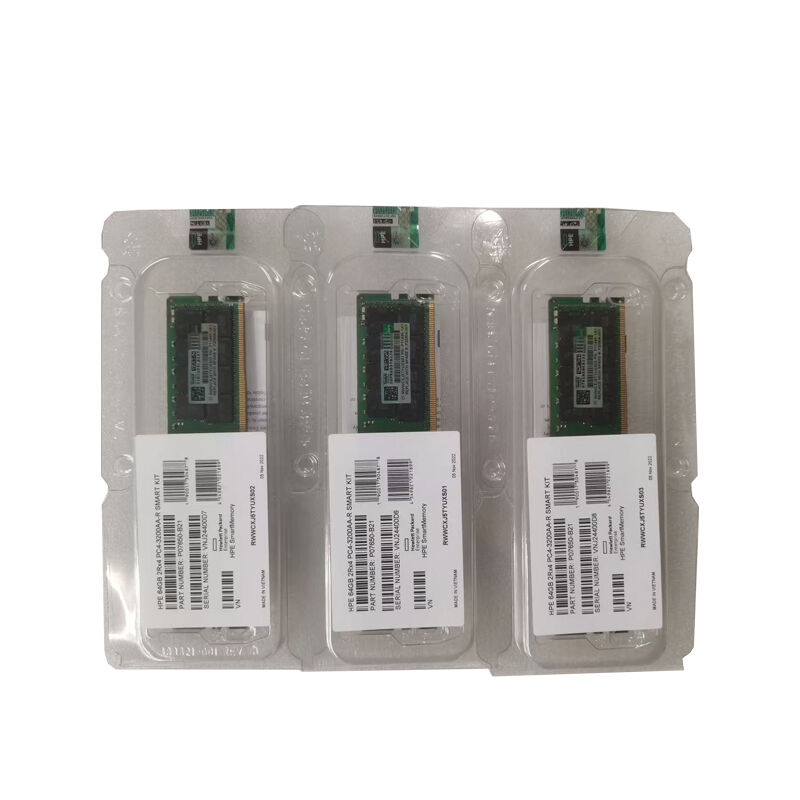
DDR5 memory represents a fundamental shift in how next-generation enterprise servers handle data processing, storage, and computational workloads. As organizations increasingly rely on data-intensive applications, artificial intelligence, and real-time analytics, the role of DDR5 memory becomes critical in delivering the performance, efficiency, and scalability that modern enterprise environments demand. This advanced memory technology addresses the growing gap between processor capabilities and memory bandwidth that has constrained server performance for years.
Next-generation enterprise servers built around DDR5 memory architecture deliver unprecedented levels of performance optimization, energy efficiency, and data throughput capacity. The integration of DDR5 memory enables these servers to support emerging technologies like machine learning inference, large-scale virtualization, and high-frequency trading applications that require minimal latency and maximum memory bandwidth. Understanding the specific role DDR5 memory plays in these advanced server systems helps organizations make informed decisions about their infrastructure investments and performance expectations.
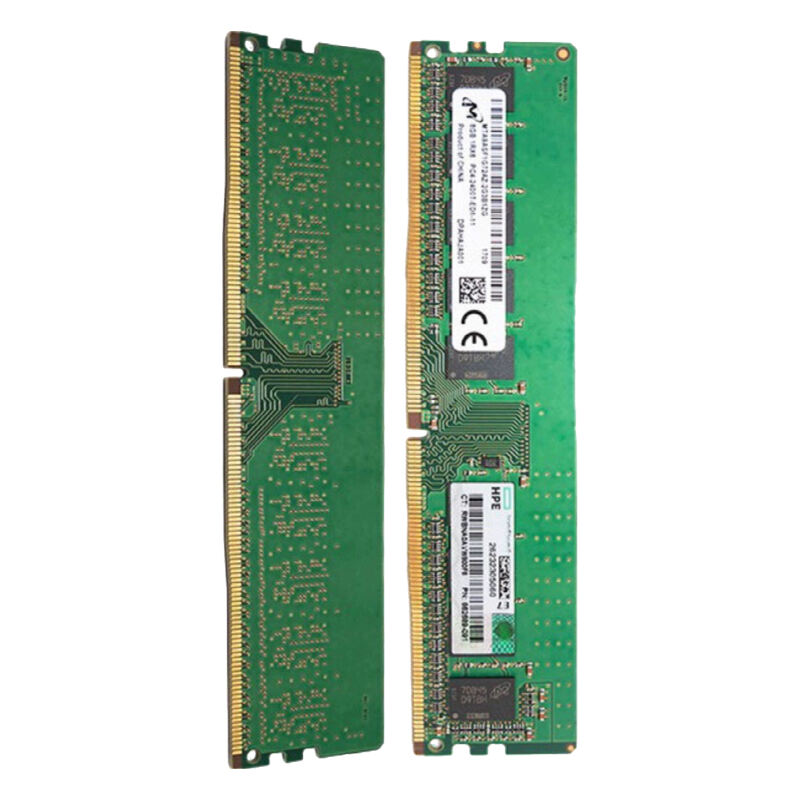
Enhanced Performance Architecture
Bandwidth Multiplication and Data Transfer Rates
DDR5 memory fundamentally transforms server performance through its doubled bandwidth capacity compared to DDR4 technology. In next-generation enterprise servers, DDR5 memory delivers data transfer rates starting at 4800 MT/s, with high-performance modules reaching 6400 MT/s or higher. This bandwidth increase directly translates to improved application response times, faster database query processing, and enhanced multi-user concurrent access capabilities across enterprise workloads.
The architecture of DDR5 memory enables next-generation servers to handle larger datasets in active memory, reducing the frequency of storage I/O operations that typically create performance bottlenecks. Enterprise applications that process real-time data streams, such as financial trading systems or IoT sensor networks, benefit significantly from the increased memory bandwidth that DDR5 memory provides. This enhanced data flow capacity allows servers to maintain consistent performance levels even under peak computational loads.
Multi-Channel Memory Configuration Benefits
Next-generation enterprise servers leverage DDR5 memory through advanced multi-channel configurations that maximize memory subsystem efficiency. The dual-channel architecture within individual DDR5 memory modules effectively doubles the memory channels available to server processors, enabling more parallel data operations and reduced memory access conflicts. This architectural improvement becomes particularly important in servers running virtualized environments where multiple virtual machines compete for memory resources simultaneously.
The role of DDR5 memory in supporting higher memory channel counts enables enterprise servers to scale their memory capacity while maintaining optimal performance characteristics. Server platforms designed for DDR5 memory can support eight or more memory channels per processor socket, allowing organizations to configure systems with terabytes of high-performance memory. This scalability ensures that next-generation enterprise servers can accommodate growing data processing requirements without compromising system responsiveness or reliability.
Power Efficiency and Thermal Management
Voltage Reduction Impact on Data Center Operations
DDR5 memory operates at 1.1 volts compared to the 1.2 volts required by DDR4, delivering significant power savings across next-generation enterprise server deployments. This voltage reduction translates to measurable decreases in total cost of ownership for data center operations, particularly in large-scale server farms where hundreds or thousands of memory modules operate continuously. The cumulative power savings from DDR5 memory deployment can result in substantial reductions in electricity costs and cooling infrastructure requirements.
Enterprise servers equipped with DDR5 memory generate less heat during operation, allowing data centers to optimize their cooling systems more effectively. The reduced thermal output from DDR5 memory modules enables higher server density configurations within existing cooling infrastructure, maximizing data center space utilization while maintaining optimal operating temperatures. This thermal efficiency becomes increasingly important as organizations seek to improve their environmental sustainability metrics and reduce carbon footprint from IT operations.
Advanced Power Management Features
The role of DDR5 memory in next-generation enterprise servers extends to sophisticated power management capabilities that optimize energy consumption based on workload demands. DDR5 memory modules include enhanced power management states that allow individual memory banks to enter low-power modes when not actively accessed, further reducing overall system power consumption. These dynamic power management features enable enterprise servers to maintain high performance during peak usage periods while conserving energy during lower-demand operational phases.
Next-generation enterprise servers utilize DDR5 memory power management features to implement more granular control over system-wide energy consumption. The memory subsystem can coordinate with processor power states and storage system activity to create comprehensive power optimization strategies. This coordination enables enterprise servers to meet stringent energy efficiency requirements while maintaining the performance levels necessary for mission-critical applications and services.
Reliability and Error Correction Capabilities
Enhanced Error Correction Code Implementation
DDR5 memory incorporates advanced error correction capabilities that significantly improve the reliability profile of next-generation enterprise servers. The on-die ECC (Error Correction Code) feature built into DDR5 memory provides real-time error detection and correction at the memory module level, reducing the likelihood of data corruption and system crashes. This enhanced error correction capability becomes essential for enterprise servers handling critical business data and applications where system downtime can result in significant financial losses.
Enterprise servers utilizing DDR5 memory benefit from dual-layer error protection through both on-die ECC and traditional system-level ECC mechanisms. This redundant error correction approach ensures that next-generation servers can maintain operational continuity even when encountering memory errors that might compromise system stability in older memory technologies. The role of DDR5 memory in providing this enhanced reliability makes it particularly suitable for enterprise applications requiring high availability and data integrity guarantees.
Memory Module Monitoring and Diagnostics
Next-generation enterprise servers leverage DDR5 memory thermal sensors and performance monitoring capabilities to implement predictive maintenance strategies. DDR5 memory modules include built-in temperature monitoring that enables server management systems to track memory operating conditions and identify potential reliability issues before they impact system performance. This monitoring capability allows IT administrators to proactively address memory-related issues and optimize server configurations for maximum reliability.
The diagnostic capabilities integrated into DDR5 memory enable next-generation enterprise servers to provide detailed telemetry data about memory subsystem health and performance characteristics. Server management software can utilize this information to generate alerts about potential memory issues, track memory performance trends over time, and optimize memory allocation strategies for different workload types. This enhanced visibility into memory subsystem operations helps organizations maintain higher system availability and reduce unplanned downtime incidents.
Scalability and Future-Proofing Advantages
Memory Capacity Expansion Potential
DDR5 memory enables next-generation enterprise servers to support significantly larger memory configurations than previous memory technologies. The enhanced addressing capabilities of DDR5 memory allow individual modules to reach capacities of 128GB or higher, enabling servers to support multiple terabytes of system memory within standard form factors. This capacity expansion potential ensures that enterprise servers can accommodate growing data processing requirements and memory-intensive applications without requiring complete hardware platform replacements.
The role of DDR5 memory in supporting higher memory densities enables organizations to deploy more capable servers within existing data center footprints. Next-generation enterprise servers can consolidate workloads that previously required multiple systems, improving resource utilization efficiency and reducing infrastructure complexity. This consolidation capability becomes particularly valuable for organizations implementing server virtualization strategies or deploying containerized applications that benefit from large shared memory pools.
Technology Evolution and Compatibility
Next-generation enterprise servers built around DDR5 memory architecture provide a foundation for future technology upgrades and performance enhancements. The DDR5 memory specification includes provisions for speed grades and feature enhancements that will emerge over the technology's lifecycle, ensuring that servers deployed today can benefit from future memory performance improvements. This forward compatibility reduces the need for frequent hardware refresh cycles and extends the useful life of enterprise server investments.
Enterprise servers designed for DDR5 memory incorporate architectural features that support emerging computational paradigms such as artificial intelligence acceleration and edge computing applications. The high bandwidth and low latency characteristics of DDR5 memory enable these servers to effectively support AI inference workloads, real-time data processing applications, and other performance-sensitive use cases that represent the future direction of enterprise computing. This technological alignment ensures that organizations investing in DDR5-based servers are well-positioned to adopt new applications and services as they become available.
FAQ
How does DDR5 memory improve database server performance compared to DDR4?
DDR5 memory improves database server performance through increased bandwidth that allows faster data retrieval and query processing. The doubled memory bandwidth enables database servers to handle more concurrent users, process larger datasets in memory, and reduce query response times. Additionally, the enhanced error correction capabilities of DDR5 memory provide better data integrity for mission-critical database operations.
What power savings can organizations expect from deploying DDR5 memory in enterprise servers?
Organizations can expect power savings of approximately 8-10% from DDR5 memory compared to DDR4 due to the reduced operating voltage and improved power management features. In large data center deployments, these savings can translate to significant reductions in electricity costs and cooling requirements. The actual power savings depend on server configuration, workload characteristics, and memory utilization patterns.
Can existing enterprise servers be upgraded to use DDR5 memory modules?
Existing enterprise servers cannot be upgraded to use DDR5 memory modules due to fundamental differences in memory controller architecture, pin configuration, and electrical specifications. DDR5 memory requires new server platforms specifically designed to support the technology. Organizations looking to adopt DDR5 memory must invest in next-generation server hardware that includes DDR5-compatible memory controllers and motherboard designs.
What memory capacities are available for DDR5 enterprise server modules?
DDR5 memory modules for enterprise servers are currently available in capacities ranging from 16GB to 128GB per module, with higher capacities expected as the technology matures. Enterprise servers can typically support 12-24 memory module slots per processor socket, enabling total system memory configurations of several terabytes. The specific memory capacity limits depend on the server platform and processor specifications.
Table of Contents
- Enhanced Performance Architecture
- Power Efficiency and Thermal Management
- Reliability and Error Correction Capabilities
- Scalability and Future-Proofing Advantages
-
FAQ
- How does DDR5 memory improve database server performance compared to DDR4?
- What power savings can organizations expect from deploying DDR5 memory in enterprise servers?
- Can existing enterprise servers be upgraded to use DDR5 memory modules?
- What memory capacities are available for DDR5 enterprise server modules?