
 EN
EN



In today's rapidly evolving digital landscape, server performance has become the cornerstone of successful business operations. Organizations across all industries are experiencing unprecedented demands on their IT infrastructure, requiring faster processing speeds, enhanced reliability, and improved energy efficiency. One of the most impactful upgrades businesses can implement is transitioning to DDR4 memory technology, which offers substantial improvements over previous generations of server memory solutions.
The shift to DDR4 memory represents more than just a routine hardware upgrade; it signifies a strategic investment in your organization's computational future. Modern applications, virtualized environments, and data-intensive workloads require memory solutions that can keep pace with increasing performance demands. DDR4 memory technology delivers the bandwidth, capacity, and efficiency improvements necessary to support next-generation server applications while reducing operational costs through improved power management.
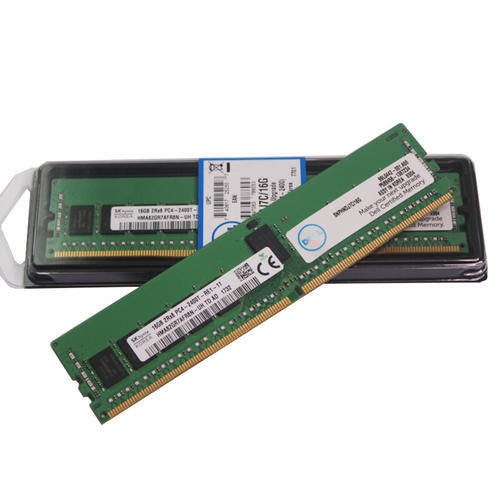
Understanding DDR4 Memory Technology Fundamentals
Architecture and Design Improvements
DDR4 memory incorporates significant architectural enhancements that distinguish it from previous memory generations. The technology operates at lower voltages while delivering higher data transfer rates, creating an optimal balance between performance and power efficiency. These improvements stem from advanced manufacturing processes and refined circuit designs that enable DDR4 memory modules to achieve superior operational characteristics.
The internal architecture of DDR4 memory features enhanced prefetch capabilities, allowing the memory controller to anticipate data requests more effectively. This predictive functionality reduces latency and improves overall system responsiveness, particularly beneficial for server environments handling multiple concurrent processes. Additionally, DDR4 memory implements improved error correction mechanisms that enhance data integrity and system reliability.
Performance Specifications and Capabilities
DDR4 memory modules typically operate at speeds ranging from 2133 MHz to 3200 MHz and beyond, representing substantial improvements over DDR3 technology. Higher operating frequencies translate directly into increased bandwidth availability, enabling servers to process larger volumes of data more efficiently. This enhanced bandwidth proves particularly valuable for applications requiring rapid access to large datasets or supporting numerous simultaneous users.
The memory technology supports increased module capacities, with individual modules available in configurations up to 128GB and potentially higher. This capacity expansion allows server administrators to install larger amounts of system memory without requiring additional physical slots, optimizing both space utilization and upgrade flexibility. Modern DDR4 memory also features improved burst lengths and refined timing parameters that contribute to overall system performance improvements.
Server Performance Benefits of DDR4 Memory
Enhanced Processing Speed and Throughput
Upgrading to DDR4 memory delivers immediate improvements in server processing capabilities, enabling faster execution of complex computational tasks. The increased bandwidth provided by DDR4 memory reduces bottlenecks that often constrain system performance, allowing processors to access required data more quickly. This improvement proves especially beneficial for applications involving large-scale data analysis, real-time processing, or intensive computational workloads.
Server environments running virtualized workloads experience particularly significant benefits from DDR4 memory upgrades. Virtual machines require substantial memory resources to operate efficiently, and the enhanced performance characteristics of DDR4 memory enable better resource allocation across multiple virtual environments. Organizations can support more virtual machines per physical server while maintaining optimal performance levels for each virtualized instance.
Improved System Reliability and Stability
DDR4 memory incorporates advanced error detection and correction capabilities that enhance overall system reliability. These features include improved ECC (Error-Correcting Code) functionality that can identify and correct single-bit errors automatically while detecting multi-bit errors that require system intervention. Enhanced reliability proves crucial for server environments where uptime and data integrity are paramount concerns.
The technology also features improved thermal management capabilities that help maintain stable operating temperatures under heavy workloads. Better thermal characteristics reduce the likelihood of memory-related system failures and extend the operational lifespan of server hardware. Additionally, DDR4 memory modules implement enhanced signal integrity features that minimize data corruption risks during high-speed operations.
Power Efficiency and Cost Optimization
Reduced Energy Consumption
One of the most compelling advantages of DDR4 memory lies in its superior power efficiency compared to previous memory generations. Operating at 1.2 volts instead of the 1.5 volts required by DDR3, DDR4 memory consumes approximately 20% less power while delivering enhanced performance. This reduction in power consumption translates into lower electricity costs and reduced cooling requirements for server environments.
Lower power consumption from DDR4 memory contributes to improved overall server efficiency, reducing the total cost of ownership over the system's operational lifetime. Data centers and server farms particularly benefit from these power savings, as memory represents a significant portion of total system power consumption. The cumulative effect of deploying DDR4 memory across multiple servers can result in substantial operational cost reductions.
Long-term Economic Benefits
While the initial investment in DDR4 memory may be higher than maintaining existing DDR3 configurations, the long-term economic benefits justify the upgrade cost. Improved performance enables organizations to defer server hardware replacements, extending the useful life of existing server infrastructure. Additionally, enhanced efficiency allows businesses to accomplish more work with existing hardware resources, improving overall productivity.
The increased capacity capabilities of DDR4 memory also provide economic advantages by reducing the number of memory modules required to achieve target memory configurations. Fewer physical modules mean reduced complexity in memory management and potentially lower acquisition costs when planning large-scale server deployments. Organizations can also benefit from improved scalability options that support future growth without requiring complete infrastructure overhauls.
Application-Specific Performance Improvements
Database and Analytics Workloads
Database servers experience substantial performance improvements when upgraded to DDR4 memory, particularly for applications involving large-scale data processing or real-time analytics. The increased bandwidth and reduced latency characteristics of DDR4 memory enable database engines to cache larger portions of frequently accessed data in memory, reducing reliance on slower storage systems. This improvement translates into faster query response times and improved overall database performance.
Analytics applications that process large datasets benefit significantly from the enhanced memory capacity and speed offered by DDR4 memory. In-memory analytics platforms can maintain larger working datasets in memory, reducing the need for disk-based operations that typically create performance bottlenecks. The result is faster analysis completion times and improved responsiveness for business intelligence applications.
Virtualization and Cloud Infrastructure
Virtualized server environments represent one of the most compelling use cases for DDR4 memory upgrades. Virtual machine hypervisors require substantial memory resources to manage multiple guest operating systems efficiently, and DDR4 memory provides the performance and capacity needed to support dense virtualization scenarios. Organizations can achieve higher consolidation ratios while maintaining acceptable performance levels for virtualized workloads.
Cloud infrastructure providers particularly benefit from DDR4 memory upgrades, as the technology enables more efficient resource allocation across multiple tenant environments. The improved performance characteristics allow cloud platforms to offer better service levels to customers while optimizing infrastructure utilization. Enhanced memory performance also supports advanced cloud features such as live migration and dynamic resource scaling.
Implementation Considerations and Best Practices
Compatibility and Migration Planning
Successful DDR4 memory implementation requires careful consideration of hardware compatibility and migration planning strategies. Organizations must verify that existing server platforms support DDR4 memory technology, as the physical and electrical interfaces differ from previous memory generations. Some older server models may require motherboard or entire system upgrades to accommodate DDR4 memory modules.
Migration planning should include thorough testing of DDR4 memory configurations in representative workload scenarios before implementing changes in production environments. This testing phase helps identify potential compatibility issues and allows administrators to optimize memory configurations for specific application requirements. Additionally, organizations should develop rollback procedures to ensure business continuity in case unexpected issues arise during the upgrade process.
Optimal Configuration Strategies
Maximizing the benefits of DDR4 memory requires strategic configuration approaches that align with specific workload requirements. Server administrators should consider factors such as memory channel utilization, module capacity distribution, and timing parameter optimization when designing DDR4 memory configurations. Proper channel population ensures optimal bandwidth utilization, while balanced capacity distribution supports efficient memory access patterns.
Performance tuning for DDR4 memory involves adjusting various parameters including frequency settings, timing values, and voltage levels to achieve optimal performance for specific applications. Modern server platforms often provide automated tuning capabilities that simplify this process, but manual optimization may be necessary for specialized workloads. Regular monitoring and performance assessment help ensure that DDR4 memory configurations continue to meet evolving application requirements.
Future-Proofing Server Infrastructure
Technology Evolution and Roadmap
Investing in DDR4 memory represents a strategic approach to future-proofing server infrastructure against evolving performance requirements. While newer memory technologies are under development, DDR4 memory continues to offer excellent performance characteristics and broad industry support that ensure long-term viability. The technology provides a stable foundation for organizations planning to maintain current server platforms while preparing for future upgrades.
The continued evolution of DDR4 memory specifications includes ongoing improvements in speed grades, capacity options, and power efficiency characteristics. These incremental improvements allow organizations to benefit from enhanced performance without requiring complete infrastructure overhauls. Additionally, the mature ecosystem surrounding DDR4 memory ensures continued availability of compatible components and support resources.
Scalability and Growth Support
DDR4 memory technology provides excellent scalability options that support organizational growth and changing application requirements. The higher capacity modules available in DDR4 memory configurations allow organizations to significantly expand memory resources without requiring additional server hardware. This scalability proves particularly valuable for growing businesses that need to accommodate increasing workloads and user populations.
The performance characteristics of DDR4 memory also support advanced server features such as NUMA (Non-Uniform Memory Access) optimization and memory interleaving that improve overall system efficiency. These features become increasingly important as server applications become more sophisticated and demanding. Organizations that implement DDR4 memory gain access to these advanced capabilities while positioning themselves for future technology adoption.
FAQ
What performance improvements can I expect from upgrading to DDR4 memory
Upgrading to DDR4 memory typically delivers 15-30% performance improvements in memory-intensive applications, with some workloads experiencing even greater benefits. The exact improvement depends on your specific applications and current memory configuration, but most organizations see significant enhancements in database performance, virtualization efficiency, and overall system responsiveness. DDR4 memory also provides better multitasking capabilities, allowing servers to handle more concurrent processes without performance degradation.
Is DDR4 memory compatible with my existing server hardware
DDR4 memory requires specific motherboard and processor support, as it uses different physical connectors and electrical specifications compared to DDR3. Most servers manufactured after 2014 include DDR4 memory support, but older systems may require hardware upgrades to accommodate the new memory technology. You should consult your server documentation or contact the manufacturer to verify DDR4 memory compatibility before making purchasing decisions.
How much power savings can I achieve with DDR4 memory
DDR4 memory operates at 1.2 volts compared to 1.5 volts for DDR3, resulting in approximately 20% lower power consumption per module. For server environments with large memory configurations, this reduction can translate into substantial electricity cost savings over time. Additionally, lower power consumption reduces cooling requirements, further decreasing operational expenses. The cumulative effect across multiple servers can result in significant cost reductions for data center operations.
What capacity options are available with DDR4 memory modules
DDR4 memory modules are available in capacities ranging from 4GB to 128GB per module, with some specialized configurations offering even higher capacities. This wide range of options allows organizations to optimize memory configurations based on specific application requirements and budget constraints. Higher capacity modules also reduce the number of physical slots required, leaving room for future memory expansion and simplifying server configuration management.