
 EN
EN



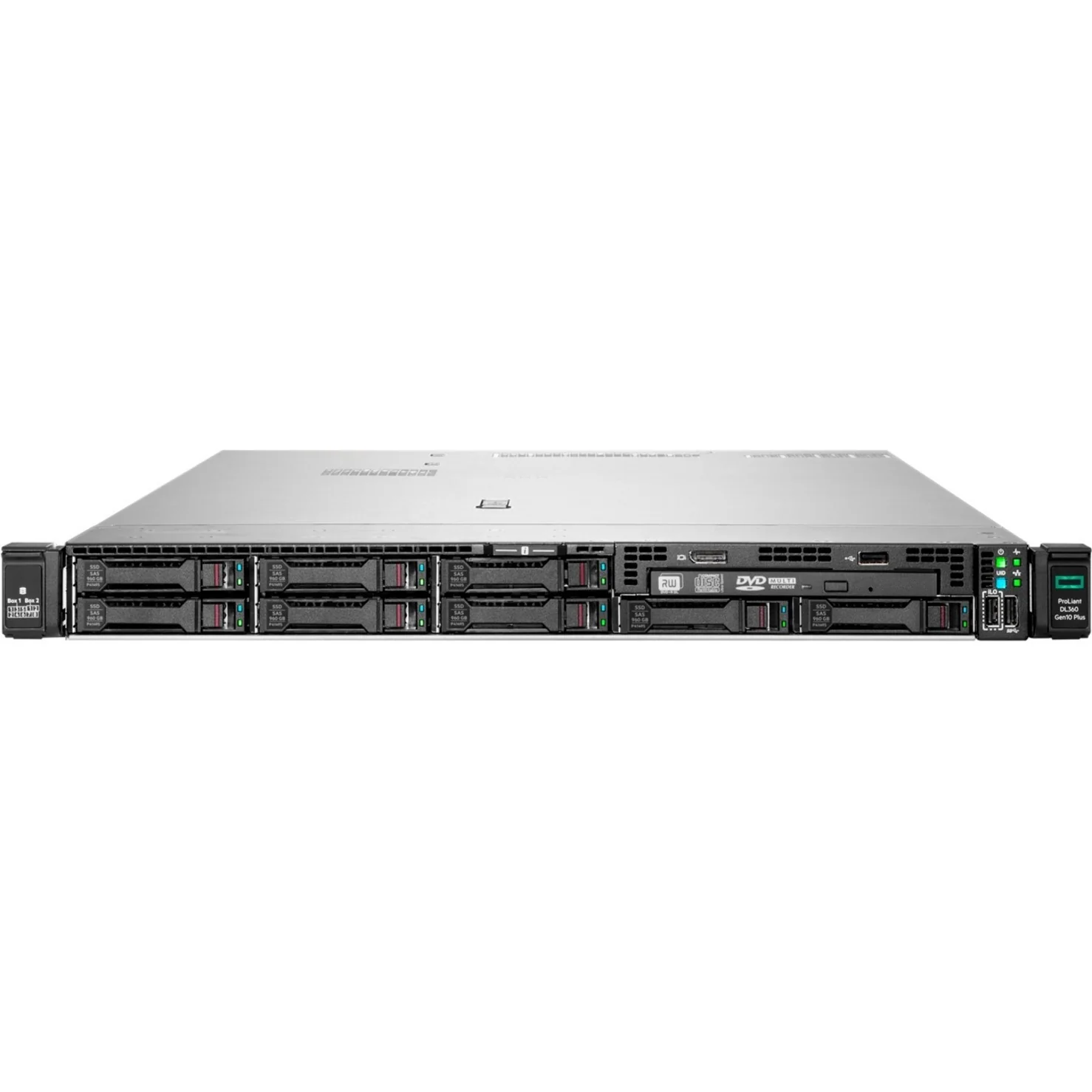
Modern data centers face unprecedented demands for reliability, performance, and scalability when supporting mission-critical applications. Organizations across industries rely on robust infrastructure solutions that can deliver consistent uptime, handle complex workloads, and adapt to evolving business requirements. HPE servers have emerged as a cornerstone technology for enterprises seeking to maintain operational excellence while supporting their most demanding applications. These sophisticated systems provide the foundation necessary for running critical business processes that cannot afford downtime or performance degradation.
Understanding Mission-Critical Infrastructure Requirements
Defining Mission-Critical Applications
Mission-critical applications represent the essential software systems that organizations depend upon for core business operations. These applications encompass enterprise resource planning systems, financial transaction processing platforms, customer relationship management solutions, and real-time manufacturing control systems. When these applications experience downtime or performance issues, the consequences can include significant revenue loss, regulatory compliance failures, and damaged customer relationships. HPE servers are specifically engineered to support these demanding environments through advanced reliability features and robust hardware architectures.
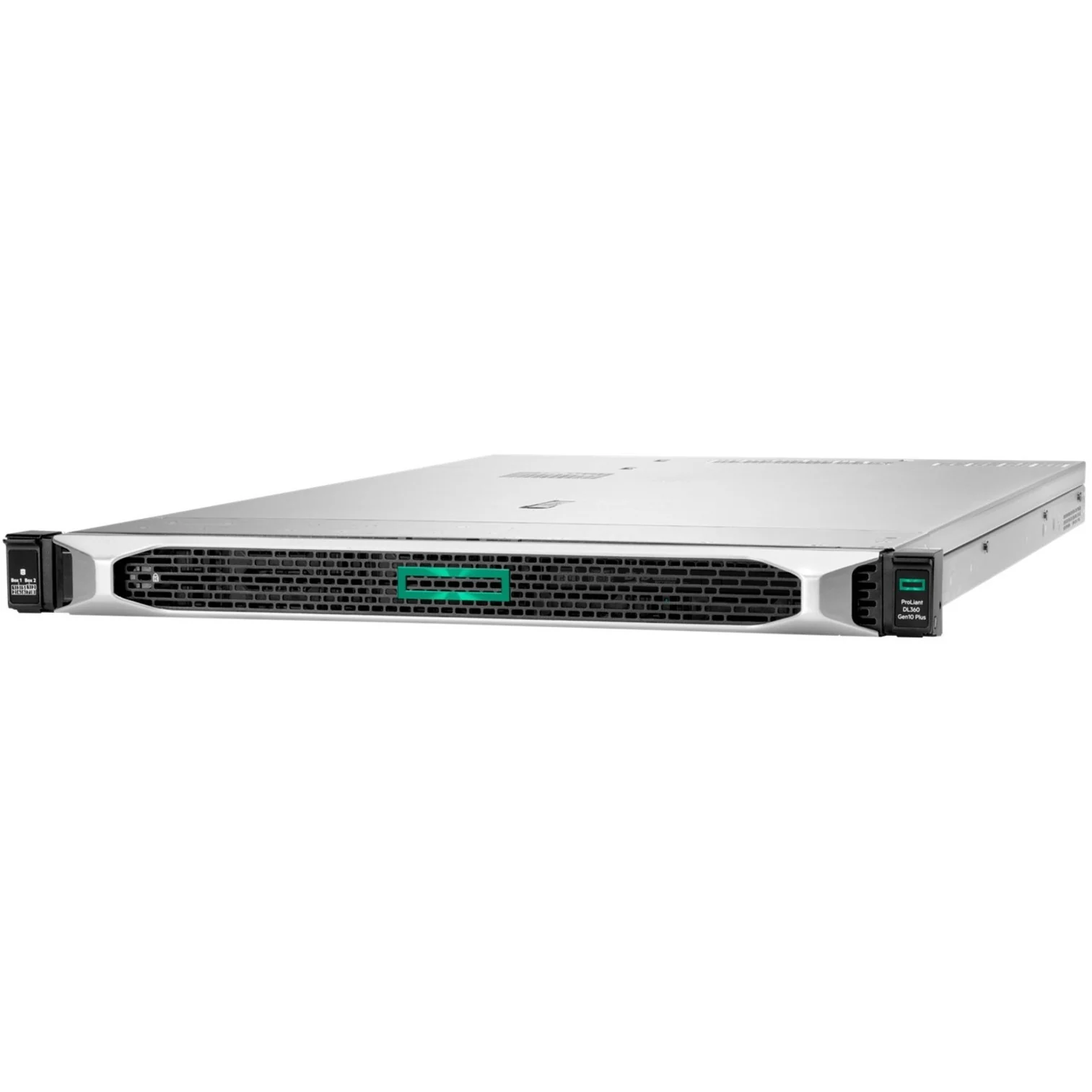
The characteristics that define mission-critical applications include stringent availability requirements, often measured in terms of five-nines uptime (99.999%), which translates to less than five minutes of downtime per year. Additionally, these applications typically require predictable performance under varying load conditions, comprehensive data protection mechanisms, and the ability to scale resources dynamically. Organizations must carefully evaluate their infrastructure choices to ensure that underlying server platforms can meet these exacting standards while providing room for future growth and technological evolution.
Infrastructure Reliability Standards
Enterprise-grade reliability standards encompass multiple layers of redundancy, fault tolerance, and recovery mechanisms. HPE servers incorporate advanced error correction capabilities, redundant power supplies, hot-swappable components, and comprehensive monitoring systems to minimize the risk of unplanned outages. These features work together to create a resilient infrastructure foundation that can maintain operations even when individual components experience failures or require maintenance activities.
Modern reliability standards also emphasize proactive maintenance and predictive analytics capabilities. Advanced server platforms include intelligent monitoring systems that can identify potential issues before they impact application performance. This approach enables IT teams to schedule maintenance activities during planned maintenance windows, reducing the likelihood of unexpected disruptions to mission-critical workloads. The integration of artificial intelligence and machine learning technologies into server management platforms further enhances the ability to predict and prevent infrastructure-related issues.
HPE Server Architecture and Design Excellence
Hardware Foundation and Component Quality
The hardware foundation of HPE servers reflects decades of engineering expertise and continuous innovation in enterprise computing systems. Each server platform incorporates carefully selected components that undergo rigorous testing and validation processes to ensure compatibility, reliability, and optimal performance. From advanced processor architectures to high-speed memory subsystems, every element is designed to work seamlessly together while providing the robustness required for mission-critical environments.
Memory subsystems in HPE servers utilize cutting-edge DDR5 technology that delivers exceptional bandwidth and capacity while maintaining strict error correction standards. These systems support large memory configurations that enable applications to maintain frequently accessed data in high-speed storage, reducing latency and improving overall system responsiveness. The implementation of advanced memory protection features, including error correction code and memory mirroring capabilities, ensures that data integrity remains intact even in the event of memory component failures.
Scalability and Performance Optimization
Scalability represents a fundamental design principle in HPE server architecture, enabling organizations to adapt their infrastructure resources to meet changing business demands. These systems support both vertical scaling, through the addition of more powerful processors and increased memory capacity, and horizontal scaling, through the deployment of additional server nodes in clustered configurations. This flexibility ensures that mission-critical applications can grow alongside business requirements without requiring complete infrastructure replacements.
Performance optimization in HPE servers extends beyond raw computational power to encompass intelligent workload management, advanced caching strategies, and optimized data path architectures. These systems incorporate sophisticated algorithms that automatically balance workloads across available resources, ensuring that critical applications receive priority access to processing power and memory bandwidth when needed. The result is consistent performance delivery that meets the stringent requirements of mission-critical environments.
Advanced Reliability Features and Fault Tolerance
Redundancy and Error Correction Mechanisms
Redundancy forms the cornerstone of fault-tolerant design in HPE servers, with multiple layers of backup systems and alternative pathways built into every critical subsystem. Power delivery systems include redundant power supplies with automatic failover capabilities, ensuring continuous operation even if primary power sources experience interruptions. Storage subsystems incorporate RAID configurations that protect against drive failures while maintaining data accessibility, and network connections utilize multiple pathways to prevent communication bottlenecks.
Error correction mechanisms operate at multiple levels within HPE servers, from individual memory modules to complete system operations. Advanced error correction code implementations can detect and correct single-bit errors automatically while flagging multi-bit errors for administrative attention. These systems continuously monitor hardware health and performance metrics, providing early warning indicators when components approach end-of-life conditions or experience degraded performance that could impact application reliability.
Proactive Monitoring and Predictive Analytics
Modern HPE servers integrate sophisticated monitoring capabilities that extend far beyond traditional hardware health checks. These systems collect thousands of data points per second, analyzing patterns and trends that can indicate potential issues before they manifest as system failures. Machine learning algorithms process this telemetry data to identify subtle changes in system behavior that human administrators might overlook, enabling proactive maintenance strategies that minimize unplanned downtime.
Predictive analytics capabilities enable IT teams to optimize maintenance schedules and resource allocation decisions based on actual usage patterns and component health data. This approach transforms reactive maintenance models into proactive strategies that align with business requirements and minimize disruption to mission-critical operations. The integration of cloud-based analytics platforms provides access to industry-wide performance benchmarks and best practices, further enhancing the effectiveness of predictive maintenance programs.
Data Center Integration and Management
Infrastructure Compatibility and Standards Compliance
HPE servers are designed to integrate seamlessly with existing data center infrastructure while adhering to industry standards that ensure interoperability and long-term supportability. These systems support standard rack configurations, power distribution requirements, and cooling specifications that align with contemporary data center designs. Compliance with industry standards such as IPMI, SNMP, and various virtualization platforms ensures that HPE servers can operate effectively within diverse technological environments.
The commitment to standards compliance extends to security frameworks, environmental regulations, and accessibility requirements that govern enterprise computing deployments. HPE servers incorporate security features that align with federal information processing standards, common criteria evaluations, and industry-specific compliance requirements. This comprehensive approach to standards adherence simplifies integration processes while ensuring that organizations can meet their regulatory obligations without compromising system performance or reliability.
Remote Management and Automation Capabilities
Advanced remote management capabilities in HPE servers enable IT teams to monitor, configure, and maintain systems from centralized locations, reducing the need for physical data center access while improving operational efficiency. These management platforms provide comprehensive visibility into system health, performance metrics, and configuration settings through intuitive web-based interfaces that can be accessed from anywhere with appropriate network connectivity and security credentials.
Automation capabilities extend beyond basic monitoring to include automated provisioning, configuration management, and update deployment processes. These features enable organizations to implement consistent configuration standards across large server deployments while reducing the time and effort required for routine maintenance tasks. Integration with popular orchestration platforms and configuration management tools ensures that HPE servers can participate effectively in modern infrastructure-as-code implementations that emphasize repeatability and version control.
Security and Compliance Considerations
Hardware-Based Security Features
Security in HPE servers begins at the hardware level with features designed to protect against both external attacks and insider threats. Trusted platform modules provide secure storage for encryption keys and digital certificates, while secure boot processes ensure that only authorized firmware and operating systems can execute during system startup. These hardware-based security measures create a foundation of trust that software-based security solutions can build upon, establishing multiple layers of protection for mission-critical applications and data.
Advanced security features in HPE servers include silicon-level protection mechanisms that can detect and respond to sophisticated attack vectors that target firmware and low-level system components. These capabilities provide protection against supply chain attacks, firmware manipulation, and other advanced persistent threats that traditional security solutions might not detect. The integration of hardware security modules and cryptographic accelerators enables high-performance encryption and authentication operations without compromising application performance.
Compliance Framework Support
Organizations operating in regulated industries must ensure that their infrastructure platforms support compliance with relevant standards and frameworks. HPE servers incorporate features and capabilities that align with major compliance requirements including HIPAA for healthcare organizations, PCI DSS for payment processing environments, and SOX for financial reporting systems. These built-in compliance features simplify audit processes while reducing the risk of regulatory violations that could result in significant penalties or operational restrictions.
The documentation and certification processes associated with HPE servers provide the evidence trail that auditors require when evaluating compliance status. Comprehensive logging capabilities, tamper-evident hardware designs, and detailed configuration management tools enable organizations to demonstrate that their infrastructure meets regulatory requirements for data protection, access control, and change management. This thorough approach to compliance support reduces the burden on IT teams while ensuring that mission-critical applications operate within appropriate regulatory frameworks.
Performance Optimization for Critical Workloads
Workload-Specific Tuning and Configuration
Different types of mission-critical applications have unique performance characteristics and resource requirements that must be addressed through careful system tuning and configuration optimization. HPE servers provide extensive configuration options that enable IT teams to optimize system behavior for specific workload types, whether they involve high-frequency transaction processing, complex analytical computations, or real-time data streaming operations. These configuration capabilities extend from processor settings and memory allocation strategies to storage subsystem optimization and network interface tuning.
Performance tuning for HPE servers involves both hardware-level optimizations and software configuration adjustments that work together to maximize application efficiency. Advanced processor features such as dynamic frequency scaling, cache optimization, and instruction set extensions can be configured to match specific application requirements. Memory subsystem tuning includes optimization of access patterns, prefetching algorithms, and memory channel utilization to ensure that applications have consistent access to the data they need for optimal performance.
Resource Allocation and Quality of Service
Mission-critical environments often require sophisticated resource allocation strategies that ensure critical applications receive priority access to system resources during periods of high demand. HPE servers support advanced quality of service mechanisms that can guarantee minimum performance levels for specific applications while allowing less critical workloads to utilize remaining capacity. These capabilities enable organizations to maximize infrastructure utilization while maintaining strict performance commitments for their most important applications.
Dynamic resource allocation capabilities in HPE servers can automatically adjust resource assignments based on changing workload demands and predefined policies. This intelligent resource management ensures that mission-critical applications always have access to the computing power, memory bandwidth, and storage performance they require, even as overall system utilization fluctuates throughout daily operational cycles. The integration of telemetry data and performance analytics enables these systems to learn from historical patterns and optimize resource allocation decisions over time.
FAQ
What makes HPE servers suitable for mission-critical applications compared to standard server hardware?
HPE servers incorporate enterprise-grade reliability features including redundant components, advanced error correction mechanisms, and comprehensive monitoring capabilities that standard servers typically lack. These systems undergo rigorous testing and validation processes to ensure they can maintain consistent performance and availability under demanding conditions. The integration of proactive health monitoring, predictive analytics, and automated recovery mechanisms provides the level of reliability that mission-critical applications require to maintain business continuity.
How do HPE servers handle scaling requirements as mission-critical applications grow?
HPE servers support both vertical and horizontal scaling strategies through modular hardware designs and comprehensive management platforms. Vertical scaling options include processor upgrades, memory expansion, and storage capacity additions that can be performed with minimal disruption to running applications. Horizontal scaling capabilities enable organizations to add additional server nodes to clustered configurations, distributing workload across multiple systems to achieve higher performance and improved fault tolerance. Advanced orchestration and management tools simplify the process of scaling infrastructure resources to match evolving business requirements.
What security features do HPE servers provide to protect mission-critical data and applications?
HPE servers implement multi-layered security architectures that begin with hardware-based protection mechanisms including trusted platform modules, secure boot processes, and silicon-level attack detection capabilities. These systems support advanced encryption standards for data at rest and in transit, while comprehensive access control mechanisms ensure that only authorized personnel can access sensitive systems and information. Integration with enterprise security frameworks and compliance monitoring tools provides the comprehensive protection that mission-critical environments require.
How do HPE servers minimize downtime and ensure high availability for critical business operations?
HPE servers achieve high availability through redundant subsystems, hot-swappable components, and intelligent failover mechanisms that can maintain operations even when individual components require replacement or experience failures. Predictive analytics capabilities identify potential issues before they impact system availability, enabling proactive maintenance during scheduled windows. Advanced clustering and load balancing features distribute workloads across multiple systems to eliminate single points of failure while providing seamless failover capabilities that ensure mission-critical applications remain accessible to users and business processes.
Table of Contents
- Understanding Mission-Critical Infrastructure Requirements
- HPE Server Architecture and Design Excellence
- Advanced Reliability Features and Fault Tolerance
- Data Center Integration and Management
- Security and Compliance Considerations
- Performance Optimization for Critical Workloads
-
FAQ
- What makes HPE servers suitable for mission-critical applications compared to standard server hardware?
- How do HPE servers handle scaling requirements as mission-critical applications grow?
- What security features do HPE servers provide to protect mission-critical data and applications?
- How do HPE servers minimize downtime and ensure high availability for critical business operations?