
 EN
EN



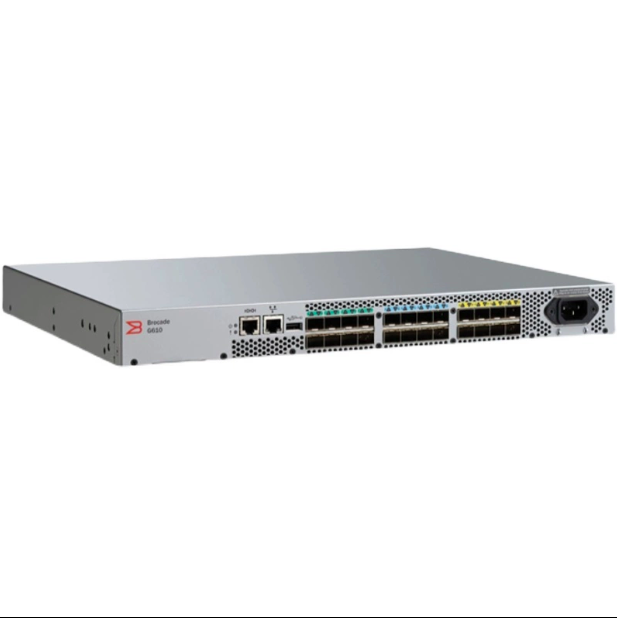
Modern server infrastructures face unprecedented bandwidth demands as enterprises scale their operations and embrace data-intensive applications. The traditional copper-based switching solutions that once sufficed for basic network connectivity now represent significant bottlenecks in high-performance computing environments. Server administrators and IT decision-makers must understand why transitioning to fiber switches represents not just an upgrade, but a fundamental requirement for maintaining competitive infrastructure performance in today's demanding digital landscape.
The bandwidth limitations inherent in copper-based switching infrastructure create cascading performance issues that extend far beyond simple data transfer speeds. Organizations implementing fiber switches experience transformative improvements in network throughput, reduced latency, and enhanced scalability that directly translate to measurable business advantages. Understanding the technical and operational reasons behind these improvements enables infrastructure teams to make informed decisions about their switching architecture investments.
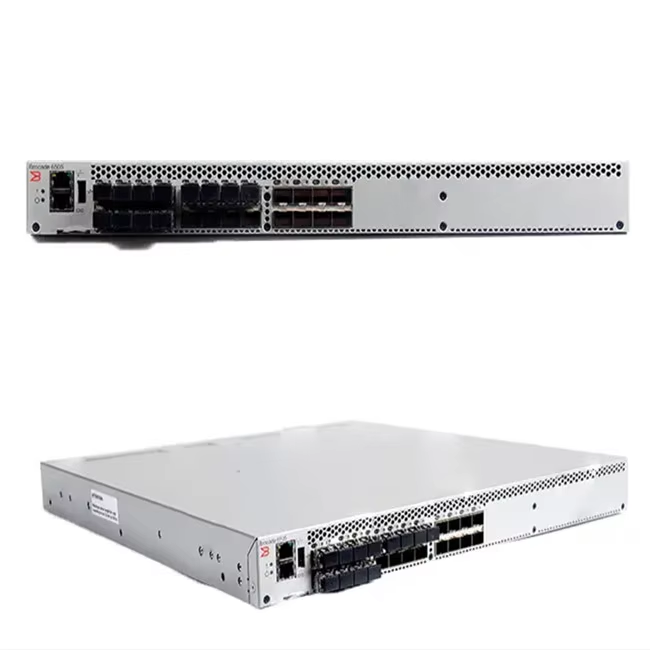
Bandwidth Capacity Advantages of Fiber Switch Technology
Optical Signal Transmission Superiority
Fiber switches leverage optical signal transmission to achieve bandwidth capacities that exceed copper-based alternatives by several orders of magnitude. The fundamental physics of light-based data transmission allows fiber switches to carry multiple wavelengths simultaneously through dense wavelength division multiplexing, effectively multiplying available bandwidth without requiring additional physical infrastructure. This optical advantage enables single fiber connections to support data rates from 10 Gigabits per second up to 400 Gigabits per second and beyond, depending on the specific fiber switch implementation and optical standards utilized.
The electromagnetic interference immunity inherent in fiber optic technology ensures that fiber switches maintain consistent bandwidth performance even in electrically noisy server room environments. Unlike copper-based switches that experience signal degradation from electromagnetic interference, crosstalk, and impedance variations, fiber switches deliver stable high-bandwidth performance regardless of environmental electrical conditions. This reliability becomes particularly critical in dense server deployments where multiple high-power systems generate significant electromagnetic fields that would otherwise compromise copper-based switching performance.
Distance-independent bandwidth maintenance represents another crucial advantage of fiber switches in server infrastructure applications. While copper-based switches experience significant bandwidth degradation over distances exceeding 100 meters, fiber switches maintain full bandwidth capacity over distances measured in kilometers. This distance capability enables server infrastructure designs that separate compute resources from storage systems without bandwidth penalties, supporting distributed architecture approaches that would be impossible with traditional copper switching limitations.
Aggregate Throughput Scalability
Server infrastructures utilizing fiber switches benefit from superior aggregate throughput scalability compared to copper-based alternatives. The higher port density achievable with fiber switches allows more simultaneous high-bandwidth connections within a single switching unit, reducing the number of switching tiers required to achieve target aggregate throughput levels. This reduced switching complexity translates to lower latency, fewer potential failure points, and simplified network management while delivering higher overall bandwidth capacity.
Fiber switches support advanced traffic engineering capabilities that optimize bandwidth utilization across multiple simultaneous connections. Quality of Service implementations in fiber switches provide granular bandwidth allocation controls that ensure critical server applications receive guaranteed bandwidth while lower-priority traffic utilizes available capacity efficiently. These traffic management capabilities become essential in mixed-workload server environments where bandwidth contention could otherwise compromise application performance.
The modular expansion capabilities of enterprise-grade fiber switches enable bandwidth scaling without requiring complete infrastructure replacement. Organizations can incrementally add fiber switch modules or upgrade existing modules to higher-capacity variants as bandwidth requirements grow, protecting existing infrastructure investments while accommodating future expansion needs. This scalability approach contrasts favorably with copper-based switches that typically require complete replacement when bandwidth requirements exceed original design specifications.
Performance Impact on Server Infrastructure Operations
Application Response Time Improvements
Fiber switches deliver measurable application response time improvements through reduced network latency and increased available bandwidth for server communications. Database applications particularly benefit from fiber switch implementations, as the high-bandwidth, low-latency characteristics enable faster query processing and transaction completion. Enterprise resource planning systems, customer relationship management platforms, and other business-critical applications experience more responsive user interfaces and faster batch processing when server infrastructure utilizes fiber switches for inter-server communication.
Virtualized server environments realize significant performance gains from fiber switches due to the increased bandwidth available for virtual machine migration, storage access, and inter-VM communication. The high bandwidth capacity of fiber switches eliminates network bottlenecks that previously constrained virtual machine density and performance, enabling higher consolidation ratios and more efficient resource utilization. This improved virtualization performance directly translates to reduced hardware requirements and lower operational costs while maintaining or improving service levels.
Real-time application performance benefits substantially from the consistent low latency provided by fiber switches. Video processing, financial trading systems, and industrial control applications require predictable network performance that copper-based switches cannot reliably deliver under high-load conditions. Fiber switches maintain stable latency characteristics even during peak traffic periods, ensuring that time-sensitive applications receive the consistent network performance required for proper operation.
Storage System Integration Benefits
Server infrastructures implementing fiber switches achieve superior storage system integration compared to copper-based alternatives. Storage Area Network implementations utilizing fiber switches provide the high bandwidth and low latency required for direct-attached storage performance across networked connections. This capability enables centralized storage architectures that deliver local storage performance characteristics while providing the management and reliability benefits of networked storage systems.
Backup and disaster recovery operations benefit significantly from the increased bandwidth provided by fiber switches. Large-scale data replication, snapshot transfers, and backup operations that would consume hours over copper-based connections complete in minutes when utilizing fiber switches. This time reduction enables more frequent backup operations, shorter recovery time objectives, and improved data protection without impacting production system performance during backup windows.
Distributed storage system performance improves dramatically when server nodes communicate through fiber switches rather than copper-based alternatives. Object storage platforms, distributed file systems, and software-defined storage solutions rely on high-bandwidth inter-node communication to maintain performance as systems scale. Fiber switches provide the bandwidth capacity required to support large distributed storage deployments without communication bottlenecks that would otherwise limit system scalability and performance.
Cost-Effectiveness Analysis for Infrastructure Investment
Total Cost of Ownership Considerations
While fiber switches typically require higher initial capital investment compared to copper-based alternatives, the total cost of ownership analysis reveals significant long-term financial advantages. The reduced power consumption of fiber switches compared to equivalent-capacity copper switches results in lower operational expenses over the system lifecycle. Additionally, the longer service life and upgrade path flexibility of fiber switches reduces replacement frequency and associated labor costs for infrastructure transitions.
Maintenance and troubleshooting costs decrease substantially when server infrastructures utilize fiber switches instead of copper-based alternatives. The reduced susceptibility to electromagnetic interference and environmental factors means fewer network issues requiring technical intervention. The improved diagnostic capabilities and network monitoring features available in enterprise fiber switches enable proactive issue resolution and reduce unplanned downtime costs that would otherwise impact business operations.
Space and cooling efficiency advantages of fiber switches translate to reduced facility costs in server infrastructure deployments. The higher port density achievable with fiber switches reduces rack space requirements compared to achieving equivalent capacity with copper-based switches. Lower power consumption and reduced heat generation decrease cooling requirements, resulting in lower utility costs and reduced environmental control system capacity needs.
Performance-Driven Revenue Protection
Server infrastructures utilizing fiber switches protect revenue streams by eliminating bandwidth-related performance bottlenecks that could otherwise compromise service delivery. E-commerce platforms, online services, and digital applications depend on consistent high-performance server infrastructure to maintain user satisfaction and prevent revenue loss from performance-related customer defection. The superior bandwidth capacity and reliability of fiber switches provide insurance against performance-related revenue impacts.
Competitive advantage preservation represents a crucial financial benefit of fiber switches in server infrastructure applications. Organizations that maintain superior application performance through high-bandwidth fiber switch implementations can differentiate their services in competitive markets. This performance differentiation enables premium pricing strategies and customer retention advantages that generate measurable financial returns exceeding the incremental cost of fiber switch implementations.
Future-proofing investments through fiber switches protect against premature infrastructure obsolescence costs. The bandwidth scalability and upgrade path flexibility of fiber switches enable organizations to accommodate growing performance requirements without complete infrastructure replacement. This adaptability reduces the risk of stranded infrastructure investments and provides financial flexibility for responding to changing business requirements and technology advances.
Implementation Strategies for Fiber Switch Deployment
Migration Planning and Risk Mitigation
Successful fiber switch implementation in server infrastructure requires comprehensive migration planning that minimizes service disruption while maximizing performance benefits. Phased deployment strategies enable organizations to transition from copper-based switches to fiber switches incrementally, validating performance improvements and operational procedures before completing full infrastructure transitions. This approach reduces implementation risk while providing early benefits from fiber switch capabilities in critical server infrastructure segments.
Compatibility assessment and testing protocols ensure that existing server hardware and applications function properly with fiber switches before production deployment. Organizations should evaluate network interface compatibility, driver requirements, and application behavior under the improved bandwidth and latency characteristics provided by fiber switches. Some legacy applications may require configuration adjustments to fully utilize the enhanced network performance capabilities available through fiber switch implementations.
Staff training and operational procedure updates become essential components of successful fiber switch deployments. Network administrators require training on fiber switch configuration, monitoring, and troubleshooting procedures that differ from copper-based switching management. Documentation updates and standardized operational procedures ensure consistent fiber switch management practices that maintain the reliability and performance benefits throughout the system lifecycle.
Integration with Existing Infrastructure
Fiber switches integrate with existing server infrastructure through various connection methods that accommodate different hardware configurations and performance requirements. Media converters enable connectivity between fiber switches and servers equipped with copper network interfaces, providing a migration path that preserves existing hardware investments while delivering fiber switch benefits. Direct fiber connectivity offers optimal performance for servers equipped with fiber network interface cards, eliminating conversion overhead and maximizing bandwidth utilization.
Network architecture optimization becomes possible when implementing fiber switches in server infrastructure environments. The increased bandwidth and reduced latency enable flatter network topologies that reduce switching tiers and simplify traffic flows. These architectural improvements reduce complexity, improve performance predictability, and lower management overhead while providing superior scalability for future growth requirements.
Monitoring and management system integration ensures that fiber switches provide comprehensive visibility into server infrastructure network performance. Modern fiber switches support standard network management protocols and provide detailed performance metrics that integrate with existing infrastructure monitoring platforms. This integration capability enables centralized management and proactive performance optimization that maintains the operational benefits provided by fiber switch implementations.
FAQ
What bandwidth improvements can server infrastructure expect from fiber switches compared to copper alternatives?
Fiber switches typically provide 10 to 100 times higher bandwidth capacity compared to copper-based switches, with individual port speeds ranging from 10 Gbps to 400 Gbps and beyond. The aggregate throughput improvements depend on the specific implementation, but organizations commonly experience 5 to 20 times higher total network capacity when transitioning from copper to fiber switches in server infrastructure applications.
How do fiber switches impact server virtualization performance and virtual machine density?
Fiber switches enable significantly higher virtual machine density by eliminating network bandwidth bottlenecks that previously limited consolidation ratios. The increased bandwidth capacity supports faster VM migration, improved storage access performance, and better inter-VM communication, typically enabling 2 to 5 times higher virtual machine density while maintaining or improving application performance compared to copper-based switching infrastructure.
What are the primary cost considerations when implementing fiber switches in server infrastructure?
Initial capital costs for fiber switches are typically 20 to 50 percent higher than equivalent copper switches, but total cost of ownership analysis reveals long-term savings through reduced power consumption, lower maintenance requirements, and extended service life. Organizations should also factor in the cost of fiber optic cables and potential network interface upgrades when budgeting for fiber switch implementations.
How long does a typical fiber switch deployment take in an existing server infrastructure?
Fiber switch deployment timelines vary based on infrastructure complexity and migration approach, but typical implementations require 2 to 8 weeks for complete transition. Phased deployments can begin delivering benefits within days for critical server segments, while comprehensive infrastructure transitions may require several months for large-scale environments with extensive legacy system integration requirements.
Table of Contents
- Bandwidth Capacity Advantages of Fiber Switch Technology
- Performance Impact on Server Infrastructure Operations
- Cost-Effectiveness Analysis for Infrastructure Investment
- Implementation Strategies for Fiber Switch Deployment
-
FAQ
- What bandwidth improvements can server infrastructure expect from fiber switches compared to copper alternatives?
- How do fiber switches impact server virtualization performance and virtual machine density?
- What are the primary cost considerations when implementing fiber switches in server infrastructure?
- How long does a typical fiber switch deployment take in an existing server infrastructure?