
 EN
EN



Understanding Network Infrastructure Challenges in Enterprise Environments
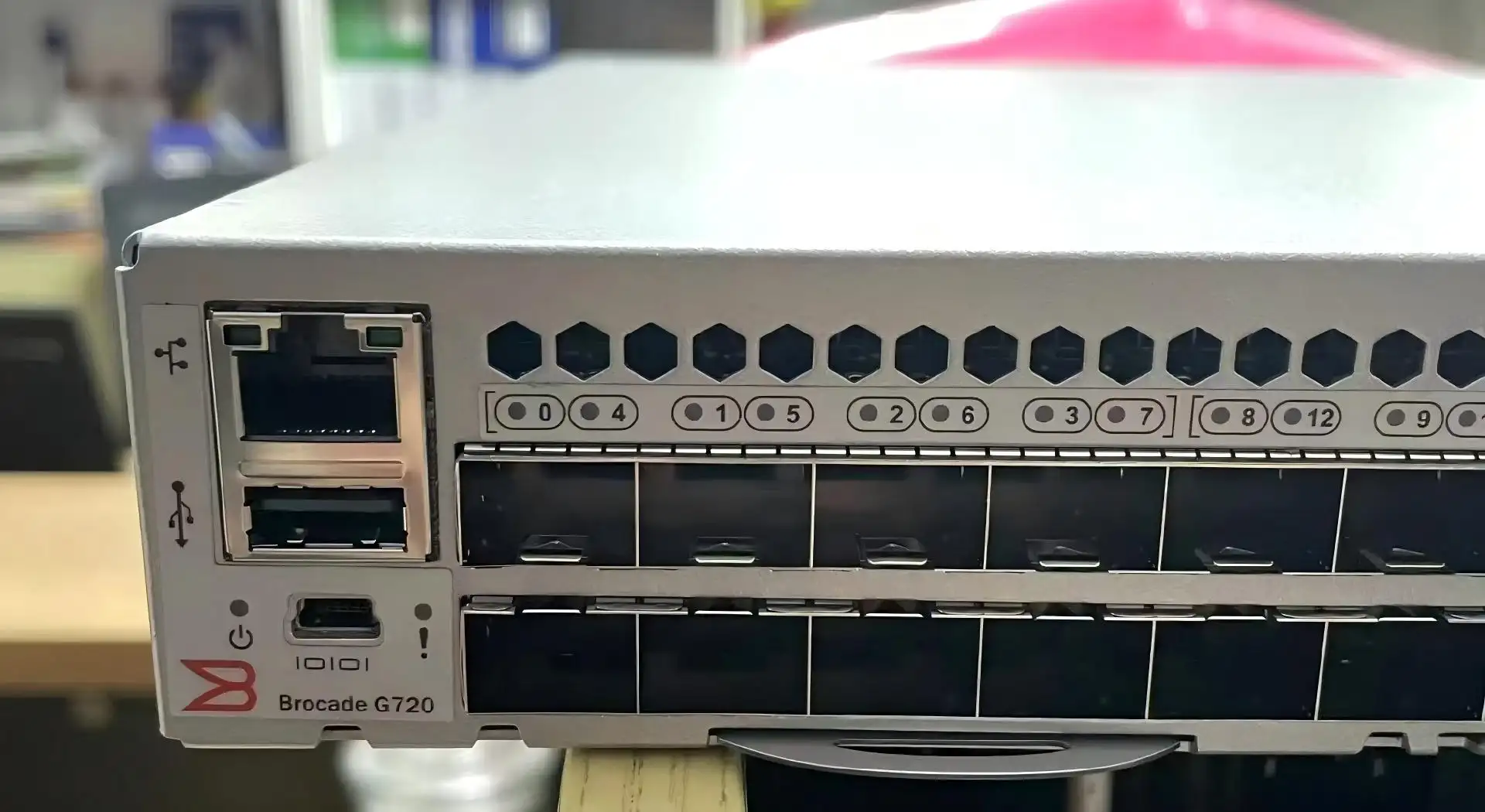
Enterprise networks rely heavily on robust switching solutions, and Brocade switch technologies have become a cornerstone in many data center implementations. While these switches offer exceptional performance and reliability, network administrators frequently encounter various operational challenges that require prompt attention and resolution. Understanding these common issues and their solutions is crucial for maintaining optimal network performance and minimizing downtime.
Performance and Connectivity Issues
Port Configuration and Link Status Problems
One of the most frequent challenges with Brocade switch deployments involves port configuration and link status issues. Network administrators often discover ports that appear to be properly configured yet fail to establish connections. This can stem from mismatched speed settings, incorrect VLAN assignments, or physical connectivity problems. The solution typically involves systematic verification of port settings, including speed, duplex mode, and VLAN configurations. Running diagnostic commands through the CLI can quickly identify misconfigured parameters.
For optimal performance, always ensure that both ends of the connection use matching configurations. Auto-negotiation settings should be consistent across connected devices, and when manual configuration is necessary, document all changes thoroughly to maintain configuration consistency.
Bandwidth Utilization and Congestion
Bandwidth management presents another significant challenge in Brocade switch environments. High utilization rates can lead to network congestion, resulting in increased latency and degraded application performance. To address this, implement Quality of Service (QoS) policies to prioritize critical traffic and monitor bandwidth utilization patterns using built-in monitoring tools.
Regular performance baseline measurements help identify unusual traffic patterns early. Consider implementing traffic shaping and policing mechanisms to prevent any single application or user from consuming excessive bandwidth.
Firmware and Software Management
Update and Compatibility Challenges
Maintaining current firmware versions across Brocade switch infrastructure requires careful planning and execution. Incompatibility between firmware versions can lead to functionality issues and security vulnerabilities. Before performing any updates, thoroughly review release notes and compatibility matrices to ensure all components will work together seamlessly.
Create a detailed update schedule and procedure, including backup configurations and rollback plans. Test updates in a controlled environment whenever possible before deploying to production networks.
Configuration Management Issues
Complex switch configurations can lead to documentation challenges and configuration inconsistencies across the network. Implement a robust configuration management system to track changes and maintain standardization. Regular configuration backups and version control help prevent data loss and enable quick recovery from configuration errors.
Utilize configuration templates and automation tools to ensure consistency when deploying new switches or making changes across multiple devices. This approach reduces human error and simplifies troubleshooting.
Security and Access Control
Authentication and Authorization Concerns
Security remains a critical concern in Brocade switch implementations. Proper authentication and authorization mechanisms must be in place to prevent unauthorized access. Implement RADIUS or TACACS+ for centralized authentication, and ensure proper role-based access control (RBAC) configuration.
Regular security audits help identify potential vulnerabilities and ensure compliance with security policies. Monitor and log access attempts, and implement strong password policies across all devices.
Network Segmentation and VLAN Security
VLAN configuration errors can lead to security breaches and network performance issues. Properly segment network traffic using VLANs and implement appropriate access controls between segments. Regular reviews of VLAN configurations and access policies help maintain network security.
Consider implementing private VLANs for sensitive areas and ensure trunk ports are properly configured to prevent VLAN hopping attacks.
Hardware and Environmental Factors
Physical Component Failures
Hardware failures can significantly impact network operations. Regular monitoring of switch components, including power supplies, fans, and temperature sensors, helps prevent unexpected downtime. Implement redundant components where possible and maintain spare parts for critical components.
Establish proactive maintenance schedules and monitor environmental conditions to extend hardware lifespan. Document all hardware replacements and maintain accurate inventory records.
Power and Cooling Management
Environmental factors play a crucial role in switch reliability. Proper power and cooling management prevent hardware failures and extend equipment life. Monitor power consumption and temperature levels regularly, and ensure adequate cooling capacity in switch installation locations.
Consider implementing redundant power supplies and maintaining UPS systems to prevent power-related issues. Regular cleaning and maintenance of cooling systems help maintain optimal operating conditions.
Frequently Asked Questions
How often should Brocade switch firmware be updated?
Firmware updates should be evaluated and implemented on a quarterly basis, or more frequently if security patches are released. Always review release notes and test updates in a controlled environment before deploying to production networks.
What are the best practices for Brocade switch configuration backups?
Implement automated daily configuration backups, store multiple versions of configurations, and maintain offsite copies of all backup data. Use version control systems to track configuration changes and enable quick recovery when needed.
How can I optimize Brocade switch performance for high-traffic environments?
Implement QoS policies, regularly monitor traffic patterns, and utilize traffic shaping features. Ensure proper VLAN segmentation, optimize buffer settings, and consider link aggregation for high-bandwidth applications. Regular performance monitoring and tuning based on network requirements will help maintain optimal operation.