
 EN
EN



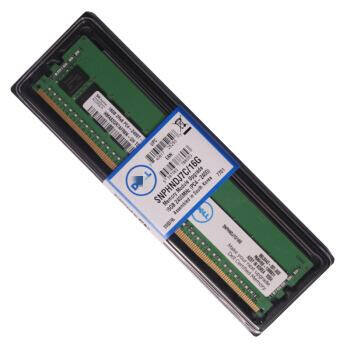
Understanding Modern Server Memory Architecture
Server memory stands at the heart of data center performance, acting as the crucial bridge between processing power and data access speeds. Today's enterprise computing demands have pushed memory technologies to new heights, with DDR4 and DDR5 representing the cutting edge of server memory solutions. As organizations scale their operations and handle increasingly complex workloads, understanding these memory technologies becomes essential for IT professionals and system architects.
The evolution of server memory technology reflects the growing needs of modern computing environments. From artificial intelligence and machine learning to real-time analytics and virtualization, the requirements for faster, more efficient memory continue to drive innovation in this space. The transition from DDR4 to DDR5 marks a significant milestone in this journey, offering new possibilities for data center optimization and performance enhancement.
DDR4 Server Memory Technology
Core Architecture and Specifications
DDR4 server memory has been the industry standard since its introduction in 2014, delivering reliable performance for enterprise computing needs. Operating at base frequencies between 2133 MHz and 3200 MHz, DDR4 modules feature improved voltage efficiency compared to their predecessors, typically running at 1.2V. This reduction in operating voltage has made DDR4 a popular choice for energy-conscious data centers.
The architecture of DDR4 server memory incorporates several key innovations, including bank groups for better command and timing parameters, as well as improved error detection and correction capabilities. These features have proven essential for maintaining data integrity in mission-critical applications, while the increased module density options up to 256GB per DIMM have supported the growth of memory-intensive workloads.
Performance Characteristics
DDR4 memory modules excel in delivering consistent performance across various server configurations. With data transfer rates ranging from 17GB/s to 25.6GB/s, DDR4 server memory provides sufficient bandwidth for most current enterprise applications. The technology's mature ecosystem has also led to optimized memory controllers and well-established compatibility across different server platforms.
Latency management in DDR4 has been refined over years of implementation, resulting in predictable and reliable performance characteristics. The CAS latency typically ranges from CL15 to CL22, offering a balance between access speeds and stability that many organizations have come to depend on for their operations.
DDR5 Server Memory Advancements
Revolutionary Design Changes
DDR5 represents a significant leap forward in server memory technology, introducing fundamental changes to memory architecture. The most notable improvements include doubled burst length to 16 bits, enhanced channel architecture with two independent 32-bit channels per module, and improved power management through on-module voltage regulation. These changes enable DDR5 to achieve substantially higher performance levels while maintaining energy efficiency.
The new architecture incorporates advanced error correction capabilities, including on-die ECC and enhanced error detection mechanisms. This improved reliability is particularly valuable for high-performance computing environments where data integrity is paramount. The power management innovations in DDR5 server memory also include more granular voltage control, allowing for better optimization of power consumption based on workload demands.
Performance Capabilities
DDR5 server memory pushes the boundaries of performance with base frequencies starting at 4800 MHz and a roadmap extending to 8400 MHz and beyond. These higher frequencies translate to theoretical bandwidth capabilities exceeding 64GB/s per module, representing a substantial improvement over DDR4. The enhanced channel architecture also enables more efficient handling of parallel operations, benefiting applications that require high memory throughput.
The increased performance potential of DDR5 comes with refined timing parameters and improved command rates. While initial CAS latencies may appear higher than DDR4, the overall impact on real-world performance is offset by the significantly higher operating frequencies and architectural improvements.
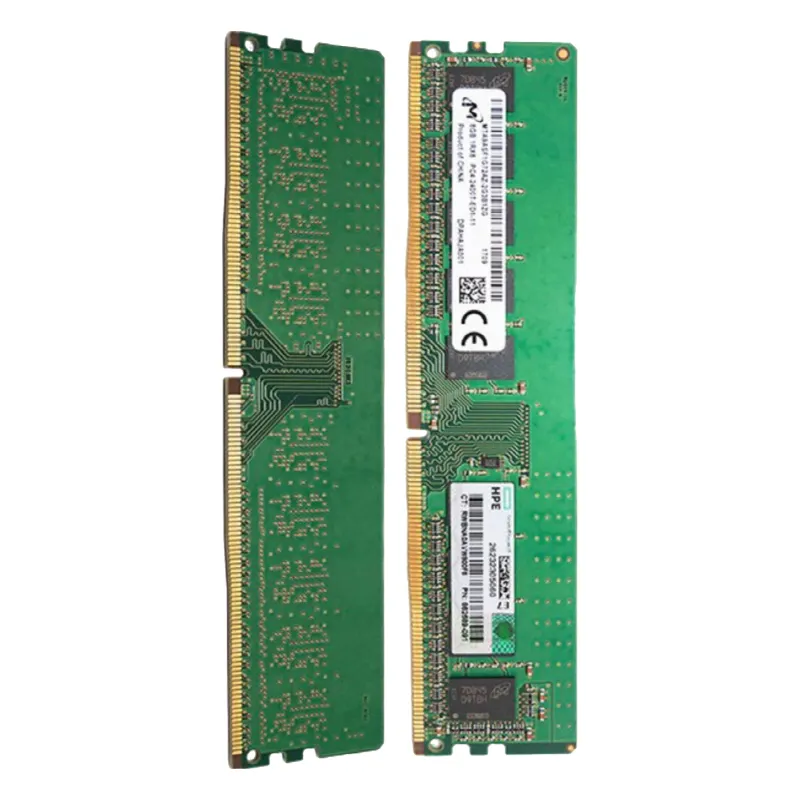
Comparative Analysis for Enterprise Applications
Performance Benchmarks
When evaluating server memory options for enterprise deployments, performance benchmarks reveal significant differences between DDR4 and DDR5 technologies. In memory-intensive applications such as database operations and virtualized environments, DDR5 demonstrates bandwidth improvements of 30-50% compared to DDR4. These gains can translate into tangible benefits for organizations running data-heavy workloads or supporting large numbers of concurrent users.
Real-world testing shows that DDR5 server memory excels particularly in scenarios involving complex calculations and large dataset processing. However, the actual performance impact varies depending on the specific application requirements and system configuration. Organizations must carefully assess their workload characteristics to determine whether the additional performance justifies the investment in DDR5 technology.
Total Cost of Ownership
The economic considerations of server memory selection extend beyond initial purchase prices. DDR5 modules currently command a premium over DDR4, but this cost differential must be weighed against potential operational benefits. Factors such as power efficiency, cooling requirements, and performance per watt play crucial roles in determining the total cost of ownership.
Organizations must also consider the lifecycle implications of their memory choice. While DDR4 represents a mature technology with established pricing and availability, DDR5 offers longer-term viability and potential for future performance improvements through higher-speed modules as they become available. The decision between DDR4 and DDR5 server memory often depends on balancing immediate budget constraints against long-term strategic objectives.
Implementation Strategy and Best Practices
Migration Planning
Transitioning between memory technologies requires careful planning and consideration of existing infrastructure. Organizations considering an upgrade to DDR5 server memory must evaluate their current hardware compatibility, application requirements, and performance objectives. A phased approach to migration often proves most practical, allowing for controlled testing and validation of new configurations.
Successful implementation strategies typically include comprehensive testing of critical applications with new memory configurations, assessment of power and cooling requirements, and development of rollback procedures. IT teams should also consider the timing of hardware refresh cycles and align memory upgrades with broader infrastructure modernization initiatives.
Optimization Guidelines
Maximizing the benefits of server memory investments requires attention to system configuration and optimization. For DDR5 deployments, this includes proper configuration of memory controllers, BIOS settings, and operating system parameters to take full advantage of the new architecture. Regular monitoring and performance tuning help ensure that memory resources are utilized efficiently across all workloads.
Organizations should also implement robust monitoring and maintenance procedures to track memory performance, detect potential issues, and maintain optimal operation. This includes regular assessment of memory utilization patterns, error rates, and performance metrics to guide ongoing optimization efforts.
Frequently Asked Questions
What are the key benefits of upgrading to DDR5 server memory?
DDR5 server memory offers significantly higher bandwidth, improved power efficiency, and enhanced error correction capabilities compared to DDR4. The technology provides better support for future workloads and features an advanced architecture that enables improved parallel processing and memory management.
Can DDR4 and DDR5 memory modules be mixed in the same server?
No, DDR4 and DDR5 modules are not compatible and cannot be mixed within the same system. Servers must be specifically designed for either DDR4 or DDR5 memory, and all installed modules must be of the same generation.
How does the power efficiency of DDR5 compare to DDR4?
DDR5 server memory introduces improved power management features, including on-module voltage regulation and more efficient operating characteristics. While DDR5 can operate at higher frequencies, its advanced power management capabilities often result in better overall efficiency compared to DDR4, particularly in high-performance computing scenarios.