
 EN
EN



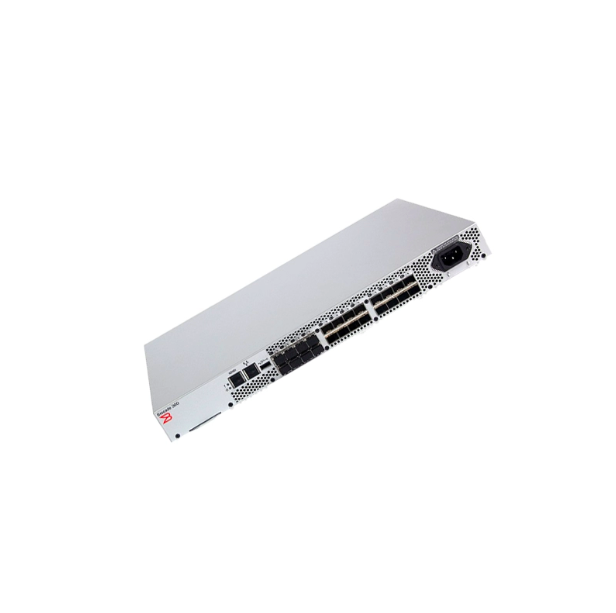
In today's rapidly evolving digital landscape, data centers serve as the backbone of modern business operations, requiring robust networking infrastructure to handle massive data volumes and ensure seamless connectivity. When evaluating networking equipment for data center backbone applications, organizations must carefully assess various factors that determine performance, reliability, and scalability. The selection process involves comprehensive analysis of technical specifications, operational requirements, and long-term strategic goals to ensure optimal network performance.
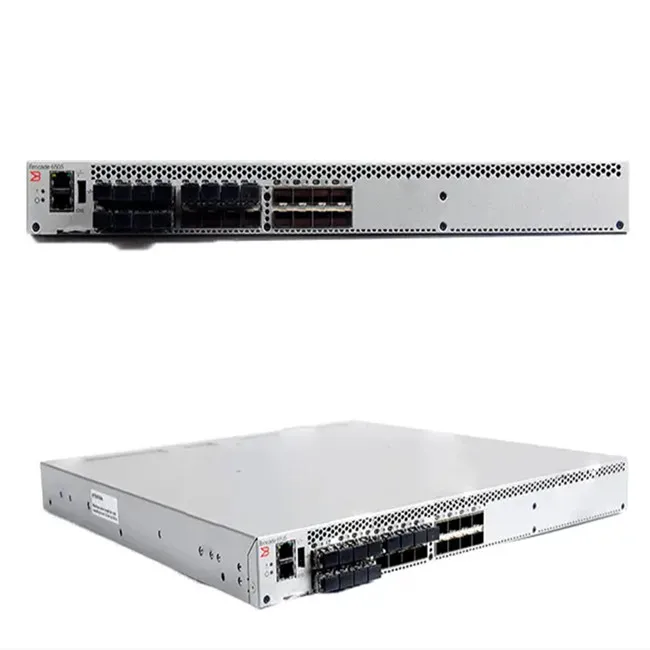
Performance Metrics and Bandwidth Requirements
Throughput and Latency Considerations
The primary performance indicator for any fiber switch deployment in data center environments is throughput capacity. Modern data centers require switches that can handle multi-gigabit traffic flows without introducing bottlenecks or performance degradation. Latency measurements become critical when evaluating switching equipment, as even microsecond delays can impact application performance in high-frequency trading, real-time analytics, and other time-sensitive operations.
Network administrators must examine both wire-speed forwarding capabilities and buffer management efficiency when assessing potential switching solutions. The ability to maintain consistent performance under varying load conditions demonstrates the quality and reliability of the switching architecture. Advanced fiber switch designs incorporate dedicated switching fabrics and intelligent traffic management algorithms to minimize latency while maximizing throughput.
Scalability and Port Density Analysis
Port density represents another crucial factor in fiber switch evaluation, particularly for data center backbone implementations where space and power consumption are premium considerations. High-density switches reduce rack space requirements while providing flexibility for future expansion needs. The evaluation process must consider both current connectivity requirements and projected growth over the equipment's operational lifespan.
Modular switching platforms offer advantages in scalability, allowing organizations to add line cards or expansion modules as network demands increase. This approach provides cost-effective growth paths while maintaining consistent management interfaces and operational procedures across the infrastructure.
Reliability and Redundancy Features
Hardware Redundancy Mechanisms
Data center backbone applications demand exceptional reliability, making redundancy features essential evaluation criteria for fiber switch selection. Dual power supplies, redundant cooling systems, and hot-swappable components ensure continuous operation even during hardware failures or maintenance activities. The mean time between failures (MTBF) rating provides quantitative reliability metrics for comparison between different switching platforms.
Advanced fiber switch designs incorporate self-monitoring capabilities that proactively identify potential failure points before they impact network operations. These predictive maintenance features reduce unplanned downtime and enable proactive replacement of aging components.
Software and Protocol Resilience
Software reliability encompasses both the switching operating system stability and the implementation of network protocols that provide automatic failover capabilities. Spanning Tree Protocol (STP) variants, link aggregation protocols, and dynamic routing capabilities contribute to overall network resilience by providing alternative paths during link or node failures.
The evaluation process should include testing of software update procedures, configuration backup and restore capabilities, and the vendor's track record for security patch deployment. Regular software maintenance without service interruption becomes increasingly important as data center operations extend to 24/7 availability requirements.
Management and Monitoring Capabilities
Network Visibility and Analytics
Comprehensive monitoring capabilities enable network administrators to maintain optimal performance and quickly identify potential issues before they impact business operations. Modern fiber switch platforms provide detailed visibility into traffic patterns, utilization statistics, and performance metrics through both command-line interfaces and graphical management systems.
Integration with network management platforms allows centralized monitoring of multiple switches across the data center infrastructure. SNMP support, syslog capabilities, and API access enable automated monitoring solutions that can trigger alerts and initiate corrective actions based on predefined thresholds and conditions.
Configuration Management and Automation
Efficient configuration management becomes critical in large-scale data center deployments where manual configuration of individual switches becomes time-consuming and error-prone. Fiber switch platforms that support configuration templates, bulk deployment tools, and integration with infrastructure-as-code frameworks significantly reduce operational overhead.
Zero-touch provisioning capabilities allow new switches to automatically download configurations and software images upon initial connection to the network. This automation reduces deployment time and ensures consistent configuration standards across the infrastructure.
Security and Access Control Features
Authentication and Authorization Mechanisms
Security considerations play an increasingly important role in fiber switch evaluation as data centers become targets for sophisticated cyber attacks. Multi-factor authentication, role-based access controls, and integration with enterprise directory services ensure that only authorized personnel can access switch management interfaces.
Port-based security features, including MAC address filtering, 802.1X authentication, and dynamic VLAN assignment, provide granular control over network access at the switch level. These capabilities prevent unauthorized devices from accessing the network and enable automatic quarantine of potentially compromised systems.
Encryption and Data Protection
While fiber optic connections provide inherent security advantages over copper-based networks, additional encryption capabilities at the switch level provide defense-in-depth protection for sensitive data transmissions. MACsec encryption support enables wire-speed encryption of data frames without impacting network performance.
The evaluation process should consider both the availability of encryption features and their impact on switching performance. Hardware-accelerated encryption engines ensure that security features do not compromise the throughput and latency requirements of data center backbone applications.
Cost Analysis and Total Ownership Considerations
Initial Investment and Deployment Costs
The financial evaluation of fiber switch options extends beyond the initial purchase price to include deployment, configuration, and integration costs. Training requirements for network staff, professional services for initial deployment, and any necessary infrastructure modifications contribute to the total implementation cost.
Fiber switch platforms with intuitive management interfaces and comprehensive documentation reduce the learning curve for network administrators, potentially decreasing training costs and accelerating deployment timelines. Compatibility with existing network management tools and procedures also impacts the overall implementation effort and associated costs.
Operational Expenses and Maintenance Requirements
Long-term operational costs include software licensing fees, maintenance contracts, power consumption, and cooling requirements. Energy-efficient fiber switch designs reduce ongoing electrical costs while contributing to environmental sustainability goals. The evaluation should consider both absolute power consumption and performance per watt metrics.
Maintenance contract terms, spare parts availability, and vendor support responsiveness significantly impact the total cost of ownership over the equipment's operational lifespan. Vendors with local support presence and comprehensive spare parts inventory typically provide better value despite potentially higher initial costs.
Future-Proofing and Technology Evolution
Standards Compliance and Interoperability
Technology standardization ensures long-term viability and interoperability with equipment from multiple vendors. Fiber switch evaluation should verify compliance with current industry standards while considering the vendor's participation in emerging standard development efforts.
Open networking initiatives and software-defined networking capabilities provide flexibility for future technology adoption without requiring complete infrastructure replacement. Switches that support standard APIs and programmable interfaces enable integration with evolving network automation and orchestration platforms.
Upgrade Paths and Lifecycle Management
The rapid pace of technology evolution in data center networking requires careful consideration of upgrade paths and equipment lifecycle management strategies. Modular fiber switch architectures allow selective upgrade of components while preserving existing investments in chassis and management infrastructure.
Vendor roadmaps and technology migration strategies provide insight into long-term viability and support commitment. Organizations should evaluate the vendor's history of supporting legacy products and their approach to technology transitions to ensure continued support throughout the equipment's operational life.
FAQ
What are the key performance indicators when evaluating fiber switches for data center use
The primary performance indicators include throughput capacity measured in gigabits per second, latency measured in microseconds, packet forwarding rates, and buffer capacity. Additionally, organizations should evaluate port density, power consumption per port, and the switch's ability to maintain wire-speed performance under full load conditions across all ports simultaneously.
How important is vendor support and maintenance for fiber switch deployments
Vendor support plays a critical role in data center operations where downtime can result in significant business impact. Key factors include support response time commitments, availability of local technical resources, spare parts inventory locations, and the vendor's track record for resolving critical issues. Comprehensive maintenance agreements with guaranteed response times are essential for mission-critical deployments.
What security features should be prioritized in fiber switch selection
Essential security features include role-based access control with multi-factor authentication, port-based security with MAC address filtering, support for 802.1X authentication, and hardware-accelerated MACsec encryption capabilities. Additionally, secure management protocols, regular security updates from the vendor, and integration with enterprise security management platforms enhance overall network security posture.
How do organizations balance cost considerations with performance requirements
Effective cost-performance optimization requires analysis of total cost of ownership including initial purchase price, deployment costs, ongoing operational expenses, and potential upgrade costs. Organizations should establish minimum performance thresholds based on application requirements and evaluate solutions that meet these criteria while optimizing for long-term value rather than lowest initial cost.
Table of Contents
- Performance Metrics and Bandwidth Requirements
- Reliability and Redundancy Features
- Management and Monitoring Capabilities
- Security and Access Control Features
- Cost Analysis and Total Ownership Considerations
- Future-Proofing and Technology Evolution
-
FAQ
- What are the key performance indicators when evaluating fiber switches for data center use
- How important is vendor support and maintenance for fiber switch deployments
- What security features should be prioritized in fiber switch selection
- How do organizations balance cost considerations with performance requirements