
 EN
EN



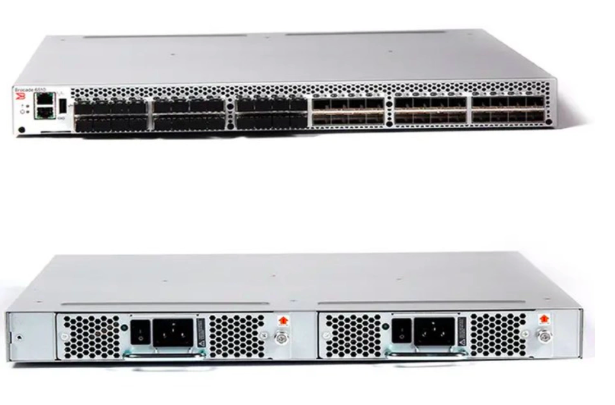
When sourcing networking equipment for large-scale deployments, understanding port density specifications becomes critical for both cost efficiency and performance optimization. A fiber switch represents a significant investment in network infrastructure, and selecting the right port configuration can determine the success of your entire data center or enterprise network deployment. Organizations frequently overlook key density specifications that directly impact scalability, power consumption, and long-term operational costs when evaluating bulk purchasing decisions.
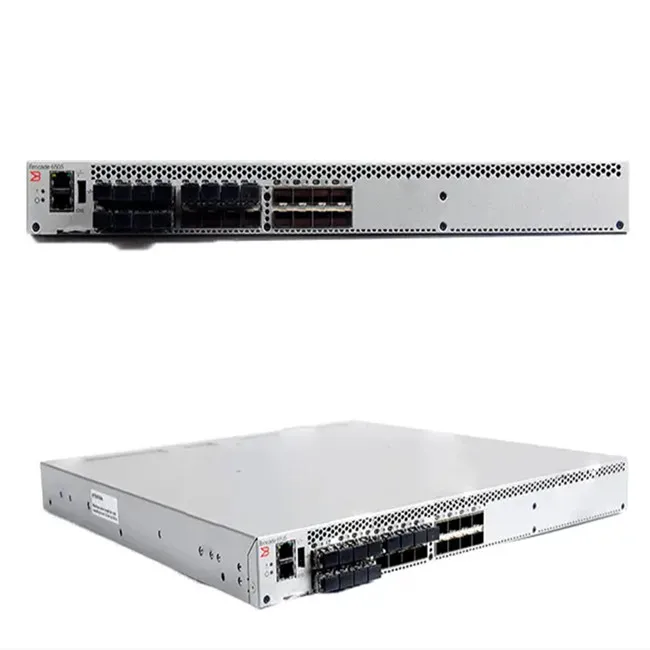
Port density fundamentally affects rack space utilization and determines how efficiently you can deploy fiber connectivity across your infrastructure. Modern enterprise environments demand high-density solutions that maximize bandwidth per rack unit while maintaining reliable performance characteristics. The relationship between port count, physical dimensions, and power requirements creates a complex optimization problem that requires careful analysis of your specific deployment requirements and growth projections.
Understanding Port Density Fundamentals in Fiber Switching
Physical Port Count vs Effective Throughput
The total number of ports on a fiber switch does not necessarily correlate with maximum effective throughput in real-world applications. Each port must be evaluated based on its supported speeds, duplex capabilities, and the switch's internal architecture limitations. A 48-port fiber switch might offer impressive connectivity options, but the backplane capacity and switching fabric determine whether all ports can operate simultaneously at full speed without creating bottlenecks.
Oversubscription ratios become particularly important when analyzing port density specifications for bulk deployments. Many switches employ oversubscription to reduce costs while providing adequate performance for typical usage patterns. Understanding these ratios helps procurement teams make informed decisions about whether a particular fiber switch configuration will meet their performance requirements under peak load conditions.
Rack Unit Efficiency and Space Optimization
Port density directly impacts data center real estate costs, which represent a substantial portion of total cost of ownership. A single rack unit can accommodate varying numbers of fiber ports depending on the switch design, connector type, and cooling requirements. Comparing port density per rack unit across different vendors reveals significant variations that affect both initial deployment costs and future expansion capabilities.
Form factor considerations extend beyond simple port counting to include cable management requirements, airflow patterns, and maintenance accessibility. High-density fiber switch deployments require careful planning for cable routing, especially when dealing with hundreds of fiber connections in a confined space. The physical layout of ports affects installation time, ongoing maintenance costs, and the likelihood of human error during configuration changes.
Power Consumption and Thermal Management Considerations
Power per Port Analysis
Power consumption scales non-linearly with port density in most fiber switch designs, making it essential to analyze power efficiency metrics when sourcing equipment in bulk. Higher port densities often require more sophisticated cooling systems and may demand higher-grade power supplies to maintain stable operation. The relationship between port count and power consumption varies significantly across different switch architectures and vendor implementations.
Energy efficiency becomes particularly critical in large-scale deployments where hundreds of switches operate continuously. A fiber switch with poor power efficiency can substantially increase operational costs over the equipment's lifespan. Modern switches incorporate various power management features, including port-level power control and dynamic power scaling, which can significantly reduce overall energy consumption in typical enterprise environments.
Thermal Design and Cooling Requirements
High port density creates concentrated heat sources that require sophisticated thermal management solutions. The physical arrangement of ports, internal component layout, and airflow design all contribute to thermal performance. Inadequate cooling can lead to reduced port performance, increased error rates, and shortened equipment lifespan, making thermal considerations crucial for bulk purchasing decisions.
Data center cooling costs increase dramatically when switches generate excessive heat or require specialized cooling arrangements. Understanding the thermal characteristics of different fiber switch configurations helps optimize overall infrastructure efficiency. Some high-density switches require additional cooling capacity that may not be immediately apparent from basic specifications, potentially increasing total deployment costs beyond initial expectations.
Performance Scaling and Bandwidth Architecture
Switching Fabric Capacity
The internal switching fabric determines how effectively a fiber switch can handle traffic between its ports, regardless of the total port count. Fabric capacity must exceed the aggregate throughput requirements of all connected ports to prevent performance degradation. Many switches advertise high port counts but provide insufficient internal bandwidth to support full-speed operation across all ports simultaneously.
Non-blocking architecture represents the ideal scenario where any port can communicate with any other port at full speed without contention. However, most commercially available switches employ some degree of oversubscription to balance cost and performance. Understanding the specific oversubscription ratios and how they affect your traffic patterns helps ensure adequate performance for your deployment requirements.
Latency and Buffer Management
Port density affects switching latency through increased internal path lengths and more complex arbitration mechanisms. fiber switch architectures with higher port densities may introduce additional latency that can impact performance-sensitive applications. Buffer allocation strategies also become more complex as port counts increase, potentially affecting how the switch handles traffic bursts and congestion scenarios.
Quality of Service implementations must scale effectively across all ports to maintain consistent performance characteristics. Higher density switches require more sophisticated QoS engines to manage traffic prioritization and bandwidth allocation across numerous concurrent connections. The complexity of QoS configuration often increases with port density, affecting operational overhead and requiring more specialized expertise for ongoing management.
Connectivity Options and Interface Flexibility
Port Type Diversity and Migration Paths
Modern fiber switch deployments benefit from flexible port configurations that support multiple interface types and speeds. Mixed-speed environments require switches that can accommodate legacy equipment while providing upgrade paths to higher-speed technologies. Port density specifications should include detailed breakdowns of supported interface types, maximum speeds, and any limitations on concurrent operation of different port types.
Future-proofing considerations become critical when investing in high-density fiber switches for bulk deployments. Equipment lifecycles typically span several years, during which connectivity requirements may evolve significantly. Switches with modular port configurations or software-configurable interfaces provide greater flexibility for adapting to changing requirements without requiring complete hardware replacement.
Optical Transceiver Compatibility
Port density specifications must account for optical transceiver requirements, compatibility matrices, and power budgets. Different transceiver types consume varying amounts of power and generate different heat loads, affecting the maximum supportable port density under specific configurations. Third-party transceiver compatibility can significantly impact total cost of ownership, making vendor policies and testing procedures important considerations.
Transceiver power consumption adds to the overall switch power budget and may limit the number of ports that can operate simultaneously at maximum performance. Hot-swappable transceiver support enables ongoing maintenance and upgrades without disrupting network operations, but requires careful consideration of mechanical design and thermal management around high-density port arrays.
Management and Monitoring Scalability
Configuration Management Complexity
Higher port densities create exponentially more complex configuration management requirements. A fiber switch with numerous ports requires sophisticated management tools to handle VLAN configurations, security policies, and performance monitoring across all interfaces efficiently. Automation capabilities become essential for managing large numbers of ports without introducing configuration errors or operational inefficiencies.
Network management system integration affects how effectively administrators can monitor and control high-density fiber switch deployments. Standardized management interfaces and comprehensive SNMP support enable integration with existing network monitoring infrastructure. The complexity of managing hundreds of individual port configurations requires robust configuration management tools and well-designed operational procedures.
Troubleshooting and Diagnostic Capabilities
Diagnostic capabilities must scale effectively with port density to enable rapid identification and resolution of connectivity issues. Built-in diagnostic tools, port-level monitoring, and comprehensive logging become increasingly important as the number of managed interfaces grows. Remote diagnostic capabilities reduce the need for on-site troubleshooting, particularly important in distributed deployments with multiple high-density switches.
Performance monitoring granularity affects operational efficiency and problem resolution times. Per-port statistics, error counters, and performance metrics enable proactive identification of potential issues before they affect network performance. High-density deployments generate substantial amounts of monitoring data, requiring efficient data collection and analysis capabilities to extract actionable insights.
Cost Optimization and Total Cost of Ownership
Initial Capital Investment vs Operational Costs
Port density directly affects the relationship between initial capital investment and long-term operational costs. Higher-density switches typically command premium pricing but may offer better cost per port and reduced operational overhead. Bulk purchasing decisions must balance upfront costs against ongoing expenses including power consumption, cooling requirements, and management overhead.
Lifecycle cost analysis becomes critical when evaluating different fiber switch configurations for large-scale deployments. Factors including warranty terms, support costs, software licensing, and upgrade paths all contribute to total cost of ownership. Higher port densities may reduce some operational costs while potentially increasing others, requiring comprehensive analysis of the specific deployment environment and requirements.
Scalability and Future Expansion Planning
Port density specifications affect how easily networks can accommodate future growth without requiring major infrastructure changes. Over-provisioning port capacity provides flexibility for expansion but increases initial costs and power consumption. Under-provisioning may result in premature equipment replacement or costly infrastructure modifications when capacity requirements exceed available ports.
Modular fiber switch architectures offer advantages for managing uncertain growth requirements by enabling incremental capacity additions. Fixed-port high-density switches may offer better port-to-cost ratios but provide less flexibility for adapting to changing requirements. The optimal choice depends on growth projections, budget constraints, and operational preferences for your specific deployment scenario.
FAQ
What is the optimal port density for a typical enterprise fiber switch deployment
The optimal port density depends on your specific requirements, but most enterprise deployments benefit from switches offering 24-48 ports for access layers and higher densities for aggregation and core layers. Consider factors including rack space constraints, power availability, expected growth rates, and management complexity when determining the ideal port density for your environment.
How does port density affect fiber switch reliability and maintenance requirements
Higher port densities can increase complexity and potential failure points, but modern fiber switch designs incorporate redundancy and hot-swappable components to maintain high reliability. Maintenance requirements may increase with port density due to more connections and cables, but proper cable management and documentation can minimize operational overhead while ensuring reliable operation.
What power and cooling considerations are critical for high-density fiber switch deployments
High-density fiber switch deployments require careful analysis of power consumption per port, cooling capacity, and thermal management. Consider both switch power consumption and transceiver power requirements when calculating total power needs. Ensure adequate cooling capacity and proper airflow patterns to maintain optimal operating temperatures and prevent performance degradation.
How should organizations approach bulk sourcing of fiber switches with different port densities
Bulk sourcing should focus on standardizing on a limited number of port density configurations to simplify operations and maintenance while negotiating better pricing. Consider your deployment timeline, growth projections, and operational capabilities when selecting port densities. Evaluate total cost of ownership including power, cooling, management overhead, and potential future migration costs to make informed bulk purchasing decisions.
Table of Contents
- Understanding Port Density Fundamentals in Fiber Switching
- Power Consumption and Thermal Management Considerations
- Performance Scaling and Bandwidth Architecture
- Connectivity Options and Interface Flexibility
- Management and Monitoring Scalability
- Cost Optimization and Total Cost of Ownership
-
FAQ
- What is the optimal port density for a typical enterprise fiber switch deployment
- How does port density affect fiber switch reliability and maintenance requirements
- What power and cooling considerations are critical for high-density fiber switch deployments
- How should organizations approach bulk sourcing of fiber switches with different port densities