
 EN
EN



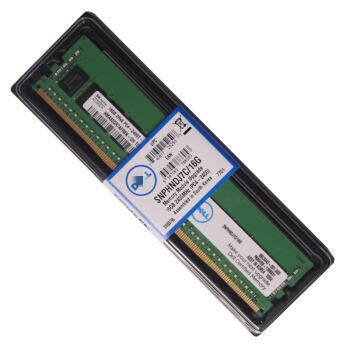
Modern server environments demand exceptional memory performance to handle increasingly complex workloads and data processing requirements. As organizations scale their operations and adopt advanced technologies, the choice between DDR4 memory and its predecessor DDR3 becomes critical for optimal server performance. Understanding the fundamental differences and advantages of DDR4 memory technology can significantly impact your infrastructure decisions and overall system efficiency.
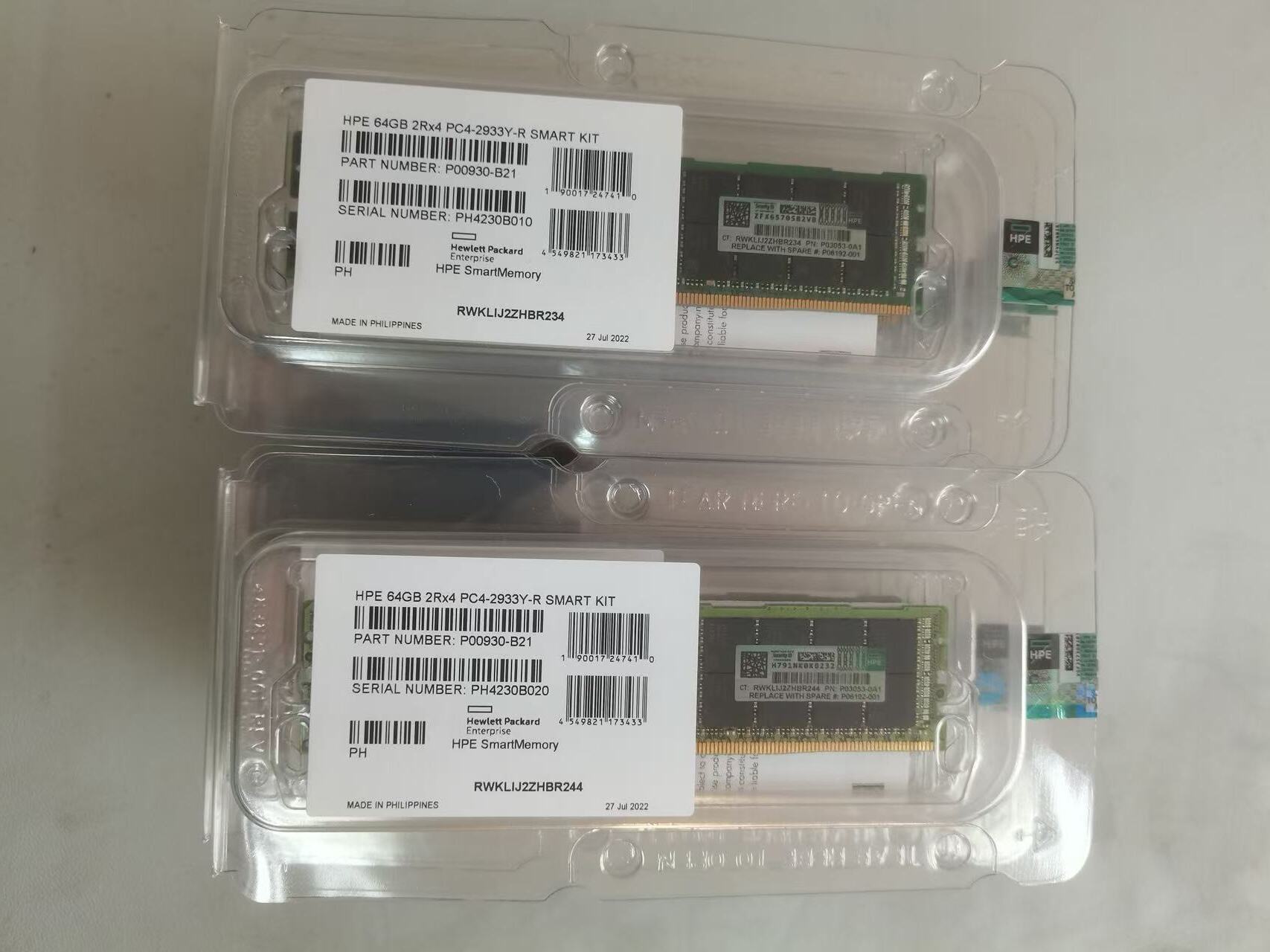
Performance Enhancements in DDR4 Memory Architecture
Speed and Bandwidth Improvements
DDR4 memory delivers substantially higher data transfer rates compared to DDR3 technology, with standard speeds ranging from 2133 MHz to 3200 MHz and beyond. This increased frequency translates to enhanced bandwidth capabilities, allowing servers to process larger volumes of data simultaneously. The improved speed characteristics of DDR4 memory enable applications to access stored information more rapidly, reducing latency and improving overall system responsiveness.
Server applications benefit tremendously from these bandwidth improvements, particularly in scenarios involving database operations, virtualization, and real-time analytics. The enhanced data throughput enables more efficient memory access patterns, allowing processors to maintain higher utilization rates without waiting for memory subsystem responses. This performance boost becomes especially noticeable in memory-intensive workloads where traditional DDR3 modules would create bottlenecks.
Advanced Memory Timing and Latency
While DDR4 memory operates at higher frequencies, the technology also incorporates sophisticated timing optimizations that minimize access latencies. Advanced prefetch buffers and improved command scheduling mechanisms ensure that memory requests are processed more efficiently. These architectural enhancements result in better overall system performance despite slightly higher absolute latency values compared to DDR3.
The intelligent memory management features in DDR4 memory include enhanced bank group architecture, which allows for more concurrent memory operations. This parallel processing capability enables servers to handle multiple memory requests simultaneously, improving multitasking performance and reducing contention between different applications or virtual machines running on the same hardware platform.
Power Efficiency and Thermal Management
Reduced Operating Voltage Requirements
One of the most significant advantages of DDR4 memory lies in its reduced power consumption profile. Operating at 1.2 volts compared to DDR3's 1.5-volt requirement, DDR4 modules consume approximately 20% less power while delivering superior performance. This voltage reduction translates to substantial energy savings in large-scale server deployments, where hundreds or thousands of memory modules contribute to overall power consumption.
The lower power requirements of DDR4 memory technology extend beyond simple energy savings, contributing to improved system reliability and reduced operational costs. Data centers operating extensive server farms can achieve meaningful reductions in electricity expenses while maintaining or improving computational capacity. The cumulative effect of these power savings becomes increasingly significant as organizations scale their infrastructure.
Enhanced Thermal Characteristics
Improved power efficiency directly correlates with better thermal management in server environments. DDR4 memory generates less heat during operation, reducing the thermal load on cooling systems and improving overall system stability. Lower operating temperatures contribute to extended component lifespan and reduced risk of thermal-related failures in mission-critical server applications.
The superior thermal characteristics of DDR4 memory enable higher density configurations without compromising system reliability. Servers can accommodate more memory modules while maintaining acceptable operating temperatures, allowing for greater memory capacity within existing thermal design parameters. This capability proves particularly valuable in space-constrained server environments where cooling efficiency is paramount.
Capacity and Scalability Advantages
Higher Density Memory Modules
DDR4 memory technology supports significantly higher capacity modules compared to DDR3, with individual modules available in capacities ranging from 4GB to 128GB or more. This increased density enables servers to achieve substantial total memory capacity using fewer physical slots, improving system efficiency and reducing complexity. The ability to install DDR4 memory modules with higher individual capacity simplifies memory configuration and reduces the number of required components.
Higher capacity modules also contribute to improved memory channel utilization and reduced memory controller overhead. Servers can achieve target memory capacity with fewer modules, potentially improving overall system performance by reducing memory address translation complexity and improving cache efficiency. This scalability advantage becomes increasingly important as applications demand larger memory footprints.
Improved Memory Channel Architecture
DDR4 memory incorporates advanced memory channel designs that enable better scalability and performance optimization. The technology supports more sophisticated memory topologies, allowing for improved signal integrity and higher operational frequencies even in fully populated memory configurations. These architectural improvements ensure that servers can achieve optimal performance across various memory configurations.
The enhanced channel architecture of DDR4 memory also provides better support for memory interleaving and advanced memory management features. These capabilities enable more efficient memory access patterns and improved performance consistency across different workload types. Server applications benefit from more predictable memory performance characteristics, facilitating better application optimization and system tuning.
Reliability and Data Integrity Features
Advanced Error Detection and Correction
DDR4 memory incorporates sophisticated error detection and correction mechanisms that enhance data reliability in server environments. Advanced ECC capabilities provide comprehensive protection against single-bit errors and detection of multi-bit errors, ensuring data integrity in mission-critical applications. These reliability features are essential for servers handling sensitive data or supporting business-critical operations.
The improved error handling capabilities of DDR4 memory extend beyond traditional ECC functionality, incorporating advanced features such as data bus inversion and improved signal integrity mechanisms. These technologies work together to reduce the likelihood of memory errors and improve overall system reliability. Servers equipped with DDR4 memory demonstrate better uptime characteristics and reduced risk of data corruption.
Enhanced Signal Integrity and Stability
DDR4 memory technology includes numerous signal integrity improvements that enhance operational stability and reliability. Advanced on-die termination, improved power delivery networks, and enhanced signal routing contribute to more stable memory operations across various environmental conditions. These improvements are particularly important in server environments where consistent performance is critical.
The signal integrity enhancements in DDR4 memory also enable more reliable operation at higher frequencies and in densely populated memory configurations. Servers can achieve optimal memory performance without compromising reliability, even when operating at maximum capacity. These stability improvements contribute to better overall system reliability and reduced maintenance requirements.
Economic and Operational Benefits
Total Cost of Ownership Considerations
While DDR4 memory modules may carry higher initial costs compared to DDR3, the total cost of ownership advantages become apparent through reduced power consumption, improved performance, and enhanced reliability. The energy savings achieved through lower operating voltage requirements contribute to reduced operational expenses over the system lifecycle. Organizations can realize significant cost benefits through reduced electricity consumption and cooling requirements.
The performance improvements delivered by DDR4 memory technology can also contribute to reduced infrastructure requirements by enabling individual servers to handle greater workloads. This increased efficiency can translate to reduced hardware requirements and associated costs, including reduced rack space, power infrastructure, and cooling capacity needs.
Future-Proofing and Technology Compatibility
Investing in DDR4 memory technology provides better future-proofing for server infrastructure, as newer processor architectures and server platforms increasingly focus on DDR4 compatibility. The technology roadmap for DDR4 memory continues to evolve, with ongoing improvements in speed, capacity, and efficiency. Organizations investing in DDR4 memory can benefit from these continued technological advances.
The widespread adoption of DDR4 memory across the industry ensures better long-term availability and competitive pricing as manufacturing volumes increase. This market maturity provides organizations with greater flexibility in sourcing memory modules and reduces the risk of technology obsolescence. DDR4 memory represents a solid investment for organizations planning long-term server deployments.
FAQ
Can DDR4 memory be used as a direct replacement for DDR3 in existing servers
DDR4 memory is not directly compatible with DDR3 memory slots due to different physical interfaces and electrical requirements. Upgrading to DDR4 memory requires server motherboards specifically designed to support DDR4 technology, including compatible memory controllers and appropriate slot configurations. Organizations considering memory upgrades must evaluate their existing hardware compatibility before transitioning to DDR4 technology.
What performance improvements can be expected when migrating from DDR3 to DDR4 memory
Server applications typically experience 10-30% performance improvements when migrating from DDR3 to DDR4 memory, depending on the specific workload characteristics and system configuration. Memory-intensive applications such as databases, virtualization platforms, and analytics workloads tend to show the most significant benefits from DDR4 memory upgrades. The actual performance gain varies based on application memory access patterns and overall system architecture.
How does DDR4 memory pricing compare to DDR3 for server deployments
DDR4 memory pricing has reached competitive levels with DDR3 technology as manufacturing processes have matured and demand has increased. While initial cost per gigabyte may still be slightly higher for DDR4 memory, the total cost of ownership advantages through improved performance, power efficiency, and reliability often justify the investment. The price differential continues to decrease as DDR4 memory becomes the standard for new server deployments.
Are there specific server workloads that benefit most from DDR4 memory upgrades
Database servers, virtualization platforms, in-memory computing applications, and high-performance computing workloads typically demonstrate the greatest benefits from DDR4 memory technology. These applications require high memory bandwidth and capacity, making them ideal candidates for DDR4 memory upgrades. Real-time analytics, large-scale data processing, and memory-cached applications also show substantial performance improvements with DDR4 memory implementation.
Table of Contents
- Performance Enhancements in DDR4 Memory Architecture
- Power Efficiency and Thermal Management
- Capacity and Scalability Advantages
- Reliability and Data Integrity Features
- Economic and Operational Benefits
-
FAQ
- Can DDR4 memory be used as a direct replacement for DDR3 in existing servers
- What performance improvements can be expected when migrating from DDR3 to DDR4 memory
- How does DDR4 memory pricing compare to DDR3 for server deployments
- Are there specific server workloads that benefit most from DDR4 memory upgrades