
 EN
EN



Enterprise data centers face unprecedented demands for computational power, storage capacity, and network performance as digital transformation accelerates across industries. Organizations increasingly rely on robust infrastructure solutions to support cloud computing, artificial intelligence workloads, and massive data processing requirements. When planning data center expansion initiatives, enterprises must carefully evaluate server procurement strategies that align with performance objectives, budget constraints, and scalability requirements. The selection of appropriate hardware platforms directly impacts operational efficiency, total cost of ownership, and the ability to meet evolving business demands in competitive markets.
Strategic Planning for Enterprise Server Procurement
Assessment of Current Infrastructure Requirements
Successful server procurement begins with comprehensive assessment of existing infrastructure capabilities and identification of performance gaps that require immediate attention. Enterprise IT teams must analyze current workload distributions, peak utilization patterns, and projected growth trajectories to determine optimal server specifications. This evaluation process involves detailed review of CPU performance requirements, memory capacity needs, storage throughput demands, and network connectivity specifications that will support future business operations.
Modern enterprises typically conduct thorough capacity planning exercises that examine both short-term expansion needs and long-term strategic objectives. The assessment phase includes evaluation of application performance metrics, user experience requirements, and service level agreements that directly influence server selection criteria. Organizations must also consider compatibility requirements with existing infrastructure components, management tools, and operational procedures to ensure seamless integration of new hardware platforms.
Budget Planning and Financial Considerations
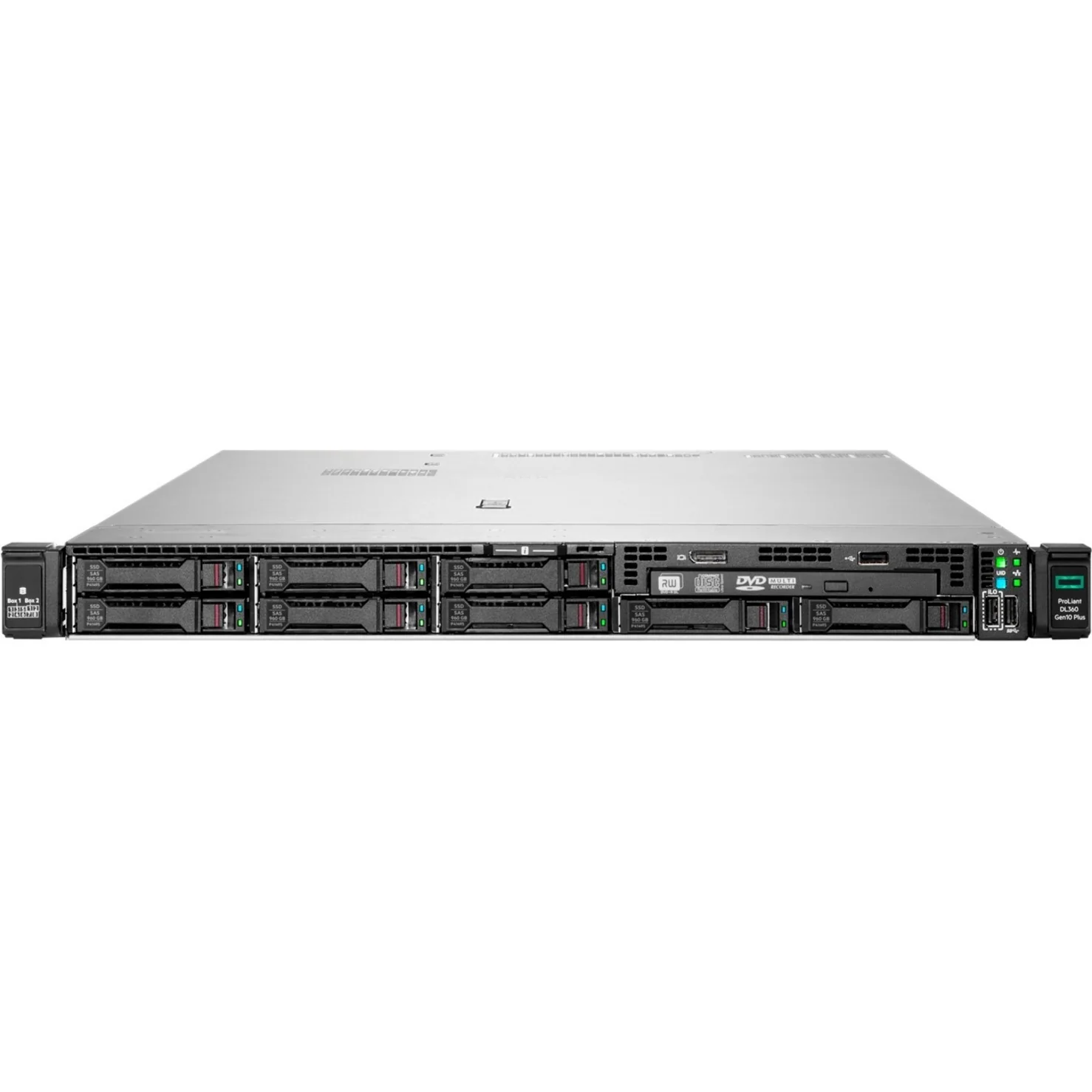
Enterprise server procurement requires careful financial planning that balances initial capital expenditure with ongoing operational costs throughout the equipment lifecycle. Organizations must evaluate total cost of ownership calculations that include hardware acquisition costs, maintenance expenses, power consumption, cooling requirements, and management overhead. The hpe server platform offers various financing options and service packages that help enterprises optimize their infrastructure investments while maintaining predictable operating expenses.
Budget planning processes should incorporate considerations for future expansion requirements, technology refresh cycles, and potential hardware upgrades that may become necessary during the server deployment period. Enterprise finance teams often prefer procurement strategies that provide flexibility for scaling infrastructure investments based on actual business growth patterns rather than committing to large upfront capital expenditures that may exceed immediate requirements.
Vendor Selection and Evaluation Process
Technical Specification Comparison
Enterprise procurement teams must conduct detailed technical evaluations that compare server specifications, performance characteristics, and compatibility features across multiple vendor offerings. The evaluation process involves analysis of processor architectures, memory configurations, storage options, network connectivity, and expansion capabilities that align with specific workload requirements. Organizations typically establish technical scorecards that weight different specification categories based on their relative importance to business objectives.
Performance benchmarking activities provide objective data for comparing server platforms under realistic operating conditions that simulate actual enterprise workloads. The hpe server ecosystem includes comprehensive performance testing tools and reference architectures that help organizations validate system capabilities before making procurement decisions. Technical evaluation processes should also examine power efficiency ratings, thermal management capabilities, and environmental compliance certifications that impact data center operations.
Vendor Support and Service Capabilities
Enterprise server procurement decisions must carefully evaluate vendor support capabilities, service level agreements, and ongoing maintenance programs that ensure reliable system operations. Organizations require comprehensive technical support services that include hardware warranty coverage, software support, proactive monitoring, and rapid response capabilities for critical system issues. The quality and availability of vendor support services directly impact system uptime, operational efficiency, and total cost of ownership calculations.
Evaluation of vendor service capabilities should include assessment of global support coverage, local technical expertise, parts availability, and escalation procedures for complex technical issues. Enterprise organizations often prefer vendors that offer flexible service packages, customizable support levels, and integration with existing IT service management processes to streamline operations and maintain consistent service delivery standards.
Procurement Implementation Strategies
Request for Proposal Development
Enterprise procurement processes typically involve development of comprehensive request for proposal documents that clearly specify technical requirements, service expectations, and commercial terms for server acquisitions. The RFP development process requires collaboration between IT technical teams, procurement specialists, and business stakeholders to ensure all critical requirements are properly documented and communicated to potential vendors. Well-structured RFPs facilitate objective vendor comparisons and help organizations negotiate favorable terms and conditions.
RFP documents should include detailed technical specifications, performance requirements, compatibility constraints, and service level expectations that vendors must address in their proposals. The hpe server specification process benefits from clear documentation of memory requirements, processor configurations, and storage capabilities that align with specific application workloads and performance objectives.
Vendor Negotiation and Contract Management
Successful server procurement requires skilled negotiation of commercial terms, technical specifications, and service agreements that protect enterprise interests while ensuring vendor profitability and long-term partnership viability. Negotiation processes should focus on achieving optimal pricing structures, flexible payment terms, comprehensive warranty coverage, and service level guarantees that support business objectives. Organizations often leverage competitive bidding processes to secure favorable terms and establish benchmark pricing for future procurements.
Contract management activities include establishment of clear delivery schedules, acceptance criteria, performance milestones, and remediation procedures that ensure successful project completion. Enterprise procurement teams must also negotiate appropriate intellectual property protections, data security requirements, and compliance certifications that meet organizational governance standards and regulatory obligations.
Implementation and Deployment Considerations
Data Center Preparation and Infrastructure Requirements
Successful hpe server deployment requires comprehensive data center preparation that addresses power distribution, cooling capacity, rack space allocation, and network connectivity requirements. Organizations must evaluate existing facility capabilities and identify infrastructure upgrades necessary to support new server installations. The preparation process includes assessment of electrical power requirements, cooling system capacity, floor loading specifications, and fire suppression system compatibility with planned hardware deployments.
Infrastructure preparation activities should also address network switching requirements, cable management systems, and physical security measures that protect valuable equipment investments. Data center teams must coordinate with facility management personnel to ensure adequate power circuits, cooling distribution, and environmental monitoring capabilities are available before server installations commence. Proper preparation reduces deployment risks and ensures optimal operating conditions for new hardware platforms.
Installation and Configuration Management
Enterprise server installations require careful coordination between vendor technical teams, internal IT staff, and facility management personnel to ensure smooth deployment processes and minimal disruption to existing operations. Installation planning should include detailed scheduling, resource allocation, and contingency procedures that address potential complications or delays. The hpe server installation process benefits from standardized procedures, configuration templates, and automated deployment tools that reduce manual effort and minimize configuration errors.
Configuration management activities include operating system installation, application software deployment, security policy implementation, and integration with existing management systems. Organizations should establish consistent configuration standards, documentation procedures, and change management processes that support ongoing system maintenance and future hardware additions. Proper configuration management ensures reliable system operations and facilitates troubleshooting activities when technical issues arise.
Performance Optimization and Management
System Monitoring and Performance Tuning
Enterprise hpe server environments require comprehensive monitoring systems that track performance metrics, resource utilization patterns, and system health indicators to ensure optimal operations. Monitoring implementations should include real-time performance dashboards, automated alerting systems, and trending analysis capabilities that help identify potential issues before they impact business operations. Effective monitoring strategies enable proactive system management and support data-driven optimization decisions.
Performance tuning activities involve analysis of CPU utilization, memory allocation, storage throughput, and network bandwidth consumption to identify optimization opportunities. System administrators must regularly review performance data, adjust configuration parameters, and implement software updates that improve system efficiency and application response times. Continuous performance optimization ensures maximum return on infrastructure investments and supports growing business demands.
Capacity Planning and Scalability Management
Long-term success of enterprise server deployments depends on effective capacity planning processes that anticipate future growth requirements and plan appropriate scaling strategies. Capacity management involves regular assessment of resource utilization trends, growth projections, and technology roadmaps that influence future infrastructure decisions. Organizations must balance current performance requirements with future scalability needs to optimize infrastructure investments and avoid costly emergency upgrades.
Scalability management strategies should include evaluation of horizontal scaling options, vertical upgrade paths, and cloud integration possibilities that provide flexibility for accommodating changing business requirements. The hpe server platform offers various expansion options and upgrade paths that help organizations adapt their infrastructure to evolving needs without requiring complete system replacements. Effective capacity planning reduces total cost of ownership and ensures consistent service delivery as business demands increase.
Security and Compliance Requirements
Hardware Security Features and Implementation
Enterprise server procurement must address comprehensive security requirements that protect sensitive data, prevent unauthorized access, and maintain system integrity throughout the operational lifecycle. Modern hpe server platforms include advanced security features such as hardware-based encryption, secure boot processes, and integrated security monitoring capabilities that provide multiple layers of protection against cyber threats. Organizations must evaluate security specifications and ensure selected hardware meets industry compliance requirements and corporate governance standards.
Security implementation processes should include configuration of hardware security modules, establishment of secure communication channels, and integration with existing security management systems. Enterprise security teams must also implement appropriate access controls, audit logging, and incident response procedures that support comprehensive security programs. Regular security assessments and vulnerability management activities help maintain robust protection against evolving cyber threats.
Regulatory Compliance and Documentation
Enterprise organizations often operate under strict regulatory compliance requirements that influence server procurement decisions and implementation procedures. Compliance considerations may include data protection regulations, industry-specific security standards, and government oversight requirements that mandate specific technical controls and documentation practices. The hpe server ecosystem provides compliance certifications and documentation that help organizations meet regulatory obligations and pass audit examinations.
Documentation requirements typically include system configuration records, security policy implementations, change management logs, and performance monitoring reports that demonstrate compliance with applicable regulations. Organizations must establish comprehensive documentation procedures and maintain accurate records throughout the server lifecycle to support audit activities and regulatory reporting requirements.
FAQ
What factors should enterprises consider when selecting hpe server configurations for data center expansion
Enterprise hpe server selection should prioritize workload performance requirements, scalability needs, budget constraints, and compatibility with existing infrastructure. Organizations must evaluate processor specifications, memory capacity, storage options, and network connectivity based on specific application demands and growth projections. Additionally, consideration of power consumption, cooling requirements, and management capabilities helps ensure optimal total cost of ownership and operational efficiency.
How do enterprises typically structure procurement processes for large-scale server deployments
Large-scale server procurement typically involves cross-functional teams including IT architecture, procurement, finance, and facility management personnel who collaborate to develop comprehensive requirements and evaluation criteria. The process usually includes market research, vendor qualification, request for proposal development, technical evaluation, commercial negotiation, and contract execution phases. Organizations often implement phased deployment strategies that allow for testing, validation, and iterative improvements throughout the implementation process.
What ongoing management considerations are important for enterprise hpe server environments
Effective management of enterprise hpe server environments requires comprehensive monitoring systems, regular performance optimization activities, proactive maintenance procedures, and continuous capacity planning processes. Organizations must implement appropriate security controls, backup procedures, and disaster recovery capabilities that protect business-critical operations. Additionally, lifecycle management planning helps organizations prepare for technology refresh cycles and maintain optimal performance throughout the server operational period.
How can enterprises optimize total cost of ownership for server infrastructure investments
Total cost of ownership optimization involves careful evaluation of initial acquisition costs, ongoing operational expenses, maintenance requirements, and end-of-life disposal considerations. Organizations should negotiate comprehensive service agreements, implement energy-efficient configurations, and establish standardized management procedures that reduce operational complexity and support costs. Regular performance monitoring and capacity planning activities help maximize infrastructure utilization and avoid unnecessary hardware purchases or premature equipment replacements.
Table of Contents
- Strategic Planning for Enterprise Server Procurement
- Vendor Selection and Evaluation Process
- Procurement Implementation Strategies
- Implementation and Deployment Considerations
- Performance Optimization and Management
- Security and Compliance Requirements
-
FAQ
- What factors should enterprises consider when selecting hpe server configurations for data center expansion
- How do enterprises typically structure procurement processes for large-scale server deployments
- What ongoing management considerations are important for enterprise hpe server environments
- How can enterprises optimize total cost of ownership for server infrastructure investments