
 EN
EN



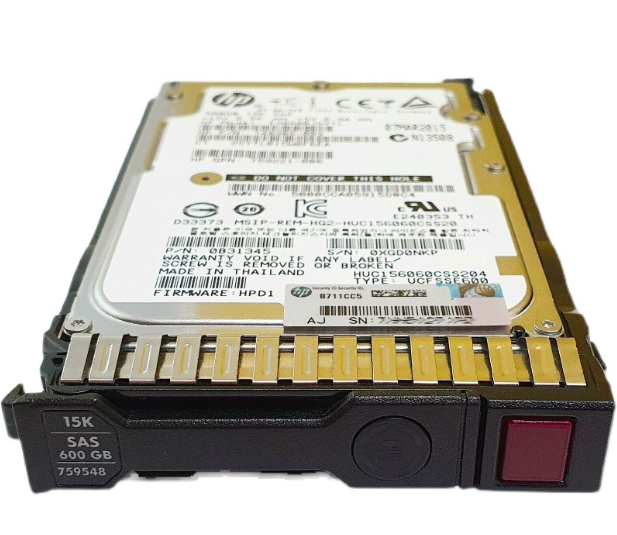
Enterprise servers require robust and reliable storage solutions to handle massive amounts of data efficiently. A hard disk drive serves as the backbone of data storage infrastructure in modern enterprise environments, providing the capacity and durability needed for mission-critical applications. Understanding how these storage devices enhance server performance helps organizations make informed decisions about their data storage strategies.
The evolution of enterprise storage technology has made hard disk drive solutions increasingly sophisticated, offering features that specifically address the demands of server environments. These drives incorporate advanced technologies such as error correction, thermal management, and enhanced reliability protocols to ensure consistent performance under heavy workloads. Modern enterprise-grade storage devices are engineered to operate continuously in demanding conditions while maintaining data integrity.
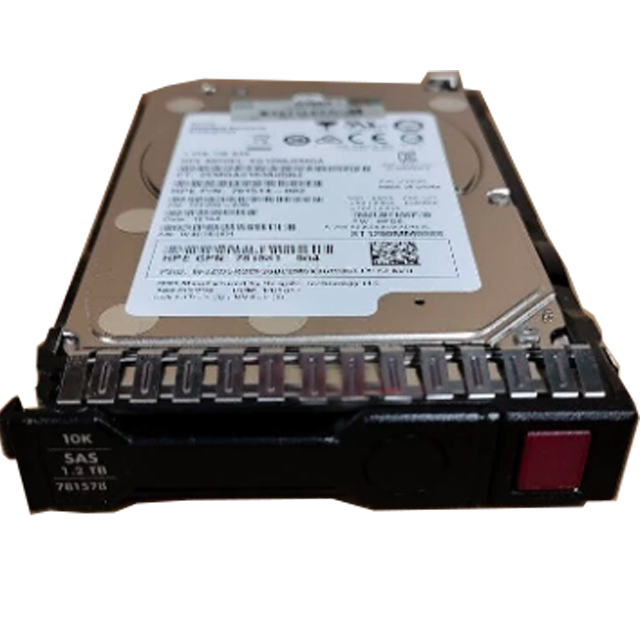
Enterprise-Grade Storage Architecture
Advanced Interface Technologies
Enterprise servers benefit from hard disk drive implementations that utilize high-speed interface technologies such as SAS (Serial Attached SCSI) and SATA connections. These interfaces provide superior data transfer rates and enhanced reliability compared to consumer-grade alternatives. SAS interfaces, in particular, offer dual-port connectivity that enables redundant paths for data access, significantly improving system availability and fault tolerance.
The 12Gb/s SAS interface represents a significant advancement in enterprise storage connectivity, delivering twice the bandwidth of previous generations. This increased throughput allows servers to process data more efficiently, reducing bottlenecks and improving overall system performance. The enhanced speed capabilities enable organizations to handle larger datasets and more concurrent users without compromising response times.
Form Factor Optimization
Small Form Factor (SFF) hard disk drive configurations have become increasingly popular in enterprise environments due to their space efficiency and improved airflow characteristics. The 2.5-inch form factor allows data centers to maximize storage density within limited rack space while maintaining optimal cooling performance. This compact design enables higher drive counts per server, increasing total storage capacity without expanding the physical footprint.
The reduced size of SFF drives also contributes to lower power consumption per terabyte of storage, helping organizations reduce operational costs and environmental impact. These drives generate less heat than their larger counterparts, which reduces cooling requirements and improves overall system reliability. The combination of higher density and lower power consumption makes SFF drives ideal for modern data center architectures.
Performance Characteristics and Specifications
Rotational Speed and Throughput
Enterprise hard disk drive performance is significantly influenced by rotational speed, with 7200 RPM drives offering an optimal balance between performance and power efficiency. This rotational speed provides sufficient throughput for most enterprise applications while maintaining reasonable power consumption levels. The consistent rotational speed ensures predictable performance characteristics that system administrators can rely on for capacity planning and performance optimization.
The relationship between rotational speed and data access times directly impacts server response times and application performance. Higher rotational speeds reduce latency for random access operations, which is particularly important for database applications and virtualized environments. Hard disk drive specifications that balance speed with reliability ensure optimal performance for enterprise workloads.
Capacity Scaling and Storage Efficiency
Modern enterprise environments require substantial storage capacity to accommodate growing data volumes and application requirements. Two-terabyte hard disk drive configurations provide an excellent balance between capacity and cost-effectiveness for many enterprise applications. This capacity level supports extensive database operations, virtualization platforms, and content management systems without requiring excessive numbers of drives.
The efficiency of high-capacity drives extends beyond raw storage space to include factors such as power consumption per terabyte and management overhead. Fewer drives with higher individual capacities reduce the complexity of storage array management and lower the total cost of ownership. This approach also improves system reliability by reducing the number of potential failure points within the storage infrastructure.
Reliability and Data Protection Features
Error Correction and Data Integrity
Enterprise-grade hard disk drive systems incorporate sophisticated error correction mechanisms that ensure data integrity under all operating conditions. These drives feature enhanced error correction codes (ECC) that can detect and correct multiple bit errors automatically, preventing data corruption that could compromise business operations. The advanced error handling capabilities provide an additional layer of protection beyond traditional RAID configurations.
Digitally signed firmware represents another crucial aspect of data protection in enterprise storage systems. This technology ensures that only authorized firmware updates can be applied to the hard disk drive, preventing malicious modifications that could compromise system security or data integrity. The digital signature verification process provides enterprises with confidence that their storage infrastructure remains secure and operates according to manufacturer specifications.
Thermal Management and Environmental Resilience
Enterprise servers operate in demanding thermal environments that require hard disk drive designs capable of withstanding elevated temperatures and varying conditions. Advanced thermal management features include temperature sensors and adaptive performance algorithms that adjust drive operation based on environmental conditions. These capabilities ensure consistent performance and longevity even under challenging operational circumstances.
The robust construction of enterprise drives includes enhanced shock and vibration resistance that protects against the physical stresses common in data center environments. Multi-axis shock sensors and advanced head parking mechanisms prevent damage from sudden movements or vibrations that might occur during maintenance activities or equipment transportation. This resilience contributes significantly to the overall reliability and service life of the storage system.
Integration with Enterprise Server Platforms
Compatibility and Standardization
Enterprise hard disk drive solutions are designed to integrate seamlessly with major server platforms and storage management systems. Standardized interfaces and form factors ensure compatibility across different hardware vendors and generations of equipment. This standardization reduces deployment complexity and enables organizations to maintain consistent storage architectures across their infrastructure.
The plug-and-play nature of modern enterprise drives simplifies maintenance and expansion procedures. Hot-swap capabilities allow administrators to replace or add drives without shutting down the server, minimizing downtime and service interruptions. This feature is particularly valuable in mission-critical environments where continuous availability is essential for business operations.
Management and Monitoring Capabilities
Advanced hard disk drive implementations provide comprehensive monitoring and diagnostic capabilities that enable proactive maintenance and performance optimization. SMART (Self-Monitoring, Analysis, and Reporting Technology) features continuously monitor drive health parameters and provide early warning of potential issues. This predictive maintenance capability helps prevent unexpected failures and allows for planned replacement during scheduled maintenance windows.
Integration with enterprise management platforms enables centralized monitoring and control of storage resources across the entire infrastructure. These systems can track performance metrics, capacity utilization, and health status for all drives in the environment. The consolidated view simplifies administration and helps identify optimization opportunities or potential capacity constraints before they impact operations.
Cost-Effectiveness and Total Ownership Value
Economic Advantages of Enterprise Storage
The economic benefits of implementing enterprise-grade hard disk drive solutions extend beyond the initial purchase price to include factors such as reliability, performance, and management efficiency. While enterprise drives typically cost more than consumer alternatives, their enhanced reliability and longer service life result in lower total cost of ownership over the operational lifetime. The reduced failure rates and improved performance characteristics justify the additional investment.
Warranty coverage and support services provided with enterprise drives offer additional economic advantages by reducing the risk and cost of unexpected failures. Extended warranty periods and rapid replacement programs minimize downtime and associated business impact. The peace of mind provided by comprehensive support coverage allows organizations to focus on their core business activities rather than storage infrastructure concerns.
Scalability and Future-Proofing
Enterprise hard disk drive architectures are designed to accommodate future growth and evolving requirements without requiring complete infrastructure overhauls. The modular nature of modern storage systems allows organizations to add capacity incrementally as needed, avoiding large upfront investments and reducing financial risk. This scalability ensures that storage infrastructure can grow alongside business requirements.
The longevity of enterprise drive designs provides protection against obsolescence and ensures that investments remain viable for extended periods. Backward compatibility with existing systems and forward compatibility with emerging technologies help organizations maximize the value of their storage investments. This future-proofing capability reduces the frequency of major infrastructure upgrades and associated costs.
FAQ
What makes enterprise hard disk drives different from consumer drives
Enterprise hard disk drive models are specifically engineered for continuous operation in demanding environments, featuring enhanced reliability components, advanced error correction, and robust construction. They undergo more rigorous testing and quality assurance processes, include enterprise-grade firmware with additional security features, and typically offer longer warranty periods with comprehensive support services.
How does drive capacity affect server performance
Higher capacity drives can improve server performance by reducing the number of drives required for a given storage requirement, which simplifies management and reduces potential failure points. However, the relationship between capacity and performance depends on the specific workload characteristics, with some applications benefiting from distributed storage across multiple smaller drives while others perform better with fewer high-capacity drives.
What interface type provides the best performance for enterprise servers
SAS interfaces generally provide superior performance for enterprise applications due to their higher bandwidth, dual-port connectivity, and enhanced reliability features. The 12Gb/s SAS interface offers excellent throughput and includes advanced features such as command queuing and error recovery that optimize performance under heavy workloads typical in enterprise environments.
How important is thermal management for enterprise storage
Thermal management is crucial for enterprise storage reliability and performance, as excessive heat can lead to premature failures and reduced drive lifespan. Enterprise drives include advanced thermal monitoring and adaptive performance features that maintain optimal operating conditions. Proper data center cooling and drive selection based on thermal characteristics are essential for maintaining reliable storage operations.