
 EN
EN



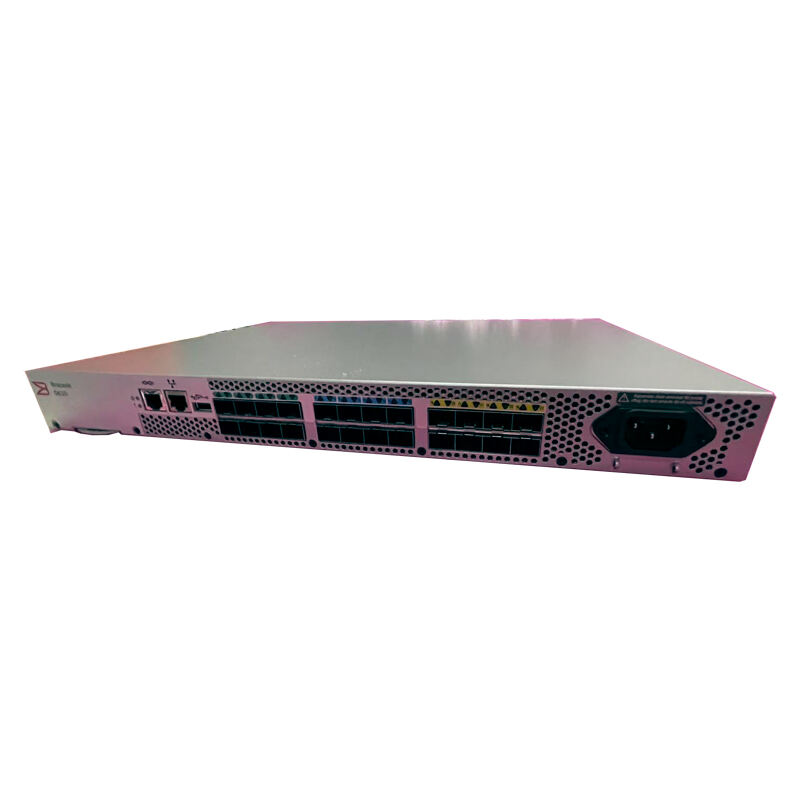
Network infrastructure procurement at enterprise scale requires careful evaluation of performance metrics to ensure optimal functionality and return on investment. When organizations deploy hundreds or thousands of network devices, understanding which performance indicators truly impact operational efficiency becomes paramount. The decision-making process must balance technical specifications, scalability requirements, and long-term operational costs. Modern data centers and enterprise networks demand robust switch infrastructure that can handle increasing bandwidth requirements while maintaining reliability and security standards.
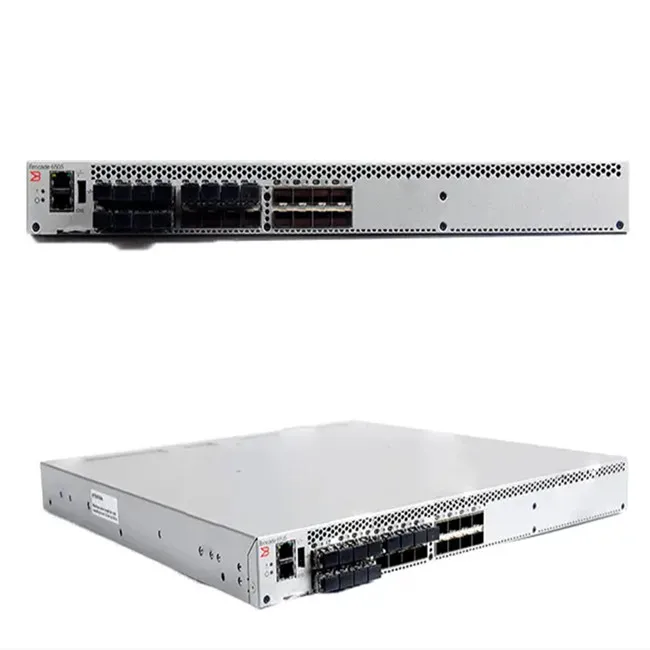
Core Performance Specifications for Enterprise Switch Deployment
Bandwidth and Throughput Capabilities
Bandwidth capacity represents the fundamental metric determining how much data a switch can process simultaneously. Enterprise-grade network infrastructure requires switches capable of handling peak traffic loads without creating bottlenecks. Throughput measurements typically include both switching fabric capacity and port-to-port forwarding rates. When procuring at scale, organizations must consider aggregate bandwidth requirements across all connected devices and applications. A high-performance switch should deliver wire-speed forwarding across all ports simultaneously, ensuring consistent data flow even during peak utilization periods.
Port density and configuration flexibility also impact overall network performance. Modern switch architectures support various port speeds and media types within the same chassis, allowing organizations to optimize connectivity based on specific device requirements. The ability to configure ports dynamically between different speeds ensures maximum utilization of available bandwidth resources. Additionally, buffer sizes and queuing mechanisms significantly affect how switches handle traffic bursts and maintain quality of service across diverse applications.
Latency and Packet Processing Efficiency
Latency measurements directly impact application performance, particularly for real-time communications and high-frequency trading environments. Store-and-forward versus cut-through switching modes offer different latency profiles depending on network requirements. Enterprise switch procurement decisions must consider both forwarding latency and processing delays introduced by advanced features such as deep packet inspection or quality of service policies. Low-latency switch designs minimize packet processing time while maintaining security and management capabilities.
Packet loss rates under various load conditions provide insight into switch reliability and buffer management effectiveness. Quality switch implementations maintain consistent performance even when operating at maximum capacity. Jitter measurements become particularly important for voice and video applications, where consistent packet timing ensures optimal user experience. Organizations deploying unified communications platforms require switches with sophisticated traffic shaping and prioritization capabilities to maintain service quality across diverse application types.
Scalability and Management Metrics
Port Density and Expansion Capabilities
Scalability considerations extend beyond initial port requirements to accommodate future growth and technology evolution. Modular switch architectures provide flexibility to add capacity without replacing entire systems, reducing long-term capital expenditure. Stacking capabilities enable multiple physical switches to operate as a single logical unit, simplifying management while increasing port density. When procuring switches for large deployments, evaluating upgrade paths and backward compatibility ensures infrastructure investments remain viable as requirements change.
Virtual switch technologies and software-defined networking features enhance scalability by decoupling physical hardware limitations from logical network configurations. Advanced switch platforms support network virtualization protocols that enable dynamic resource allocation and multi-tenant environments. Cloud integration capabilities allow centralized management of distributed switch deployments, reducing operational complexity while maintaining security and performance standards. Organizations planning major infrastructure upgrades should prioritize switch platforms that support industry-standard management protocols and integration with existing network management systems.
Management Interface and Automation Support
Modern network management requires sophisticated automation capabilities to handle large-scale switch deployments efficiently. Command-line interfaces, web-based management consoles, and programmatic APIs enable different levels of administrative access and automation integration. Network orchestration platforms rely on standardized management interfaces to configure and monitor switch infrastructure across distributed locations. Centralized policy management reduces configuration errors and ensures consistent security implementations across all network devices.
Telemetry and monitoring capabilities provide real-time visibility into switch performance and utilization patterns. Advanced switch platforms support streaming telemetry protocols that deliver granular performance data to network analytics platforms. Historical data collection and analysis enable capacity planning and proactive maintenance scheduling. Organizations with complex network environments benefit from switches that integrate seamlessly with existing monitoring tools and provide comprehensive visibility into traffic patterns, error rates, and security events.
Power Efficiency and Environmental Considerations
Energy Consumption and Cooling Requirements
Power consumption directly impacts operational costs, particularly in large data center environments where hundreds of switches operate continuously. Energy-efficient switch designs reduce electricity costs while minimizing cooling requirements and environmental impact. Power over Ethernet capabilities affect overall energy budgets when supporting connected devices such as wireless access points and IP phones. Modern switch architectures implement intelligent power management features that adjust consumption based on port utilization and traffic patterns.
Thermal design and cooling requirements influence data center infrastructure planning and operational costs. High-density switch deployments generate significant heat that must be managed through appropriate cooling systems. Efficient airflow designs and variable-speed fans help optimize cooling while reducing noise levels in office environments. Organizations planning major switch deployments should evaluate power density requirements and ensure adequate electrical and cooling infrastructure to support peak operational loads.
Environmental Compliance and Reliability Standards
Environmental certifications and compliance standards ensure switch reliability across diverse operating conditions. Temperature and humidity tolerance specifications determine suitable deployment environments and required environmental controls. Shock and vibration resistance become important factors for switches deployed in industrial or mobile applications. Mean time between failures and warranty coverage provide insight into expected operational reliability and support costs over the device lifecycle.
Redundancy features and failover capabilities minimize downtime risks in mission-critical environments. Dual power supply options, hot-swappable components, and link aggregation protocols provide multiple levels of fault tolerance. Network resiliency depends on switch reliability and the ability to maintain connectivity during hardware failures or maintenance activities. Organizations with strict uptime requirements should prioritize switch platforms with comprehensive redundancy features and proven reliability records in similar deployment scenarios.
Security and Compliance Features
Access Control and Authentication Mechanisms
Network security requirements drive the selection of switch platforms with robust access control and authentication capabilities. IEEE 802.1X port-based authentication ensures only authorized devices can access network resources. Role-based access control systems enable granular permission management for administrative functions and network access policies. Multi-factor authentication support strengthens security for management interfaces and reduces risks associated with credential compromise.
Network segmentation capabilities allow organizations to isolate sensitive traffic and implement zero-trust security models. Virtual LAN technologies and dynamic VLAN assignment based on user or device identity provide flexible security boundaries. Micro-segmentation features enable fine-grained traffic control between individual devices or applications. Advanced switch security implementations support integration with identity management systems and security orchestration platforms for centralized policy enforcement.
Traffic Monitoring and Threat Detection
Integrated security monitoring capabilities enable real-time threat detection and response without additional hardware investments. Deep packet inspection features identify suspicious traffic patterns and potential security threats. Network behavior analysis helps detect anomalous activities that might indicate compromised devices or insider threats. Switch-based security monitoring provides visibility into east-west traffic that might bypass traditional perimeter security controls.
Compliance reporting and audit trail capabilities support regulatory requirements and internal security policies. Detailed logging of configuration changes, access attempts, and security events enables forensic analysis and compliance demonstrations. Automated compliance checking features help ensure switch configurations maintain required security standards over time. Organizations in regulated industries should prioritize switch platforms with comprehensive security logging and reporting capabilities that integrate with existing compliance management systems.
Cost Optimization and Total Ownership Metrics
Initial Capital Expenditure Analysis
Purchase price represents only one component of total switch ownership costs over the device lifecycle. Organizations must evaluate licensing fees for advanced features, support contracts, and upgrade costs when calculating initial investments. Volume pricing negotiations and standardization on specific switch platforms can significantly reduce per-unit costs for large deployments. Leasing options and refresh cycles affect cash flow and technology refresh strategies for growing organizations.
Feature licensing models vary significantly between switch vendors and can impact long-term costs as requirements evolve. Some platforms include all features in the base purchase price, while others require separate licenses for advanced capabilities. Software maintenance agreements ensure access to security updates and new feature releases throughout the switch lifecycle. Organizations should evaluate both current and anticipated future feature requirements when comparing licensing models and total cost structures.
Operational Expenses and Maintenance Costs
Ongoing operational costs include power consumption, cooling requirements, and administrative overhead for switch management and maintenance. Energy-efficient switch designs reduce electricity costs over the device lifetime, particularly important for large-scale deployments. Remote management capabilities reduce on-site maintenance requirements and associated travel costs for distributed organizations. Predictive maintenance features help optimize service schedules and reduce unexpected downtime costs.
Staff training requirements and operational complexity affect long-term support costs for switch infrastructure. Standardizing on common switch platforms reduces training overhead and simplifies troubleshooting procedures. Comprehensive documentation and vendor support resources minimize learning curves for new team members. Organizations should consider operational complexity and staff skill requirements when evaluating different switch platforms and management approaches for large-scale deployments.
FAQ
What bandwidth specifications should organizations prioritize when selecting switches for high-traffic environments
Organizations should focus on aggregate switching fabric capacity, per-port forwarding rates, and buffer sizes when evaluating bandwidth specifications. The switching fabric should support wire-speed forwarding across all ports simultaneously to prevent bottlenecks during peak usage. Buffer management capabilities become critical for handling traffic bursts and maintaining quality of service across diverse applications. Additionally, consider future bandwidth growth requirements and ensure the selected switch platform can accommodate increasing traffic demands without requiring complete replacement.
How do power consumption metrics impact total cost of ownership for large switch deployments
Power consumption directly affects operational expenses through electricity costs and cooling requirements, particularly significant in data center environments with hundreds of devices. Energy-efficient switch designs can reduce operational costs by 20-30% compared to older technologies over a typical 5-year lifecycle. Power over Ethernet capabilities also impact overall energy budgets when supporting connected devices. Organizations should calculate total power requirements including cooling overhead to accurately assess long-term operational costs.
What security features are essential for enterprise switch deployments in regulated industries
Regulated industries require switches with comprehensive access control, encryption capabilities, and detailed audit logging features. IEEE 802.1X authentication, role-based access control, and network segmentation capabilities provide fundamental security controls. Compliance reporting features, configuration change tracking, and security event logging support regulatory requirements and audit processes. Integration with existing security infrastructure and identity management systems ensures consistent policy enforcement across the network environment.
How should organizations evaluate switch management complexity for large-scale deployments
Management complexity evaluation should consider automation capabilities, centralized management options, and staff skill requirements. Modern switch platforms should support programmable interfaces, standardized management protocols, and integration with network orchestration tools. Evaluate the learning curve for administrative staff and availability of vendor training resources. Organizations benefit from switch platforms that provide both simple web-based interfaces for basic tasks and sophisticated automation capabilities for complex deployments.
Table of Contents
- Core Performance Specifications for Enterprise Switch Deployment
- Scalability and Management Metrics
- Power Efficiency and Environmental Considerations
- Security and Compliance Features
- Cost Optimization and Total Ownership Metrics
-
FAQ
- What bandwidth specifications should organizations prioritize when selecting switches for high-traffic environments
- How do power consumption metrics impact total cost of ownership for large switch deployments
- What security features are essential for enterprise switch deployments in regulated industries
- How should organizations evaluate switch management complexity for large-scale deployments