
 EN
EN



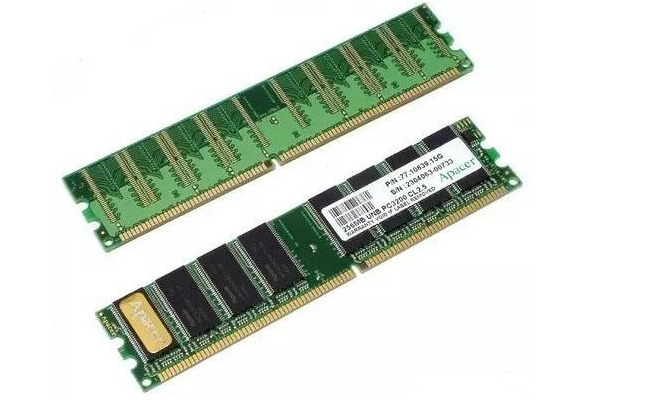
Modern data centers demand unprecedented levels of performance, efficiency, and scalability to handle today's computational workloads. As organizations migrate to cloud-native architectures and embrace artificial intelligence, machine learning, and real-time analytics, the memory subsystem has become a critical bottleneck in server performance. DDR5 memory represents a revolutionary leap forward in memory technology, delivering significantly higher bandwidth, improved power efficiency, and enhanced reliability compared to its predecessors. This next-generation memory standard is not merely an incremental upgrade but a fundamental transformation that addresses the evolving requirements of enterprise computing environments.
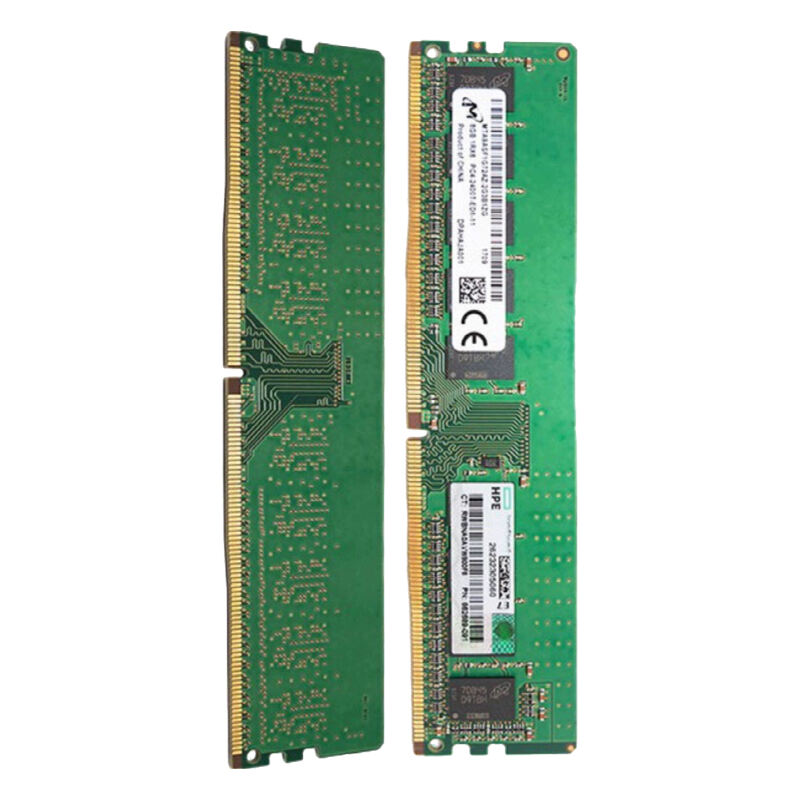
Performance Advantages of DDR5 Memory Architecture
Bandwidth and Speed Improvements
The transition to DDR5 memory brings substantial performance enhancements that directly impact server capabilities in modern data centers. With data rates starting at 4800 MT/s and scaling up to 8400 MT/s, DDR5 memory delivers nearly double the bandwidth of DDR4 technology. This increased bandwidth enables servers to process larger datasets more efficiently, reducing latency in memory-intensive applications such as database management, virtualization platforms, and high-performance computing workloads. The improved memory throughput allows processors to access data more rapidly, eliminating bottlenecks that previously constrained overall system performance.
Enterprise applications benefit significantly from the enhanced speed characteristics of DDR5 memory modules. Real-time analytics platforms can process streaming data with reduced delay, while virtualized environments can support higher consolidation ratios without compromising response times. The increased memory bandwidth also enables more efficient utilization of multi-core processors, allowing each core to access the data it requires without waiting for memory subsystem availability. This improvement is particularly crucial for modern server architectures that incorporate increasing numbers of processing cores to handle parallel workloads.
Latency Optimization Features
Beyond raw speed improvements, DDR5 memory incorporates advanced latency optimization mechanisms that enhance overall system responsiveness. The technology introduces improved prefetch architecture that anticipates data requirements and reduces the time required for memory access operations. These optimizations are particularly beneficial for applications with unpredictable memory access patterns, such as artificial intelligence workloads and complex database queries that require rapid retrieval of disparate data elements.
The enhanced memory controller design in DDR5 memory systems provides more sophisticated scheduling algorithms that prioritize critical memory operations and minimize conflicts between competing access requests. This intelligent memory management results in more consistent performance across diverse workloads and helps maintain stable response times even under heavy system utilization. Data center operators can achieve more predictable service level agreements when deploying servers equipped with DDR5 memory technology.
Power Efficiency and Environmental Benefits
Reduced Operating Voltage Requirements
DDR5 memory operates at a reduced voltage of 1.1V compared to the 1.2V requirement of DDR4 technology, resulting in significant power consumption reductions across server fleets. This voltage reduction translates to measurable energy savings in large-scale data center deployments where thousands of memory modules operate continuously. The lower power requirements of DDR5 memory contribute to reduced cooling demands, enabling data centers to achieve better power usage effectiveness ratios and lower operational costs.
The power efficiency improvements of DDR5 memory extend beyond simple voltage reductions to include advanced power management features that dynamically adjust consumption based on workload requirements. These intelligent power management capabilities allow memory modules to enter low-power states during periods of reduced activity while maintaining rapid wake-up times when performance demands increase. This dynamic power scaling helps data centers optimize energy consumption without compromising application performance or user experience.
Thermal Management Advantages
The improved power efficiency of DDR5 memory directly correlates to reduced heat generation within server systems, addressing one of the most significant challenges in modern data center design. Lower thermal output from memory subsystems reduces the cooling infrastructure requirements and enables higher-density server deployments without exceeding thermal limits. This thermal efficiency becomes increasingly important as data centers strive to maximize compute density while maintaining reliable operating conditions.
Advanced thermal monitoring capabilities integrated into DDR5 memory modules provide real-time temperature data that enables proactive thermal management strategies. These monitoring features allow system administrators to optimize cooling system operation and identify potential thermal issues before they impact system reliability. The enhanced thermal awareness capabilities of DDR5 memory contribute to improved system longevity and reduced maintenance requirements in enterprise environments.
Reliability and Error Correction Capabilities
Advanced Error Correction Code Implementation
DDR5 memory incorporates sophisticated error correction mechanisms that significantly enhance data integrity and system reliability in mission-critical applications. The technology features on-die error correction code capabilities that can detect and correct single-bit errors automatically, preventing data corruption that could compromise application accuracy or system stability. These advanced error correction features are essential for financial trading systems, scientific computing applications, and other environments where data accuracy is paramount.
The enhanced error detection capabilities of DDR5 memory extend beyond simple bit-level corrections to include comprehensive monitoring of memory cell health and performance characteristics. This proactive monitoring enables early identification of potential memory failures, allowing system administrators to schedule maintenance activities before critical errors occur. The improved reliability metrics associated with DDR5 memory technology help data centers achieve higher availability targets and reduce unplanned downtime incidents.
Built-in Self-Test Functions
Modern DDR5 memory modules incorporate comprehensive self-test capabilities that continuously monitor memory integrity and performance parameters during normal operation. These built-in diagnostic functions can identify subtle performance degradation or emerging reliability issues that might not trigger traditional error correction mechanisms. The continuous health monitoring provided by DDR5 memory enables predictive maintenance strategies that help prevent unexpected system failures and extend overall system lifespan.
The self-test functions integrated into DDR5 memory technology provide detailed performance metrics that assist in capacity planning and system optimization activities. Data center operators can leverage this diagnostic information to make informed decisions about memory upgrades, workload distribution, and system replacement cycles. The enhanced visibility into memory subsystem performance helps optimize total cost of ownership while maintaining high reliability standards.
Scalability and Future-Proofing Considerations
Higher Density Memory Configurations
DDR5 memory technology enables significantly higher memory densities within standard server form factors, allowing data centers to deploy systems with unprecedented memory capacity. Individual DDR5 memory modules can support capacities up to 128GB and beyond, enabling servers to accommodate memory-intensive applications without requiring additional physical infrastructure. This increased density capability is particularly valuable for virtualization platforms, in-memory databases, and artificial intelligence workloads that demand substantial memory resources.
The enhanced density characteristics of DDR5 memory modules reduce the total number of memory slots required to achieve specific capacity targets, simplifying system architecture and improving reliability. Fewer memory modules result in reduced complexity in memory controller design and lower potential failure points within the system. This architectural simplification contributes to improved system maintainability and reduced operational complexity in large-scale data center deployments.
Compatibility with Emerging Technologies
DDR5 memory architecture incorporates design elements that ensure compatibility with emerging processor technologies and system architectures currently under development. The enhanced memory interface specifications support next-generation processor interconnects and advanced system management features that will become standard in future server platforms. This forward compatibility helps protect data center investments and ensures that DDR5 memory deployments will remain relevant as computing technologies continue to evolve.
The standardized nature of DDR5 memory specifications ensures broad vendor support and competitive pricing as adoption rates increase across the industry. Multiple memory manufacturers produce compatible DDR5 memory modules that meet JEDEC standards, providing data center operators with supplier diversity and price competition. This vendor ecosystem maturity reduces procurement risks and ensures long-term availability of replacement components for deployed systems.
Implementation Strategies for Data Centers
Migration Planning Considerations
Successful deployment of DDR5 memory in existing data center environments requires careful planning to address compatibility requirements and minimize disruption to ongoing operations. Data center operators must evaluate processor and motherboard compatibility to ensure that DDR5 memory modules will function correctly within existing infrastructure. The migration to DDR5 memory typically requires coordinated upgrades of multiple system components, making strategic planning essential for successful implementation.
Phased deployment strategies allow data centers to gradually introduce DDR5 memory technology while maintaining operational continuity and managing capital expenditure requirements. Organizations can prioritize high-performance computing workloads and memory-intensive applications for initial DDR5 memory deployment, maximizing the return on investment while gaining operational experience with the technology. This measured approach helps identify optimization opportunities and refine deployment procedures before broader rollout initiatives.
Performance Optimization Techniques
Maximizing the performance benefits of DDR5 memory requires careful attention to system configuration and workload optimization strategies. Memory channel configuration, processor affinity settings, and application tuning parameters all influence the effectiveness of DDR5 memory deployments. System administrators must understand the specific performance characteristics of their applications to configure DDR5 memory systems for optimal efficiency and throughput.
Monitoring and performance analysis tools become increasingly important when deploying DDR5 memory technology, as the enhanced capabilities require more sophisticated measurement techniques to fully understand system behavior. Advanced performance monitoring enables identification of optimization opportunities and helps validate that DDR5 memory deployments are delivering expected performance improvements. Regular performance assessment ensures that systems continue to operate at peak efficiency as workloads and requirements evolve over time.
FAQ
What performance improvements can data centers expect from upgrading to DDR5 memory
Data centers can expect significant performance improvements from DDR5 memory upgrades, including bandwidth increases of up to 87% compared to DDR4 technology. Memory-intensive applications such as virtualization platforms, databases, and analytics workloads will experience reduced latency and improved throughput. The enhanced performance characteristics of DDR5 memory enable higher consolidation ratios in virtualized environments and support more demanding computational workloads without requiring additional server hardware.
How does DDR5 memory contribute to data center energy efficiency
DDR5 memory operates at 1.1V compared to 1.2V for DDR4 technology, resulting in approximately 20% reduction in memory subsystem power consumption. This voltage reduction, combined with advanced power management features, helps data centers achieve better power usage effectiveness ratios and reduces cooling infrastructure requirements. The lower thermal output from DDR5 memory modules enables higher-density server deployments while maintaining reliable operating temperatures and reducing overall facility energy consumption.
What reliability enhancements does DDR5 memory provide for mission-critical applications
DDR5 memory incorporates on-die error correction code capabilities that automatically detect and correct single-bit errors without impacting system performance. Advanced error detection mechanisms monitor memory cell health and provide early warning of potential failures, enabling proactive maintenance strategies. Built-in self-test functions continuously assess memory integrity and performance parameters, helping prevent unexpected system failures and extending overall system reliability in mission-critical environments.
How should organizations plan for DDR5 memory migration in existing data centers
Organizations should develop phased migration strategies that prioritize high-performance computing workloads and memory-intensive applications for initial DDR5 memory deployment. Compatibility assessment of existing processors and motherboards is essential to ensure successful implementation. A measured deployment approach allows organizations to gain operational experience with DDR5 memory technology while minimizing disruption to ongoing operations and managing capital expenditure requirements effectively.
Table of Contents
- Performance Advantages of DDR5 Memory Architecture
- Power Efficiency and Environmental Benefits
- Reliability and Error Correction Capabilities
- Scalability and Future-Proofing Considerations
- Implementation Strategies for Data Centers
-
FAQ
- What performance improvements can data centers expect from upgrading to DDR5 memory
- How does DDR5 memory contribute to data center energy efficiency
- What reliability enhancements does DDR5 memory provide for mission-critical applications
- How should organizations plan for DDR5 memory migration in existing data centers