
 EN
EN



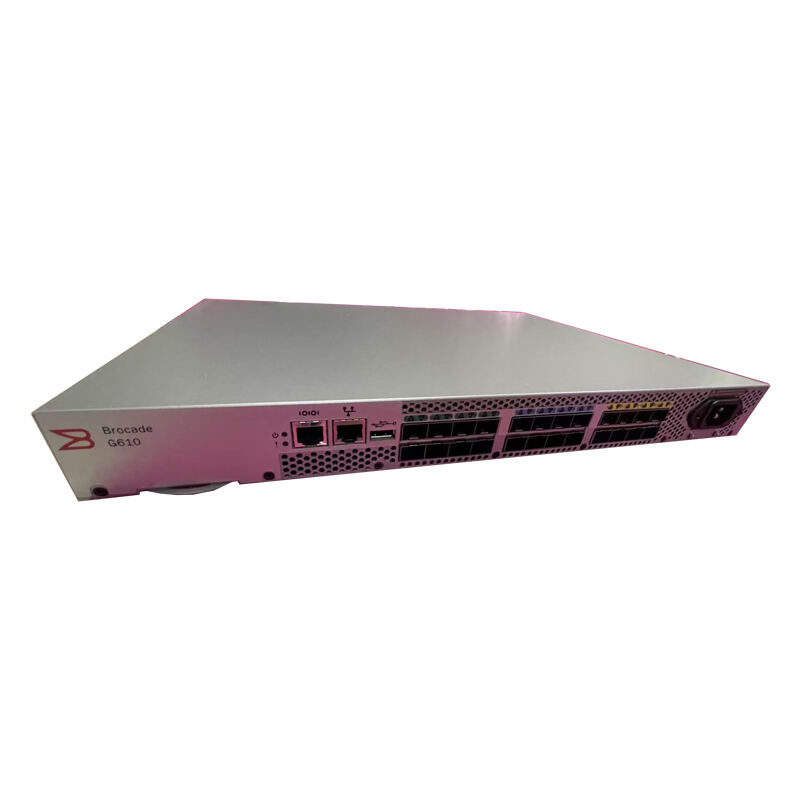
Network infrastructure design relies heavily on the strategic placement and specification of switching equipment across different network layers. Understanding how a switch is selected and deployed within access, aggregation, and core layers forms the foundation of robust enterprise networking. Each layer serves distinct purposes and requires specific switch configurations to optimize performance, scalability, and reliability. The specification process involves evaluating port density, throughput requirements, redundancy features, and management capabilities to ensure seamless data flow throughout the network hierarchy.
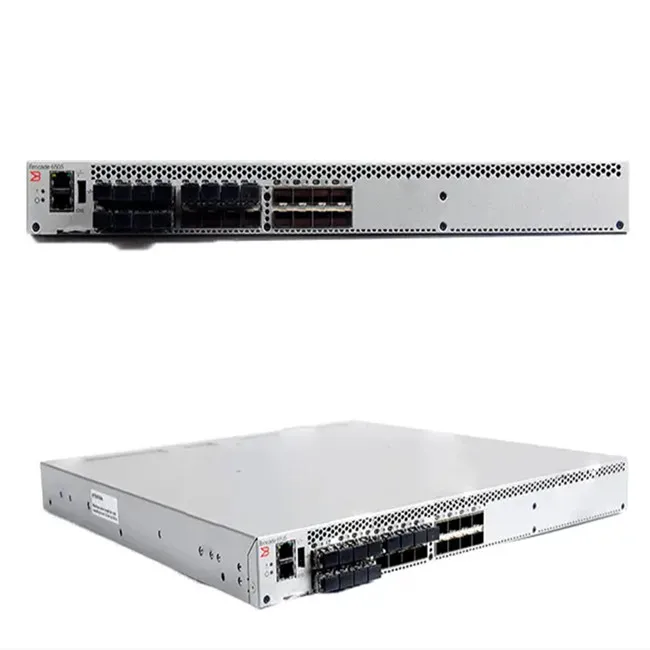
Access Layer Switch Specifications
Port Density and End User Connectivity
Access layer switch specifications prioritize high port density to accommodate numerous end devices including workstations, printers, IP phones, and wireless access points. A typical access layer switch features 24 to 48 Ethernet ports with Power over Ethernet capabilities to support connected devices without requiring separate power sources. The switch specifications must include sufficient PoE budget to power all connected devices while maintaining data transmission quality. Modern access layer switches incorporate intelligent port management features that automatically detect device types and apply appropriate VLAN assignments and quality of service policies.
Security and Access Control Features
Security-focused switch specifications at the access layer include 802.1X authentication, dynamic VLAN assignment, and port security features. These switches must support MAC address filtering, DHCP snooping, and ARP inspection to prevent unauthorized network access and malicious attacks. The switch configuration allows network administrators to implement granular access policies based on user credentials, device types, and time-based restrictions. Advanced access layer switches incorporate threat detection capabilities that monitor traffic patterns and automatically isolate suspicious devices to maintain network integrity.
Aggregation Layer Switch Requirements
Uplink Capacity and Traffic Consolidation
Aggregation layer switch specifications focus on high-speed uplink capabilities to handle consolidated traffic from multiple access layer switches. These switches typically feature multiple 10 Gigabit Ethernet ports and fiber optic connectivity options to ensure sufficient bandwidth for data aggregation. The switch must support link aggregation protocols to combine multiple physical connections into logical high-capacity links, providing both increased throughput and redundancy. Load balancing algorithms within the switch distribute traffic across available uplinks to optimize network performance and prevent bottlenecks.
VLAN Management and Inter-VLAN Routing
Advanced VLAN management capabilities distinguish aggregation layer switches from their access layer counterparts. These switches must support hundreds of VLANs simultaneously while providing efficient inter-VLAN routing capabilities. The switch specifications include Layer 3 routing protocols such as OSPF and EIGRP to enable dynamic route learning and traffic optimization. Quality of service features ensure that critical applications receive priority treatment while maintaining acceptable performance levels for standard network traffic across different VLANs.
Core Layer Switch Architecture
High-Performance Switching Fabric
Core layer switch specifications emphasize maximum throughput and minimal latency to handle enterprise-wide traffic efficiently. These switches feature high-density 40 Gigabit and 100 Gigabit Ethernet ports with advanced switching fabrics capable of wire-speed forwarding across all ports simultaneously. The switch architecture incorporates non-blocking designs that eliminate oversubscription and ensure consistent performance regardless of traffic patterns. Specialized ASICs and forwarding engines enable microsecond-level packet processing to meet the demands of real-time applications and high-frequency trading systems.
Redundancy and Fault Tolerance
Mission-critical core layer switch specifications mandate comprehensive redundancy features including dual power supplies, hot-swappable components, and redundant control planes. These switches support advanced failover mechanisms that detect component failures and automatically redirect traffic through alternate paths without service interruption. The switch design incorporates stateful failover capabilities that maintain connection states and routing information during hardware failures. Environmental monitoring systems within the switch provide real-time alerts for temperature, power consumption, and fan status to enable proactive maintenance and prevent unexpected outages.
Performance Considerations Across Network Layers
Bandwidth Allocation and Traffic Engineering
Effective switch specification requires careful analysis of bandwidth requirements at each network layer to prevent oversubscription and performance degradation. Access layer switches typically operate with 20:1 to 40:1 oversubscription ratios, while aggregation and core switches maintain lower ratios to handle peak traffic loads. Traffic engineering principles guide the selection of switch models with appropriate buffer sizes and congestion management features. Modern switches incorporate adaptive traffic shaping algorithms that dynamically adjust bandwidth allocation based on real-time network conditions and application priorities.
Latency Optimization and Jitter Control
Low-latency switch specifications become increasingly important in applications requiring real-time data processing and high-frequency communications. Core and aggregation layer switches must minimize store-and-forward delays through cut-through switching capabilities and optimized packet processing pipelines. The switch design incorporates hardware-based quality of service mechanisms that prioritize time-sensitive traffic while maintaining fair access for other applications. Advanced buffer management techniques prevent packet drops during traffic bursts while maintaining consistent latency characteristics across different traffic classes.
Scalability and Future-Proofing
Modular Design and Expansion Capabilities
Enterprise switch specifications must accommodate future growth through modular designs and expansion capabilities. Chassis-based switches at the core and aggregation layers support additional line cards and interface modules to increase port density and connectivity options. The switch architecture allows for seamless integration of new technologies such as higher-speed interfaces and advanced security features through software updates and hardware modules. Proper capacity planning ensures that switch specifications include sufficient power, cooling, and processing resources to support maximum configuration scenarios.
Software-Defined Networking Integration
Modern switch specifications incorporate software-defined networking capabilities that enable centralized management and programmable network behavior. These switches support OpenFlow protocols and network virtualization features that allow dynamic policy implementation and traffic flow control. The switch operating system provides robust APIs and automation tools that integrate with orchestration platforms and network management systems. Cloud-ready switch specifications include support for hybrid networking models that seamlessly connect on-premises infrastructure with public cloud services through secure tunneling and encryption protocols.
Management and Monitoring Capabilities
Network Visibility and Analytics
Comprehensive switch specifications include advanced monitoring capabilities that provide detailed insights into network performance and utilization patterns. These switches support flow-based monitoring protocols such as sFlow and NetFlow that capture traffic statistics for analysis and troubleshooting. Real-time dashboard capabilities enable network administrators to visualize switch performance metrics including port utilization, error rates, and queue depths. Machine learning algorithms within modern switches identify anomalous traffic patterns and provide predictive maintenance recommendations to prevent network issues before they impact operations.
Configuration Management and Automation
Enterprise-grade switch specifications emphasize streamlined configuration management through template-based deployment and zero-touch provisioning capabilities. These switches support configuration synchronization across multiple devices to ensure consistent policy implementation and reduce administrative overhead. Automated backup and restore functions protect against configuration loss while version control features track changes and enable rapid rollback procedures. Integration with configuration management tools and infrastructure-as-code platforms enables network teams to deploy and maintain switch configurations through standardized automation workflows.
FAQ
What factors determine switch port requirements for each network layer
Switch port requirements depend on the number of connected devices, expected traffic volumes, and future growth projections. Access layer switches need high port density to connect end devices, while aggregation switches require fewer high-speed ports for uplinks. Core switches focus on maximum throughput ports rather than port quantity. Consider device types, bandwidth requirements, and redundancy needs when specifying port configurations for each layer.
How do switch buffer sizes impact network performance
Switch buffer sizes directly affect the ability to handle traffic bursts and prevent packet loss during congestion events. Larger buffers accommodate more packets during temporary overload conditions but may increase latency in steady-state operations. Access switches typically require smaller buffers due to predictable traffic patterns, while core switches need larger buffers to handle bursty aggregated traffic from multiple sources.
What redundancy features are essential for each network layer
Redundancy requirements increase with network layer criticality. Access switches may require basic link redundancy, while aggregation switches need dual uplinks and power supply redundancy. Core switches demand comprehensive redundancy including dual control planes, hot-swappable components, and multiple path diversity. The level of redundancy should align with business continuity requirements and acceptable downtime tolerances.
How do switch specifications accommodate different traffic types
Modern switch specifications include quality of service features that classify and prioritize different traffic types based on application requirements. Voice and video traffic receive priority queuing and bandwidth guarantees, while data traffic uses available capacity. Advanced switches support traffic shaping, policing, and marking capabilities that ensure optimal performance for critical applications while maintaining fair access for all network users.